'Our theatre is in rude health - and it's for the community'

 BBC
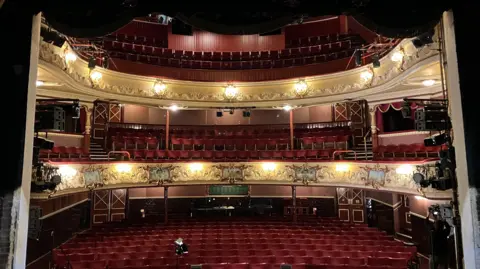
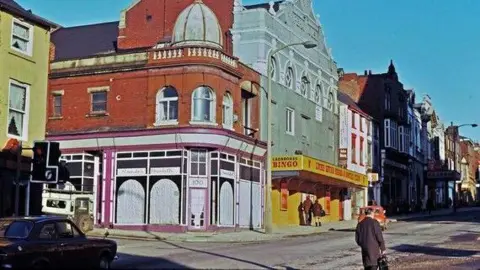
BBCNot every Victorian theatre has had the good fortune of Theatre Royal Wakefield. Many of its ilk became bingo halls, leading to decline, closure and eventual demolition. The elegant building on the corner of Drury Lane is a very welcome exception.
Built in 1894, it was at first an opera house, but by the 1920s the lure of cinema meant the live shows were replaced by films. It became a picture house in 1954 before what could have been an ill-fated spell as a bingo destination.
Salvation came in 1986, when it reopened as a theatre and attracted support from all corners of the city.
The venue's "second act" has been a success and it has become a focal point for the community as it celebrates its 40th birthday.
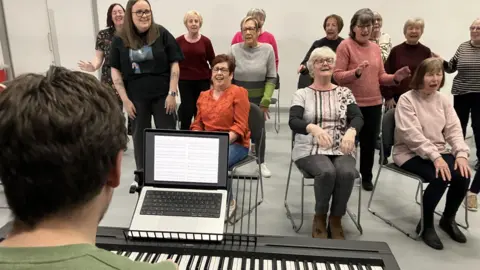
Before you enter the grand auditorium, the sound of 'Wouldn't It Be Loverly' from the musical My Fair Lady comes drifting down the corridor.
This is the Stepping Out group, over-55s who meet to sing, smile and move every Monday. They're not the only community group who call this place home.
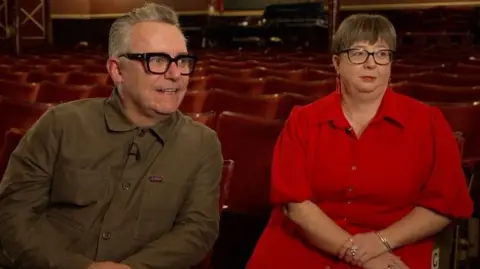
"We're in rude health," says Sarah Shooter, director of patron experience for the theatre.
"It's understanding what your community is, understanding what they want, but also challenging them.
"We bring things to Wakefield you might not expect and take people outside their comfort zone, as well as the tried and tested things they enjoy."
 Theatre Royal Wakefield
Gold leaf is everywhere inside the 500-capacity auditorium, accompanied by colourful frescos and plush red seats.
The building's fortunes have risen and fallen with the curtain. By the 1950s the actors had left the stage.
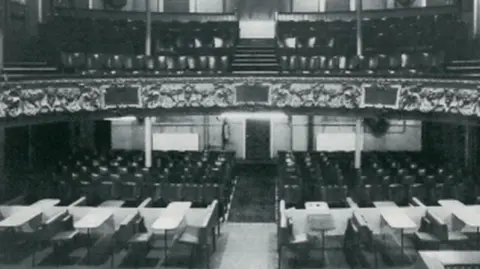
Its period as a Lucky 7 bingo hall saw a mezzanine floor constructed above the stage, but remarkably the ornate interior wasn't touched. Doubtless this encouraged the preservation effort.
"Eyes down" was called for the last time in the early 1980s and the building lay empty. Reviving it cost £750,000, with those involved admitting they begged, borrowed and scrounged everything needed for the show to go on.
 Theatre Royal Wakefield
Darren Johnson, a performer and patron of the theatre, remembers: "When the theatre first reopened I was a teenager. I joined Gallery 20 youth theatre.
"As the years went on I got my Equity card here, I got my agent here from being in the pantomime. When you are stood on that stage you can see everyone," he says.
"You get good feedback from the audience and you must remember to play to the gods!"
The 40th anniversary of the reopening is being marked with a gala performance.
"Everyone performing has a connection to the theatre," says Sarah.
"They either started their training with us, or performed as a professional and they are giving their time freely to celebrate what a wonderful space this is."
The next 40 years will require more hard work, she explains.
"We've got to look after it and preserve it for future generations, but also make it really relevant," she says.
"We need to bring people in and get them to understand the magic of the theatre."
In Theatre Royal's case, that magic beings with the intimate and resplendent auditorium itself.
To borrow a word from Eliza Doolittle; "lovely".
Listen to highlights from West Yorkshire on BBC Sounds, catch up with the latest episode of Look North.
