Drivers have lost respect for learners, tutor says

 BBC
BBCMotorists have "lost respect" for learner drivers, according to an instructor.
Mike Nunn, 53, teaches in Lincoln and said incidents of frustration, anger and "road rage" towards learners had become a regular occurrence, alongside a drop in driving standards.
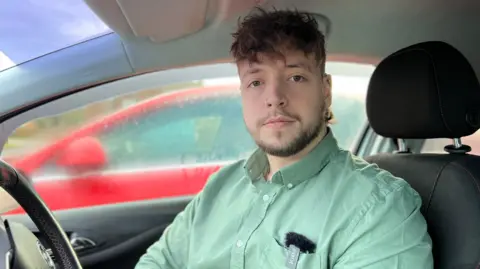
Louis Clayton, 27, from Scampton, near Lincoln, who recently passed his driving test, said the behaviour of other motorists had given him "the jitters" while he was learning.
A spokesperson for Lincolnshire Road Safety Partnership urged motorists to "look honestly" at their driving. It recorded 329 collisions resulting in serious injuries and 34 fatal incidents in 2025.
Nunn said people driving too closely, inappropriate overtaking and frustration towards his students had become common.
"It can make them take actions which wouldn't normally be safe because they're feeling pressured into acting," he explained.
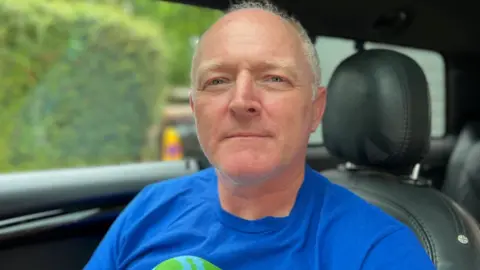
On one occasion, while teaching a learner, a vehicle on the opposite side of the road collided with his car while conducting a dangerous overtaking maneouvre.
"They drove off," Nunn said. "It was a hit and run.
"If that doesn't show a drop in standards, I don't know what does."
He suggested drivers should be retested to ensure they met standards, adding: "We need to get back to the idea that driving is a privilege, not a right."
Clayton began lessons a decade ago, before taking a break. He passed his test on his first attempt earlier this month.
He said over the course of 10 years, he noticed a shift in other drivers' attitudes towards him.
Clayton experienced "a lot of tailgating" and on one occasion a driver behind him lost his temper and began beeping and shouting while he was practising a hill start.
"I've found that people got a little more impatient," he added.
"If you have a bad enough experience, it can really strike some fear into you."
The number of collisions resulting in serious injuries on Lincolnshire's roads increased from 310 in 2024 to 329 last year, according to figures from the road safety partnership. The number of deaths fell from 51 to 37.
Simon Outen-Coe, from the partnership, called on drivers to "avoid distractions, be patient and concentrate".
"We've got to start looking honestly at ourselves as individuals who use the roads and about the personal responsibility that we all have in how we behave," he said.
"There seems to have been over a past number of years a growing feeling that somebody is always to blame and it's not us."
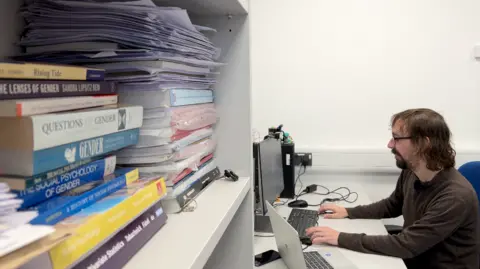
Dr Nathan Heflick, 41, a senior lecturer in the school of psychology at the University of Lincoln, said it could be difficult for drivers to take the blame.
He said studies showed people often "automatically" applied blame to others when they made a mistake.
But if that person made the same mistake themselves, they would be quick to shift the blame on to an external factor such as stress or the weather, in an attempt to "protect their self-esteem".
"It just sort of continues the cycle of feeling blameless," he said.
However, Malcolm Tarling, who has nearly 40 years' experience in the insurance industry and worked for Association of British Insurers, argued people should avoid their "natural instinct" to say sorry if they were involved in an accident.
"You can be calm and polite," he said. "But that is not the same as accepting that you were responsible.
"Don't be rushed into saying it's all my fault at the scene of an accident."
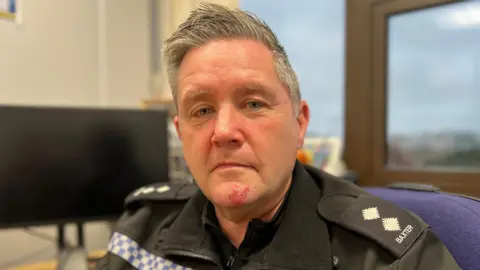
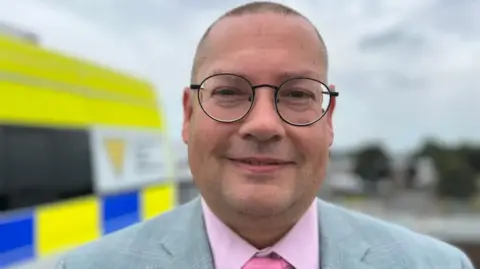
Insp Jason Baxter from Lincolnshire Police said it was crucial people kept calm on the roads, especially after a collision.
Although road rage was not a direct offence, it could become criminal, he explained.
"It could easily turn into a public offence or an assault," Baxter added.
He encouraged people who believed they had captured incidents of dangerous driving to upload the video to the police's Operation Snap website, which could result in a prosecution.
Listen to highlights from Hull and East YorkshireorLincolnshireon BBC Sounds, watch thelatest episode of Look Northor tell us about a story you think we should be covering here.
Download the BBC News app from the App Storefor iPhone and iPad orGoogle Play for Android devices
