How DNA analysis is helping eradicate mink

 Phil Burt
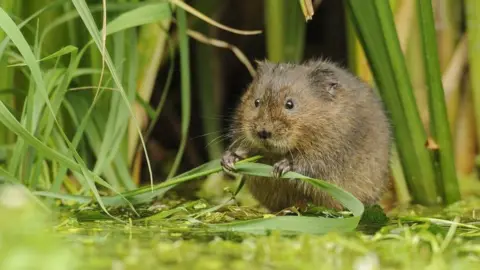
“Britain’s water voles used to be everywhere but numbers have plummeted by 97% since the 1970s – mink are eliminating them left, right and centre," said Bill Amos.
The University of Cambridge professor of evolutionary genetics is involved in a project that aims to eradicate mink from the UK's waterways.
Waterlife Recovery Trust has laid hundreds of traps across the East of England since 2020. Earlier this year, it announced it had cleared East Anglia of the invasive species.
A key tool is DNA analysis, which helps identify how far the animals have travelled and pinpoint their routes to help cut off re-entry to cleared areas.
 Stephen Mace
 Stephen Mace
“If you don't know how far mink are moving, you don't know the area you have to clear before you can be fairly sure they're not coming back by immigration, so that's where the genetics comes in big time," said Prof Amos.
“By analysing DNA samples taken from the caught mink, we can estimate the relatedness between them."
His team was astonished to find that almost all family members were caught within about 15km (about nine miles) of each other.
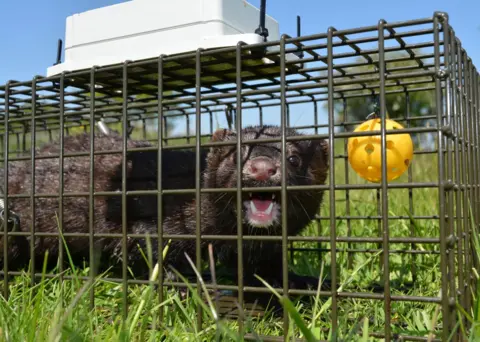
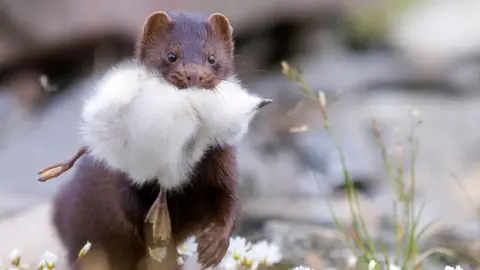
American mink began to spread through the UK after they escaped or were released from mink farms, which became illegal in 2000.
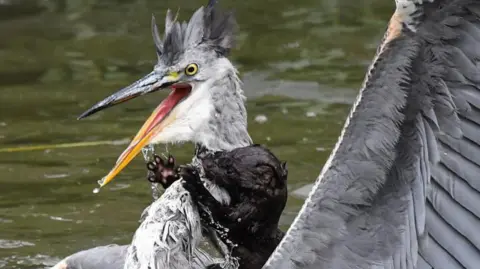
They have no natural predators and are "powerful animals for their size – they’ll even go for birds as big as herons", according to Prof Amos.
They will also eat fish and seabirds, but the most susceptible species include kingfishers and water voles.
 Bill Amos
 Terry Whittaker 2020Vision
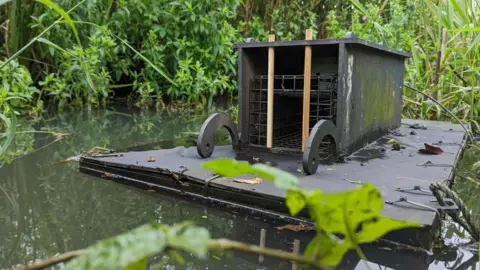
Volunteers from Waterlife Recovery Trust bait floating smart traps with an extract from mink anal glands to lure in the mink.
As soon as a mink gets in, an alert is sent to one of the volunteers and the animal is humanely killed.
For the last two years there has been no evidence of mink reproduction in the "core area" of East Anglia.
Prof Amos said: “What’s spectacular about these results is that as well as the core area, we also have a 70km-wide [about 45 miles] buffer zone around it where we’ve been doing intense mink trapping, and this year the buffer zone was almost clear, too."
As a consequence, water vole numbers are bouncing back.
Prof Tony Martin, the driving force behind Waterlife Recovery Trust, said: "The recovery of wildlife here in the eastern counties has been remarkable in the absence of their nemesis.
"This is that rare thing – an environmental good-news story."
Mink are now being cleared across a growing area of the UK and funding will enable the trapping zone to extend to England's southern coast and north to the Humber estuary.
 Terje Kolaas
Follow Cambridgeshire news on BBC Sounds, Facebook, Instagram and X.
