Chemists treat more patients with common ailments

 BBC
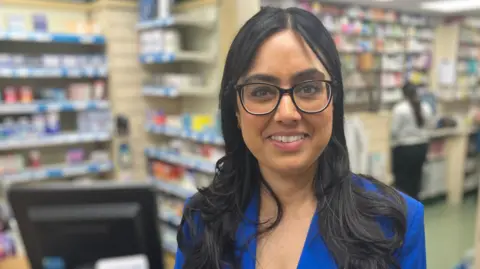
BBCPharmacists have a seen a marked increase in patients turning to them for treatment for seven of the most common health ailments.
The Pharmacy First scheme in England was launched in 2024, allowing pharmacists to diagnose and prescribe medication, including antibiotics, for conditions like a sore throat or an ear infection.
Last year more than 260,000 patients across the East Midlands turned to pharmacies for consultations under the scheme - a 61% uptake on the previous year.
Jasvinder Kaur Lali, superintendent pharmacist at Carlton Hill Pharmacy, Nottinghamshire, said she was convinced difficulties accessing GP appointments was a "big reason" why more patients were turning to them for help.
Patients can access the service by walking straight into a chemist. They can also be referred by NHS 111, urgent treatment centres, emergency departments or their GP. Those who are not registered with a GP can still access the service.
If one of the seven conditions is diagnosed, pharmacists can give medicines, including prescriptions, to patients rather than sending them back to their GP. Patients who need more specialist or follow-up care will be referred onwards.
What can pharmacists supply medicines for now?
- Earache (one to 17 years)
- Impetigo (one year and over)
- Infected insect bites (one year and over)
- Shingles (18 years and over)
- Sinusitis (12 years and over)
- Sore throat (five years and over)
- Uncomplicated urinary tract infections (women 16-64 years)
Lali said she would like to see more patients access the services chemist shops could offer, including Pharmacy First.
"We have seen more than 200 patients with sore throats since we started the Pharmacy First scheme. There have been 800 consultations since we began.
"We have to assess the throat to see if it is a bacterial infection or if it is a virus.
"We only prescribe antibiotics on the NHS where we think it is necessary. Antibiotics only work against bacterial infections, not viruses."
According to NHS Midlands, last year the top three ailments people turned to pharmacists for help and treatment were sore throats, urinary tract infections and insect bites.
Lali said sore throats, sinusitis and urinary tract infections were the main ailments treated at her chemist.
"There needs to be more awareness of what we can do," she added.
"We are capable of offering patients more to help manage a range of conditions."
She stressed that not everyone considers a pharmacy when looking for healthcare support.
 SUPPLIED
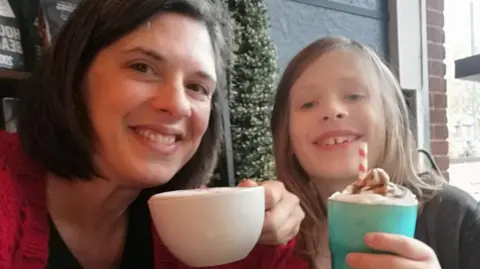
Alex used the service for her son, Max, nine, when she was directed to the Carlton Hill Pharmacy by her GP surgery after he developed a sore throat.
"At Christmas he started feeling unwell with cold symptoms and a bit of a temperature. I was quite worried, he is not normally ill," she said.
Alex had been considering taking him to the GP but did not realise until his illness that most pharmacies in England can now prescribe medication for a sore throat if they diagnose it as a bacterial rather than viral infection.
Max was diagnosed by the pharmacist as having a bacterial throat infection and given antibiotics.
Alex said her son recovered after a few days and returned to school.
She said she was impressed with the service as it "makes sense to help ease the pressure on stretched GP practices".
"I have been spreading the word about it. I have been telling everyone," Alex added.
 SUPPLIED
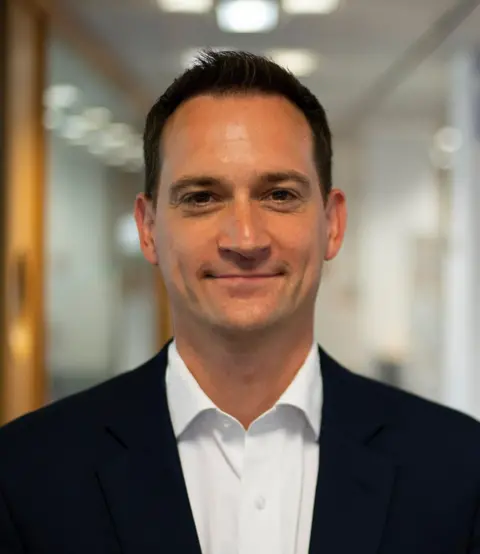
Jackie Buxton, pharmacy lead for NHS England in the Midlands, said the Pharmacy First programme had helped thousands of patients and could be very useful at weekends.
"On Saturdays and Sundays there can be less choice of other places to go and many pharmacies are still open. They can be very convenient," she said.
Henry Gregg, chief executive of the National Pharmacy Association, said: "Pharmacy First is unquestionably good for patients, who benefit from convenient care close to home and avoid long waits to see a GP.
"In this first two years of the Pharmacy First service, community pharmacy has clearly demonstrated its potential to take pressure off the rest of the health system."
Follow BBC Nottingham on Facebook, on X, or on Instagram. Send your story ideas to eastmidsnews@bbc.co.uk or via WhatsApp on 0808 100 2210.
