The eerie cities where nobody lives

 Kai Caemmerer
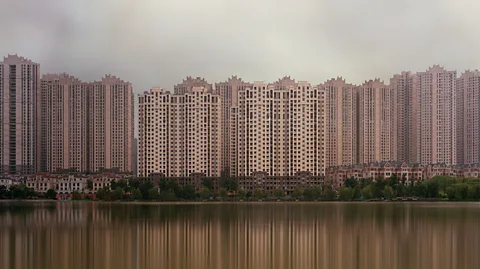
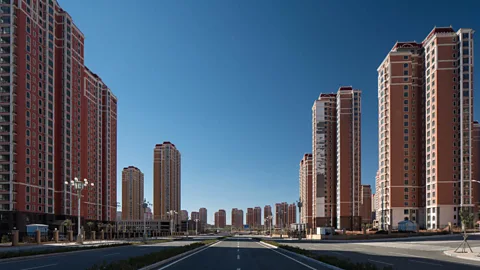
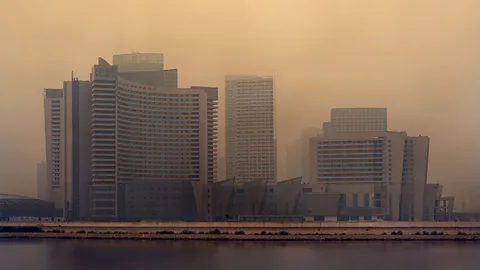
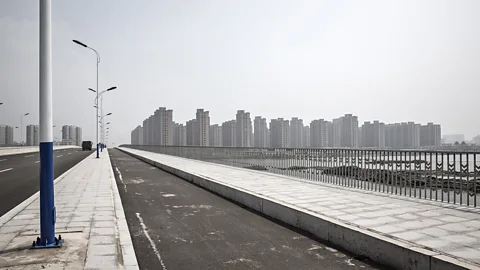
Vast cities in China's new industrial zones sit waiting for a workforce yet to arrive. Photographers like Raphael Olivier and Kai Caemmerer have documented them in haunting images.
 Raphael Olivier
In the last few decades, built-up areas in China have increased nearly fivefold – from 3,413 square miles (8,842 sq km) in 1984 to 16,126 square miles (41,768 sq km) in 2010. To construct these new urban zones, China used more concrete in the three years between 2011 and 2013 than the whole of the United States used in the 20th Century.
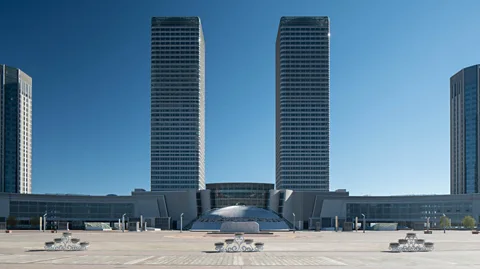
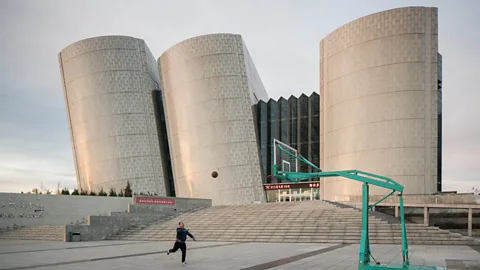
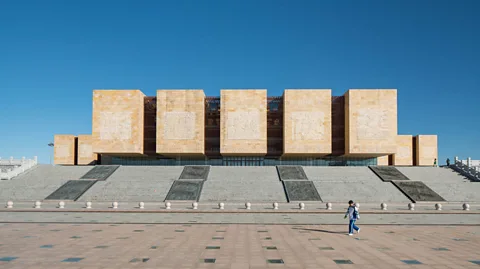
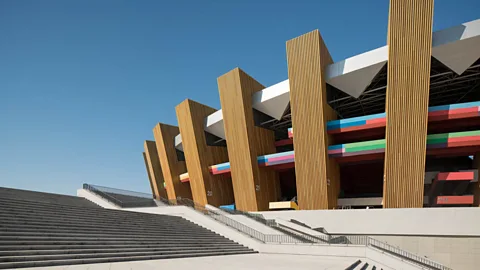
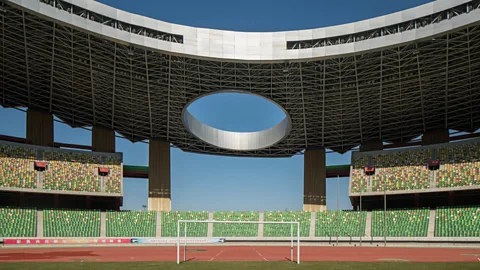
Yet even in the world’s second largest economy, the rate of development has overtaken demand. Take China's largest ghost town, Kangbashi in Ordos, Inner Mongolia. The province is rich in natural resources and the government built a futuristic city quickly to house an expected influx of workers. But they never came. Apart from a few local officials and a handful of migrant workers enticed by a special "relocation bonus" the city's towerblocks, plazas and sports stadium stand empty.
There are dozens of uninhabited urban developments across China. Despite a new push to move 100 million rural workers to cities, they remain a haunting reminder of China's sky-high economic ambitions.
Credit: Raphael Olivier (photos 1-6) / Kai Caemmerer (photos 7-9) / Getty Images (photos 10-12).
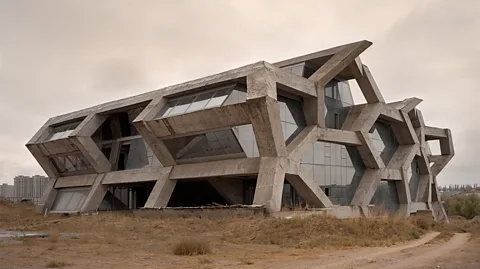
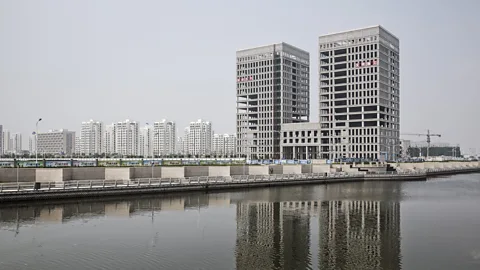
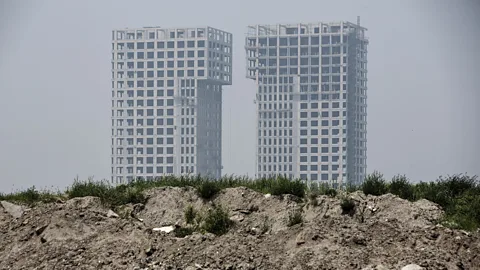
Locations: Kangbashi (photos 1-7) / Changsha, Hunan province (8) / Binhai New Area, Tianjin (9) / Caofeidian Industrial Zone near Tangshan, Hebei province (photos 10-12)
 Raphael Olivier
Kangbashi, Ordos
 Raphael Olivier
 Raphael Olivier
 Raphael Olivier
 Raphael Olivier
 Kai CaemmererKai Caemmerer
Changsha, Hunan province
 Kai Caemmerer
Binhai New Area, Tianjin
 Getty Images
Ten years and $100bn in the making, Caofeidian Industrial Zone near Tangshan, Hebei province, was built to house a million people. But only a few thousand live there today. Construction has been put on hold as costs of raw materials have risen and bank loans have dried up. The government is reportedly moving part of Tangshan University to the city to give the local economy a boost, however.
 Getty Images
 Getty Images