The 'visual beauty' of bricked-up windows
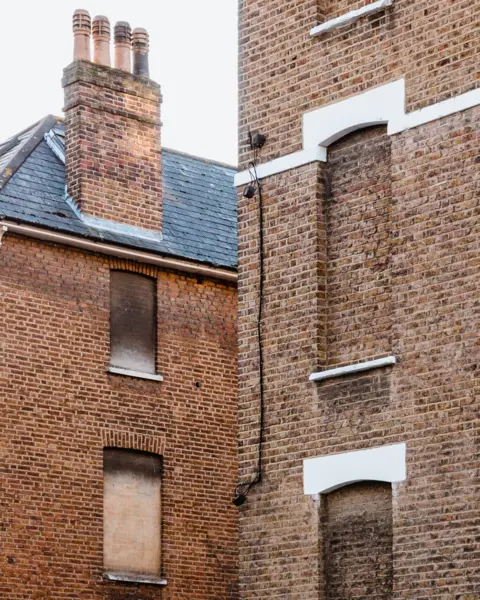
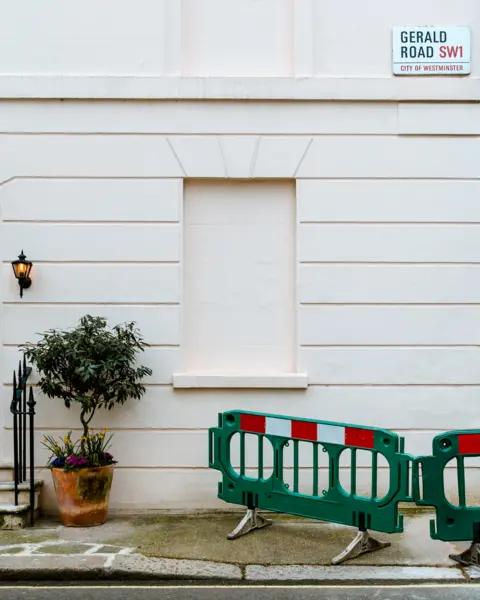
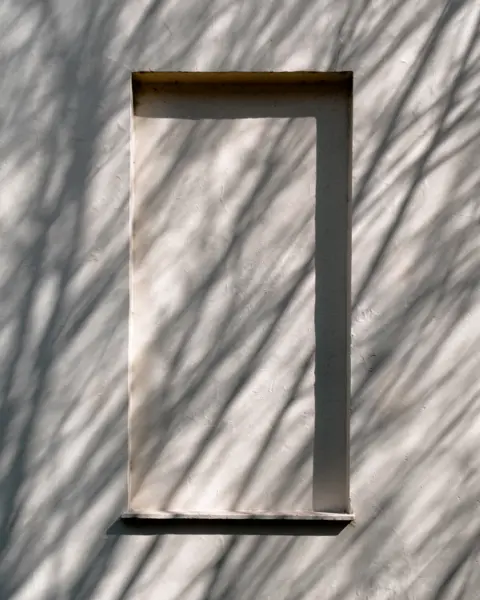
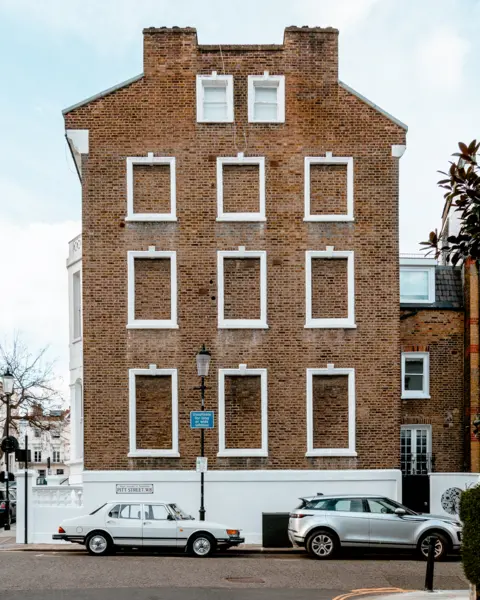
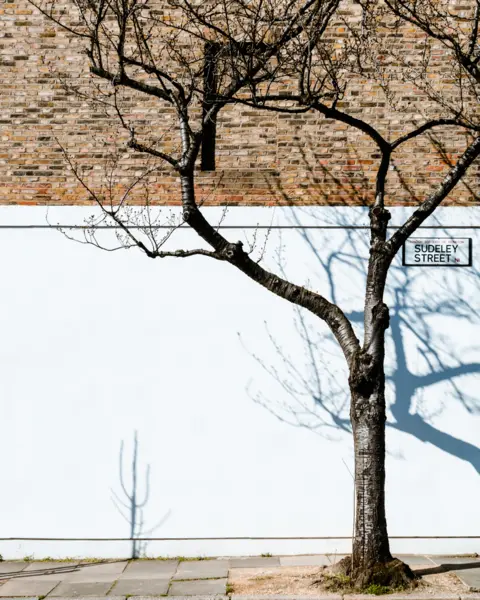
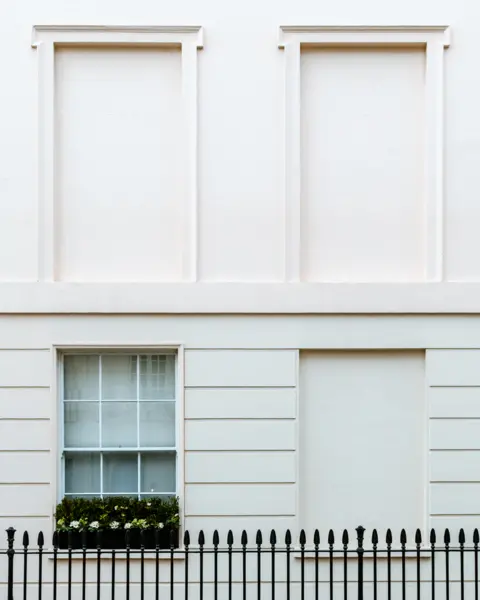
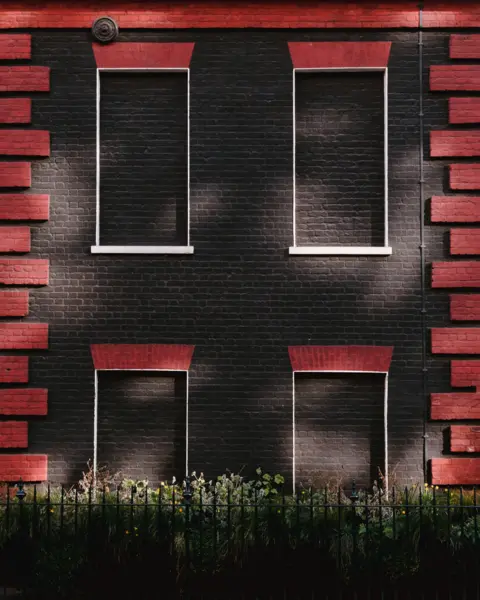
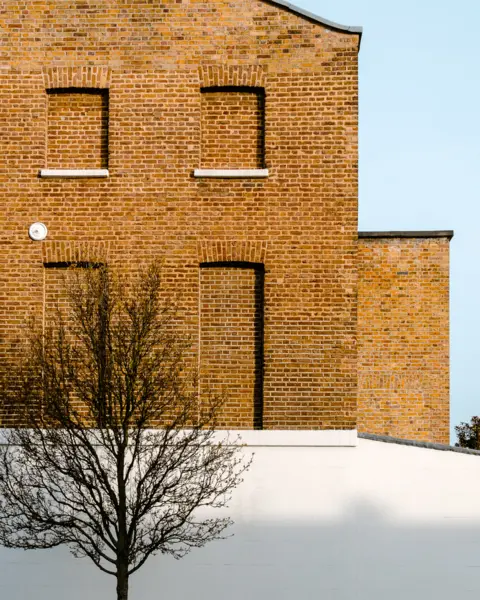
Andy Billman has photographed dozens of bricked-up windows across London for a series that examines how light and air in architecture affects wellbeing.

 Andy Billman
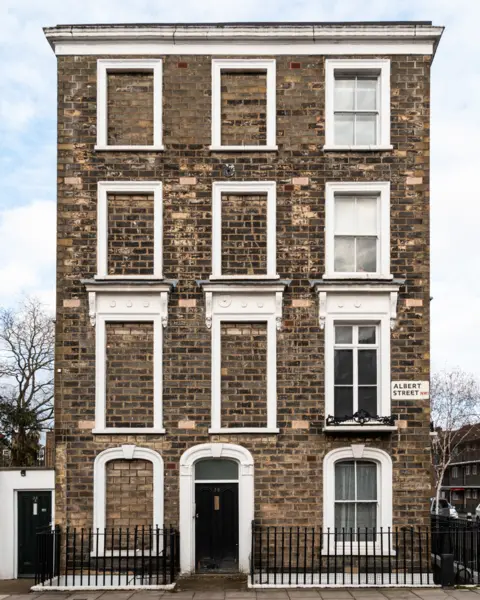
Having initially taken an interest in their aesthetics, Billman was fascinated to discover many of the windows would have been blocked up centuries ago, to avoid tax.
"Documenting my surroundings to resurface the story of the window tax feels very timely, as the last year has proven natural light and fresh air have been more important than ever," he says.
 Andy Billman
Window tax was introduced in England and Wales, in 1696, and Scotland, in 1748.
The more windows a building had, the more its owner had to pay.
Initially applied to buildings with more than 10 windows, the tax was later extended to include those with seven or more.
 Andy Billman
The tax was intended to be progressive, as the least wealthy would, in theory, live in smaller houses with fewer windows.
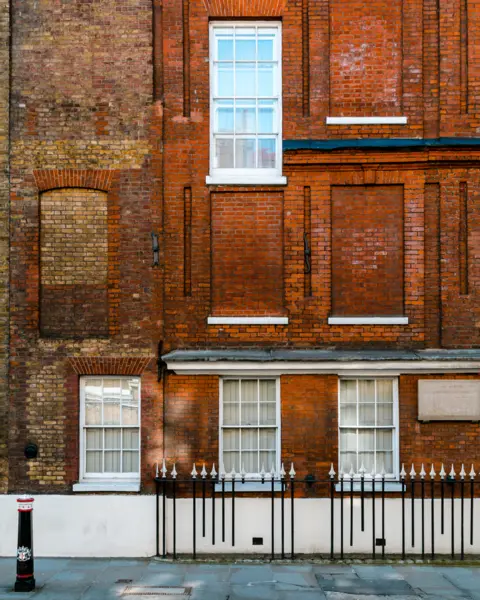
However, in urban areas, poorer people commonly lived in large tenement buildings, which, regardless of how they were subdivided, were considered to be a single dwelling and subject to heavy tax.
Consequently, many landlords blocked up their tenants' windows or passed on the extra cost in rent.
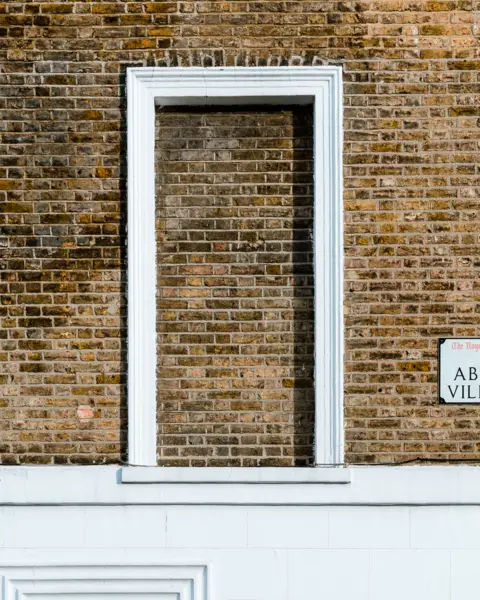
Some blocked up windows were designed that way by the architect, perhaps for aesthetic reasons.
 Andy Billman
The lack of light and ventilation is thought to have greatly affected people's health and wellbeing and allowed epidemics to quickly spread.
 Andy Billman
 Andy Billman
Writer Charles Dickens frequently spoke out against the tax and, in 1850, said: "Neither air nor light have been free since the imposition of the window tax.
"We are obliged to pay for what nature lavishly supplies to all, at so much per window per year, and the poor who cannot afford the expense are stinted in two of the most urgent necessities of life."
 Andy Billman
Window tax was finally repealed in 1851, following pressure from doctors and campaigners.
 Andy Billman
 Andy Billman
Billman has photographed more than 80 buildings in London and hopes to expand the series to include the rest of the UK.
"The juxtaposition between appreciating the visual beauty of these overlooked bricked-up windows, yet at the same time how they tell the adverse story of people being robbed of natural light, fascinates me," he says.
"Creating photography that makes you take a moment to look beyond the surface to explore these two opposing themes is what I hope viewers take away."
 Andy Billman
 Andy Billman
Daylight Robbery will be on exhibition at the Bermondsey Project Space, as part of London Festival of Architecture 2021, 22-26 June.
