Protecting the last wild lions in Africa
British photographer George Logan documents the "natural beauty, drama and raw ferocity" of wild lions in Africa.

 George Logan
Logan has spent the last 10 years photographing lions in Kenya, Ethiopia, Zambia, Malawi, Botswana, Namibia and South Africa.
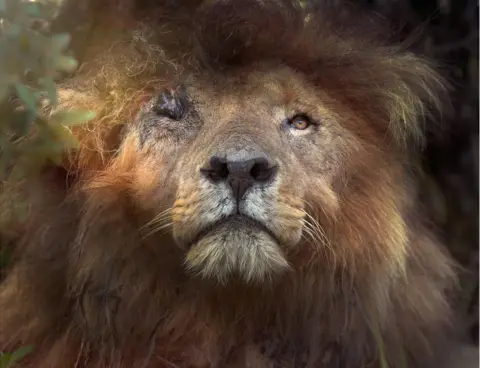
One of his favourite shots is of the lion seen above, known as Scarface.
"He is a proper warrior survivor and has lived his life as a wild lion should, not captive in a zoo, or performing in a circus, or lost to some despicable trophy hunter," he says.
 George Logan
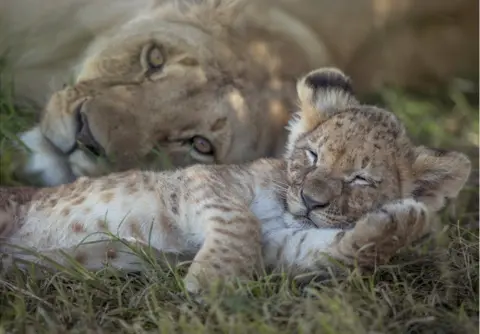
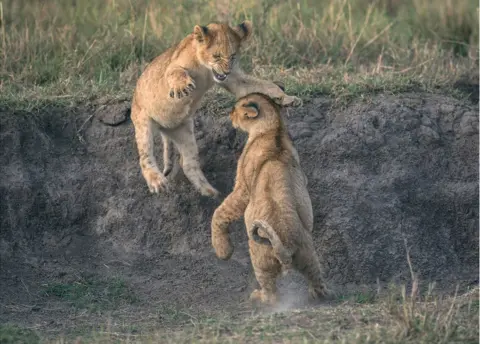
The photographer's book, Lion: Pride Before The Fall, features big cats in their natural environment, along with thought-provoking conceptual images that symbolise the plight of wild lions today.
 George Logan
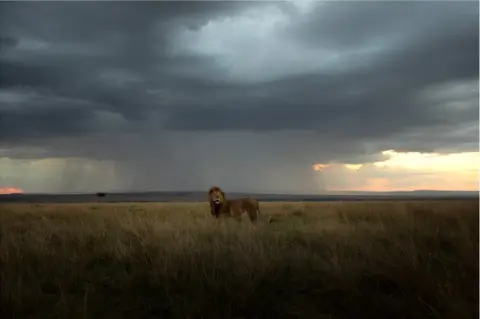
"The lion is Africa's signature wild animal, yet fewer than 20,000 remain in the entire continent, down from an estimated 100,000 five decades ago," says Logan.
"At the current rate of decline, lions will be extinct in the wild by the middle of this century."
Profits from the book will go towards conservation work with the charity, Born Free.
 George Logan
Actor and wildlife campaigner Virginia McKenna, a co-founder of the charity, says in the book's foreword: "No-one, in my view, more strikingly has caught the multiple dimensions of lions' behaviour and depth of character than George Logan."
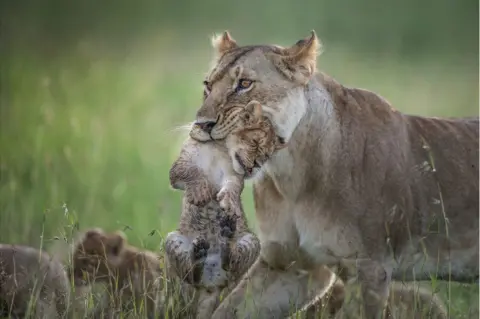 George Logan
Logan produced the conceptual images by teaming up with creative agencies who provided ideas of how to represent the danger faced by lions in the wild.
Here are a few of the images, with comments from Logan:

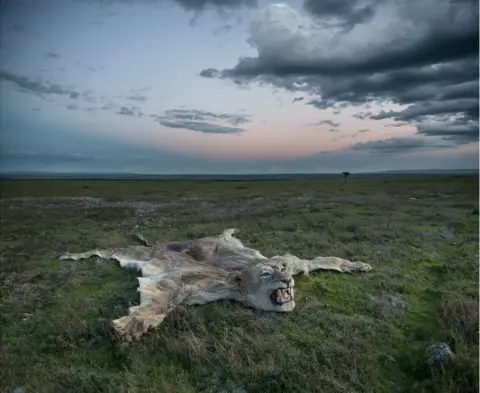
The Lion Sleeps Tonight
 George Logan
"Most people would marvel at just a glimpse of a lion in the wild.
"With the simple pull of a trigger, the trophy hunter removes all that beauty and wonder in an instant.
"For what?"
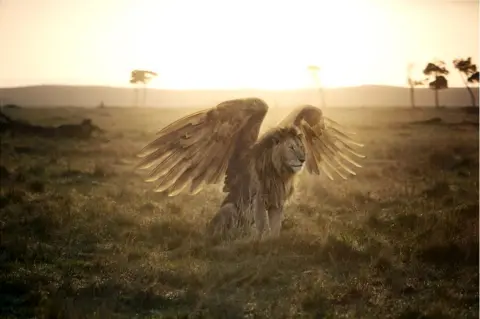
How Long Until They're Just a Myth?
 George Logan
"The decline of lions is a devastating testament to our destruction and exploitation of the natural world.
"Apart from the need to salvage our own consciences, it's worth considering all that we stand to lose.
"What does it say about us as a species if we can't protect the most symbolic and iconic of all creatures?"
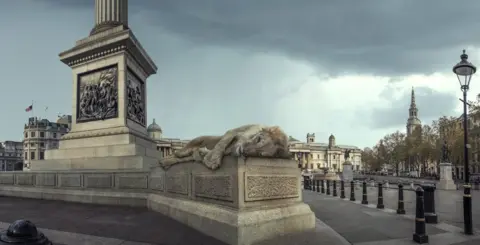
Trophy Hunting Should Not be a Tourist Attraction
 George Logan
"In the UK we have always celebrated lions.
"They have not lived wild in the British Isles since the Pleistocene era, between 1.8 million and 10,000 years ago, yet we have an affinity with them that borders on the irrational.
"We have lions on our flags, our sporting team kits, our money.
"Everywhere you look you see lions... except where it matters most. In the wild."
The Big Game
 George Logan
"Of all the threats facing lions, canned hunting is the most abhorrent.
"I can understand why habitats are being lost and why local herdsmen want to protect their livestock, but the practice of paying up to $50,000 to shoot a lion, using a high-powered rifle in an enclosure with no escape, is especially disgusting.
"Canned hunt lions are raised by humans, so they have little natural fear of people, making it even easier to kill them.
"Like shooting fish in a barrel. Hunting for the instant gratification generation."
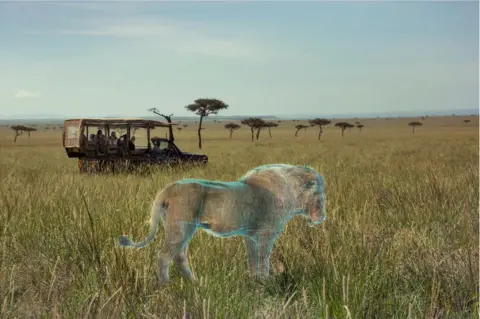
Safari 2050?
 George Logan
"Many African countries rely heavily on eco-tourism.
"How many visitors will want to embark on future safaris knowing they won't see the king of the beasts?"
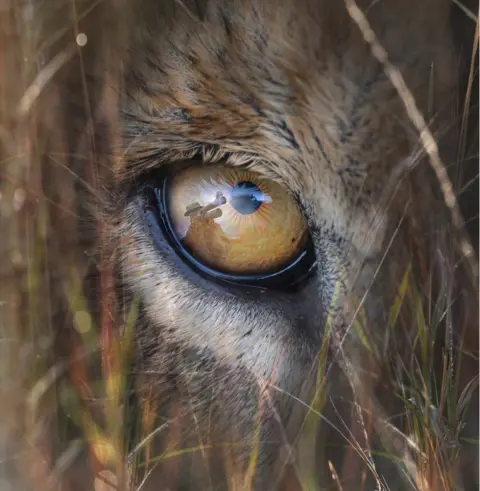
Trophy Hunting
 George Logan
"Trophy hunting lions is big business.
"Yet it provides little benefit to local communities - only a tiny fraction of the huge sums hunters will pay in exchange for taking a lion's life ends up in local pockets."
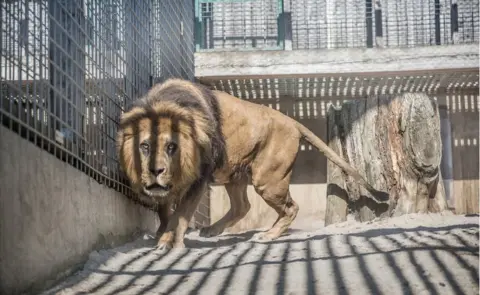
Majestic No More
 George Logan
"Lions are spectacularly unsuited for captivity.
"In the wild they have territories ranging into hundreds of miles.
"Thousands of lions are held in captivity in zoos, breeding centres and private collections around the world.
"However carefully their compounds are designed, life in captivity will always differ substantially from life in the wild."
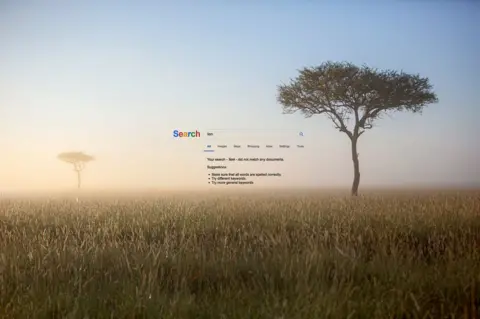
A World Without Lions?
 George Logan
"The decline of lions is a devastating testament to our destruction and exploitation of the natural world.
"Apart from the need to salvage our own consciences, there are many crucial reasons to save lions.
"As an apex predator, lions play a key role by helping control the herbivore population.
"Lions prey mainly on herd animals, often taking the weakest.
"This in turn keeps the herds resilient and healthy."
