Rare crayfish released into new conservation centre

 Hampshire & Isle of Wight Wildlife Trust
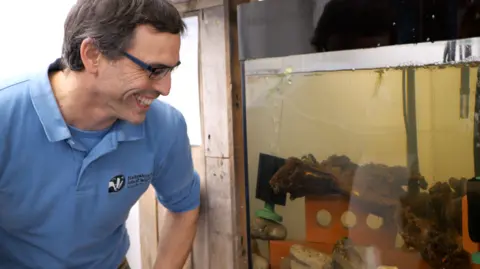
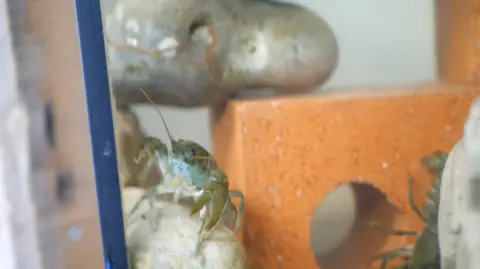
An endangered species of crayfish has been released into a new conservation centre.
It is hoped the white clawed crayfishwill be introduced in habitats across Hampshire after their release into theWildheart Animal Sanctuary on the Isle of Wight.
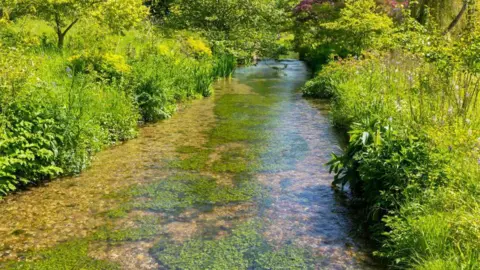
The scheme is part of Hampshire & Isle of Wight Wildlife Trust's work to conserve chalk streams - globally ecologically important habitats predominantly found in southern England.
The new conservation facility will open to the public in early 2024.
 Hampshire & Isle of Wight Wildlife Trust
White clawed crayfish are Britain's only native species.
Their introduction at the Wildheart Animal Sanctuary is part of the trust's Southern Chalkstreams project.
The scheme aims to protect globally unique chalk streams - rivers rising from permeable chalk that tend to be very clear.
 Getty Images
The new conservation centre is the first of its kind on the Isle of Wight.
The trust has worked in partnership with Bristol Zoological Society for 10 years and has been using their hatchery, but the new centre will mean the trust's work can be developed more locally.
Principal ecologist Dr Ben Rushbrook said introducing the crayfish to their "new home" was "a very special day".
There are hopes the new centre could house egg-carrying female crayfish, increasing the security of the species in the region.
It also creates the possibility of establishing the endangered native species on the Isle of Wight.
Follow BBC South on Facebook, X, or Instagram. Send your story ideas to south.newsonline@bbc.co.uk.
