SEND debt write-off is 'positive' for councils

 BBC
BBCTwo councils have described the government's move to write off 90% of SEND-related debt for councils as "positive".
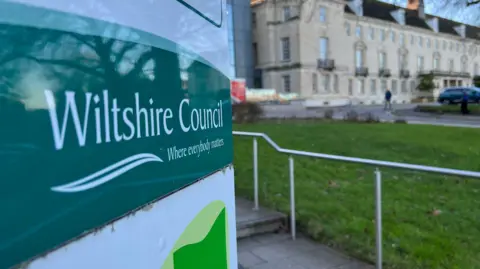
Both Wiltshire Council and Swindon Borough Council have large deficits connected with Special Educational Needs and Disabilities (SEND) education, with Wiltshire's forecast to be £96m by April this year.
Swindon's is £24.5m, with Labour council leader Jim Robbins calling it "really positive news".
The government will be spending £5bn on the move, with many councils saying that had the debts been called in, bankruptcy could have been on the cards.
A report from the Local Government Association warned that eight in 10 English councils would go bust if the deficits were not paid off.
Councils have a legal duty to identify and support children with SEND, with rising demand meaning spending billions more than they receive from the government.
The number of children supported by an Education, Health and Care Plan (EHCP) increased by 51% between 2018/19 and 2022/23, and people asking for the plans increased by 46% over the same period.
The debts were kept "off the books" by a Statutory Override – a legal device which was due to expire in 2028.

Wiltshire Council had already set aside £18m to help manage the pressures created by the deficit, and this news means it will be left with a smaller residual deficit for 2025/26, estimated to be in the region of £15m.
Ian Thorn, Wiltshire Council's Liberal Democrat leader, said it was "welcome news".
"It will allow us to plan with far more confidence, and because we have carefully managed our financial position, we can continue with our focus on improving experiences and outcomes for children and families with SEND," he said.
Swindon Borough Council should have £22m wiped off, leaving it to find savings to pay back £2.45m.
Both councils are waiting for more details on how the write-off will work.
Follow BBC Wiltshire on Facebook, X and Instagram. Send your story ideas to us on email or via WhatsApp on 0800 313 4630.
