Huge tree‑planting project aims to clean up river

 BBC
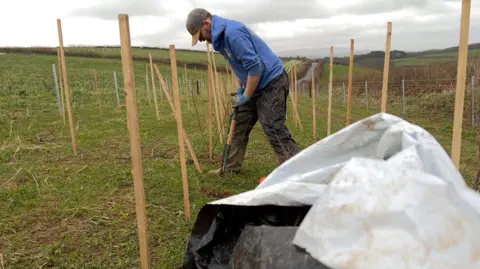
BBCThousands of new trees are going into the hills above a river as part of a big push to clean up the water before it reaches a popular swimming spot.
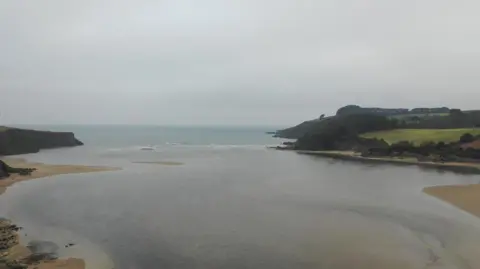
Coastguards Beach on the River Erme, in south Devon, won official bathing water status in 2024, but Environment Agency tests in 2024 and 2025 showed the water was not safe for swimmers.
The plan is to plant about 16,000 trees across 190-acre Ramsland Farm near Holbeton to slow and filter water running off the land during heavy rain, as well as provide shelter for livestock.
Landowner John Mildmay-White is planning to run a 10‑day series of marathon runs from the Erme to London to spread the word about river clean-up projects.
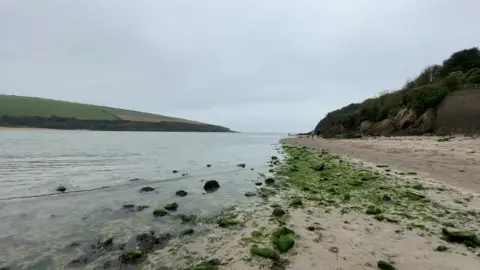
Mildmay-White said the failed tests at Coastguards made it clear something had to change.
"This is my home, I have three young boys and we use the water all year round, so we've got a real stakehold in this," he said.
"To be honest, we're not in a good position. You can look at the surface of the water and think things are great, but when we got into the detail of what's going on, the story is slightly different."
Rivers are affected by storm water overflows discharging sewage into the rivers, but also farm run-off, which usually includes manure, artificial fertilisers, herbicides and pesticides.
South West Water (SWW) estimates about 30% of river pollution is caused by run-off from farms.
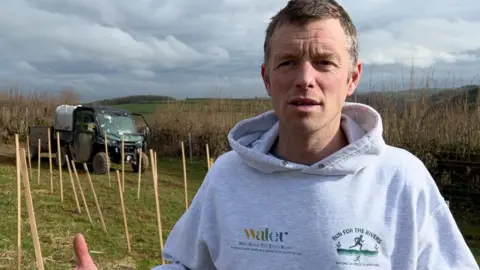
The utility company said it had been "working closely" with Holbeton Parish Council and a local housing developer to reduce storm water overflows which release raw sewage when they were overwhelmed by rain.
There are at least three storm water overflows in Holbeton, Modbury and Ivybridge which affect the Erme, according to SWW.
SWW said it was "looking to reduce surface water entering the sewerage network" and "explore possible solutions".
It was also working with farmers and landowners through its Upstream Thinking programme "to help them reduce sediment, chemicals and nutrients run-off from the land into rivers".
Campaigners Wild About the River Erme have been pushing for improvements to the sewer network alongside SWW and local farmers to reduce run-off.
Every week between May and September, the Environment Agency measures the water quality at bathing sites across England, and in some places it issues daily pollution risk forecasts.
SWW also publishes live maps showing where storm water overflows are discharging and which bathing spots are affected.
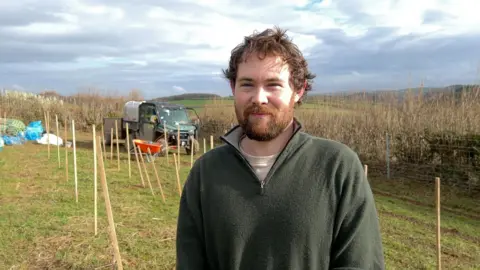
The tree-planting is part of a community forests project funded by the Department for Environment Food and Rural Affairs (Defra) to "enhance and enrich the environment".
Ramsland Farm is being converted to organic but ecologist Robbie Phillips, who is leading the tree planting, said even farms that do not use pesticides and artificial fertilisers struggle with run-off.
"These fields have still got stock in, so when there's extreme rainfall events, which are becoming more common, the trees will capture some of that loose sediment and soil, filter out some nutrients and then ensure that what ends up flowing through to the river courses is actually nice and clean water," he said.
There are about 30 species of mostly native trees going in and 25 different fruit and nut varieties.
"It might take quite a few years but hopefully there'll be walnuts coming off this farm within 10 years," he said.
"If you can create something that's both a solution to a problem but also an additional enhancement on the farm then that's where you're really winning."
In March, Mildmay-White will run a 10‑day series of marathons totalling 373 miles (600km) called Run for the Rivers from the Erme to London.
From the Erme he will follow the river up on to Dartmoor before heading to Princetown. His route then turns north-east to Taunton and on to join the upper reaches of the River Exe before arriving at the north Devon coast.
From there he heads to Bristol and on to the Cotswolds where he will join the River Thames, arriving in London on International Day of Action for Rivers on 14 March.
Mildmay-White said: "We'll engage and talk to people on the rivers and try and build a picture of what's happening on the different watercourses and spread this message of hope that we can do something about it.
"This is a long-term project. These things aren't going to change overnight, but it's exciting because we've got a really strong group of volunteers who are passionate about it.
"And I think it's even more exciting because we can make those changes ourselves, we're not relying on other people to do it."
Follow BBC Devon on X, Facebook and Instagram. Send your story ideas to spotlight@bbc.co.uk.
