'A bad press' or 'rats with wings'? The debate over Scotland's gulls

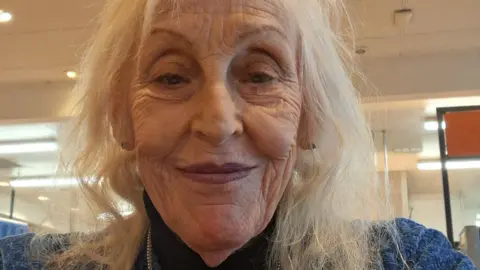 Susan Thorkildsen
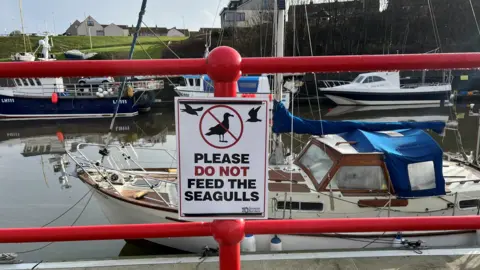
A bid is being made to introduce Scotland's first council by-law banning the feeding of gulls in the Borders.
It comes after reports of children being injured in Eyemouth by swooping birds.
Local councillor James Anderson, said a by-law could give the local authority "the tools it needs to address a long-standing problem".
Ahead of a council meeting to discuss the issue on Thursday, people have shared their opinions with BBC Your Voice.
Karen McKone lives in nearby Ayton but grew up in Eyemouth.
She told BBC Scotland News she had "never, ever had any incidents with gulls".
"If you're walking, and their young are nearby, they might come and swoop on you, but I could never use the word attack because I don't believe it's an attack," McKone added.
"They don't come down to attack you, they just swoop on you and sometimes they misjudge and they catch you."
McKone said she understood people had strong feelings about the birds but said that making it illegal to feed them was a step too far.
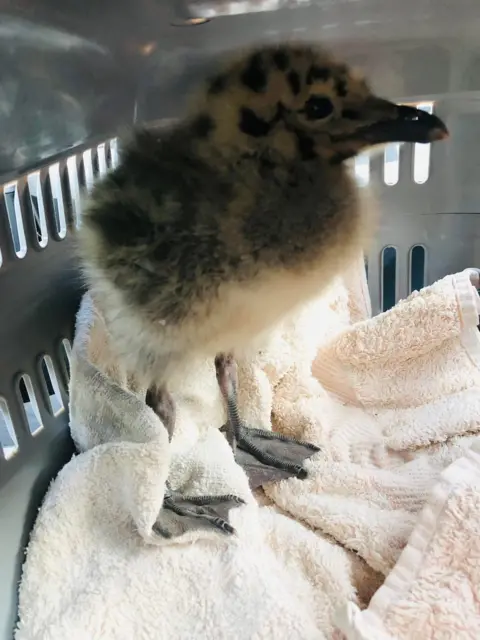 Karen McKone
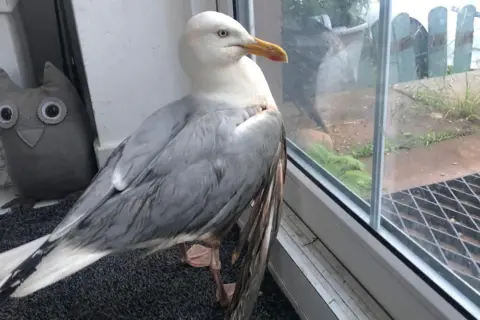 Karen McKone
She said other steps like putting up signs and making sure rubbish was secure could make a bigger difference and also called for stronger action to be taken against people mistreating the birds.
"I've picked up so many gulls, so many baby gulls hit by cars and I've seen it happen," she said.
"I've seen people deliberately not even try and avoid a bird in the road, you know.
"I've picked up numerous gulls with injuries that are down to human beings."
Karen said that included birds being kicked, poisoned and even shot at.
"They are a protected species, but you wouldn't think it around here," she said.
"I don't believe that the bad press that they get is warranted."
Susan Thorkildsen, who lives just over the border in Cornhill-on-Tweed, said she did not think a feeding ban was the way to go in dealing with the gulls.
"They were here many, many, many years ago, long before people were here," she said.
"I actually feed them in Berwick and I feel like I am doing some good because, with me feeding them, it takes away the pressure from them looking for other scraps or pieces or whatever they can get off of other people.
"When people move to a seaside town, you've got to expect to have seagulls.
"That's part of life, you know, you can't say - hey, look, I'm here now, I don't want you here, we're going to get rid of you."
Ros Docherty, from Glasgow, said laws against littering needed to be stronger.
"Fast food outlets need to contribute financially to the control of the litter they create," she said.
"Waste bins need to be better designed and emptied more often.
"People should be free to feed them if they want.
"Perhaps there could be designated areas or places to do that - gulls are clever, they would soon learn to use them."
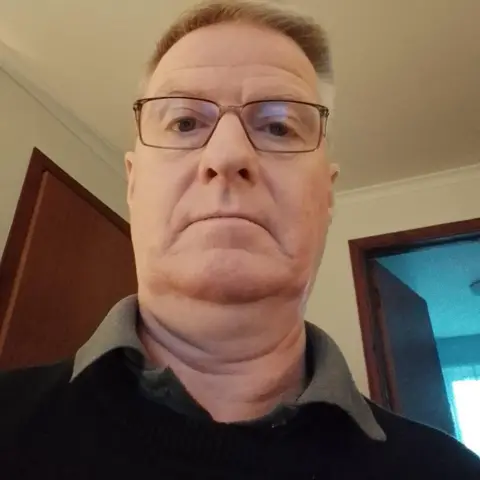 Craig Mitchell
Some, though, did favour the by-law.
Charles Brunton, from Dundee, described the gulls as "rats with wings" who dirtied washing, windows and cars.
Meanwhile, Craig Mitchell, from Perth, suggested that other parts of Scotland should consider the move.
"It is a problem around the whole country," he said.
"I have been hit in the head just walking from my front door into the car park.
"My neighbour is too scared to walk her dog in this area and we now are getting quotes to change our roof valley where the gulls nest."
Scottish Borders Council has said any plan to introduce a by-law would need "significant consideration and consultation, including with relevant partners and the community".
NatureScot said it had organised a number of meetings around the country - including in Eyemouth - to discuss the issue, with another planned in Dumfries on 29 January.
It said the latest census showed gull numbers across Scotland were still declining.
A spokesperson said it recognised the need to balance conservation efforts while tackling "genuine concerns where gulls come into conflict with people, particularly in urban areas".
They added that NatureScot hoped to work with communities to find "sustainable solutions that reduce gull-related issues while protecting these declining species".
