Will the ferry link between Scotland and mainland Europe be restored?

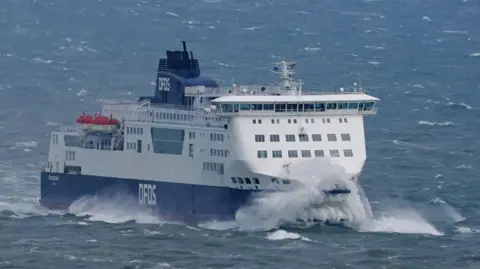 PA Media
Speculation is mounting about the return of a direct ferry crossing from Scotland to mainland Europe after a French port announced it was looking forward to a new service between Rosyth in Fife and Dunkirk.
It has been nearly eight years since freight ferries sailed between Rosyth and Europe and more than 15 years since the last passenger service ceased operations.
Earlier projections to re-establish the international link by this spring appear to have been set back while the Scottish government seeks to establish a new border control post for checking goods.
However, Dunkirk Port said this week that it was looking forward to the new crossing to Rosyth ahead of the Six Nations rugby tournament in early 2027.
What happened to Scotland's international ferry services?
The only major service from Scotland in recent years took freight and passengers from Rosyth, just outside the Scottish capital, to Zeebrugge in Belgium.
Superfast Ferries initially launched the route in 2002, but it was later taken over by Norfolkline, which was then acquired by the Danish company DFDS.
By 2010, the passenger element was scrapped, with DFDS blaming a lack of demand.
The company then axed its freight service between Rosyth and Zeebrugge in 2018 following a fire on one of its ships.
At the time, the operator said it had "lost all hope" of reversing the fortunes of the already "loss-making" route.
Since then, alternative plans have emerged - including reopening the link to Zeebrugge and a service to Eemshaven, Netherlands - but these have been unsuccessful.
Why is there a push for a new Scottish route?
A direct route to mainland Europe is seen as beneficial for both hauliers and tourists, bringing economic benefits for Scotland.
Exporters would have more direct access to the European market post-Brexit than using ports in England, and would be able to reduce road miles and emissions.
The ferry route would also make Scotland easier to access for tourists travelling with campervans, motorbikes or bicycles.
Politically, there has been sustained enthusiasm from the Scottish government to restore the service, and give Scottish exporters "more direct routes to market".
A Scottish government spokesperson has said it supports the development of Scotland's ports and the "potential for new direct freight and passenger ferry services linking Scotland to Europe".
A spokesperson said: "We will continue to engage with port operators and others to explore how that might be delivered so that Scottish exporters have more direct routes to market and the Scottish government is continuing to work with DFDS to assess the long-term commercial viability of the proposed service."
What is the planned new service?
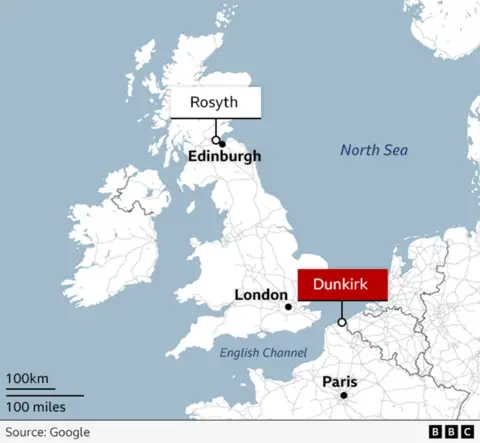
The proposed new Rosyth–Dunkirk crossing would be operated by DFDS, potentially with a 20-hour journey, three times a week.
A DFDS spokesman said there was "no firm timeline yet" on launch dates or schedules.
"DFDS is still interested in the service, and we are actively engaged in constructive discussions with the local authorities," he told BBC Scotland News. "Progress is being made, and we remain optimistic about the potential of this new route."
At an announcement of the port's annual results this week, Daniel Deschodt, deputy director of the port of Dunkirk, said that they were ready to roll with the Scottish link.
However, he said there were some remaining obstacles with custom checks.
"The Scots will, I hope, be able to attend the match in France as part of the Six Nations tournament by boarding the future ferry," Deschodt is reported to have said at the press conference.
On the Scottish side, Forth Ports was not able to offer clarity this week.
A spokesperson said: "We support the return of a ferry service to the Port of Rosyth and we will continue to be part of the discussions and work alongside those who have an interest in the resumption of this service."
What are the obstacles to establishing a new route?
 Getty
GettyWith any new ferry route there will be issues around financial viability and potential government support.
However, since Brexit, regulations around freight have been complicated for UK hauliers.
Food and other agricultural products must undergo biosecurity checks at a Border Control Post (BCP) before entering or leaving the UK.
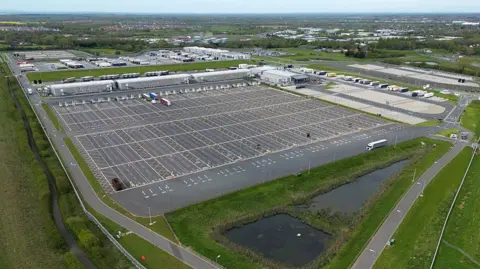
As there is no such facility at Rosyth, legislation changes will be required to allow goods travelling through the port to be checked offsite.
Similar arrangements have been made at Sevington near Ashford, Kent where lorries using the Port of Dover travel 22 miles (35km) to undergo checks for potentially dangerous foods before they reach UK industry and shops.
The Scottish government is considering a proposal for the BCP at Grangemouth, 20 miles (32km) away, to be used instead.
A spokesperson for the government said: "A consultation on proposals to amend the minimum requirements for the location of a Border Control Post ended last week and next steps will be announced in due course."
