'We want to revive the county's wool heritage'

 BBC
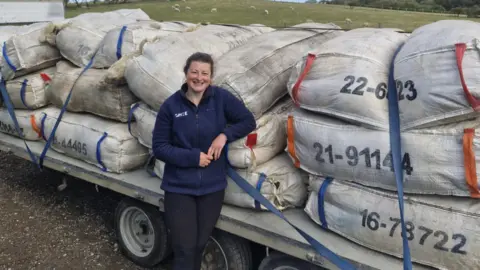
BBCA farmer has set up a project to revive the county's wool heritage and support local producers with fair prices to "restore the value to wool".
North York Moors Tweed will use the fibre from farms in the national park to create tweeds inspired by the landscape, sharing the profit between contributors.
The project also aims to tell "the stories behind those metres of tweed" to keep the heritage of wool production in the area alive, according to founder Emma Boocock.
"We live in such a beautiful place, we have a huge farming community and I wanted to do something that meant something, not just to us but to other people as well," she said.
"This isn't just about me and our farm and making it a success for us.
"It's about making a success for the farmers involved as well, and to give them money back for the hard work they're doing."
Boocock, a fourth generation farmer, said she was inspired to launch the project after looking into ways to diversify "to generate a bit more income" as a family-run farm.
She said although they considered other avenues such as offering glamping accommodation, "it didn't sit well" as they didn't feel passionately about the idea.
 Emma Boocock
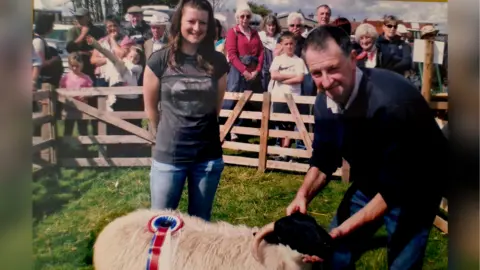
Boocock's father, grandfather and great-grandfather owned prize-winning Scottish Blackface sheep, and wool production was a large part of the farm's legacy.
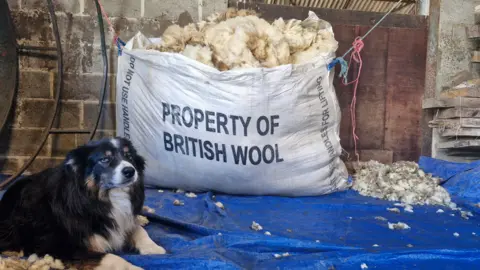
However the cost of farming wool, including shearing, often vastly outweighs the money made from selling it, she said, calling it "really disheartening".
After a conversation at a fair with the founders of Lake District Tweed, who had successfully established their business, she was inspired to set up her own version.
North York Moors Tweed buys wool from local farmers at "above market value" rate, Boocock explained.
Suppliers that the business regularly works with can then sign up for a profit-share scheme, so they can directly benefit from any sales made.
Boocock set up a fundraiser which raised over £13,000 to launch the business' first collections of tweed and throws; Freebrough, Danby and Rosedale, named after each area the wool was sourced from.
The project has been supported through two North York Moors National Park Authority grants; Farming in Protected Landscapes and the Visitor Experience fund.
The response to the campaign proved that "people had enthusiasm" for the concept, she said.
"It's not just the farmers who are enthusiastic, it's the local community, it's people online," she said.
According to her, the interest could come from people looking to move away from synthetic fibres, recognising the importance of natural, durable products that last.
"Part of what we're creating is products that have longevity," she said.
"You might make a tweed jacket out of some of our materials, and that's a jacket that will outlive you potentially.
"I think we've kind of lost that, we've got into this fast fashion, fast homeware where we're changing things all the time."
She added the emphasis should shift to "timeless" items that people could "love continuously", keeping the history of sheep farming in the area alive.
 Emma Boocock
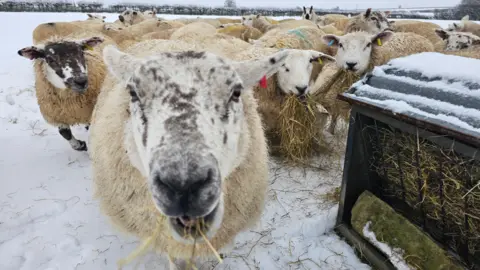
"All of the farmers across the national park have a story, their sheep have farmed these landscapes for centuries and I think people want to hear about those stories," she said.
This year will be North York Moors Tweed's inaugural year, with products expected to be available by summer.
While Boocock estimates that it will be "a real kind of test" of timescales and costing, she said she was looking forward to giving a farmer one of the finished products, to say thanks.
"How amazing is that, to know the wool you've given me, I can give something back that's physical," she added.
"A lot of the time as farmers, we send our wool off to the British Wool Board and we have no idea where that wool goes – it's an amazing thing to be able to [say] 'here's the fruit of your labour'."
Listen to highlights from North Yorkshire on BBC Sounds, catch up with the latest episode of Look North.
