'Fear and alienation': Senior Co-op staff complain of 'toxic' culture at the top

 Alamy
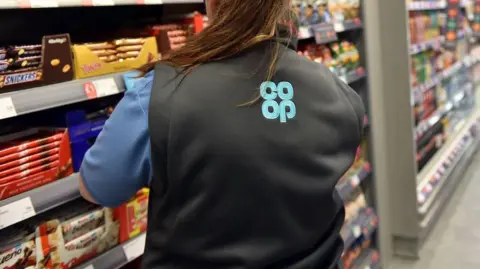
AlamySome senior managers at the Co-op have complained of a "toxic culture" at the executive level of the 180-year-old member-owned food and services group that prides itself on its ethical values.
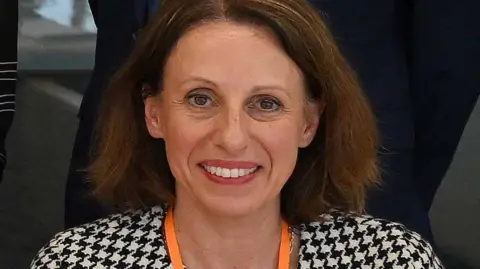
A letter to Co-op board members, seen by the BBC, complains of "fear and alienation" among even senior staff who feel scared to raise concerns about the direction of the business in front of the leadership team, including chief executive Shirine Khoury-Haq.
Several sources also said they feel a culture that discourages any challenge has led to a series of poor decisions resulting in sinking morale, abrupt departures, as well as a "sharp drop in profits and a rocketing of food waste".
Lawyers for the Co-op told the BBC they did not recognise the critical comments raised, and "do not believe that they represent the views of our broader leadership and colleagues".
One senior manager told the BBC that advice was at first ignored and over time treated with hostility: "You learn to look at your shoes. Nobody can speak their mind in this business - anyone who does has their card marked."
The letter, which claims to represent the views of a large number of senior managers, was sent by email to the chair and another member of the Co-op board more than two weeks ago and alleges that "leadership behaviours have significantly degraded the leadership culture of our Co-op".
Several sources at senior manager level have told the BBC they corroborate the contents of the letter in full and say they personally have felt intimidated and afraid to speak up in front of the most senior executives.
 Getty Images
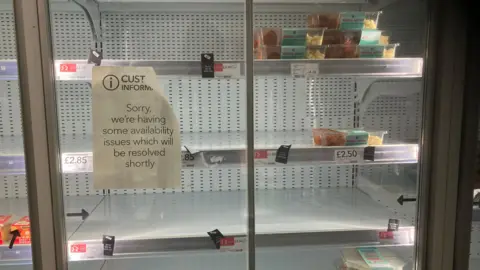
While the letter acknowledges that the organisation responded quickly to a crippling cyber-attack that interrupted trading for three weeks and cost £206m in lost sales, it insists that actions to respond to media reports of empty shelves by restocking them with whatever product was available, however inappropriate, led to a fall in sales and profits while food waste escalated.
One person close to the situation told the BBC: "We were sending parsnips, which we could get, to fill the shelf space of steak, which we couldn't."
A Co-op spokesperson told the BBC: "Given the challenging nature of these events, we had to make many difficult and decisive choices."
Despite the disruption of the cyber-attack, the Co-op pressed ahead with major restructuring plans to merge its retail, wholesale and third-party buying functions into a single unit called Group Commercial and Logistics (GCL).
This was despite warnings from experienced staff that it would cause disruption to the business and create confusion with suppliers to a group with a total of £9bn in turnover.
Senior managers have told the BBC they believe that the ongoing decline in operating performance can no longer be explained by the impact of last year's cyber-attack and is a result of poor decisions, including the reorganisation and consolidation of its buying functions into GCL.
The Co-op has recorded declining monthly sales compared to last year every month since July 2025 and is one of the worst performers in the grocery sector, according to closely followed industry benchmarks which show its share of the overall grocery market near record lows.
A spokesperson for the Co-op said the group had a solid financial position with reduced debt levels compared to five years ago and cash reserves providing "significant financial headroom".
Since the GCL restructuring, "tens of colleagues" have left the business including many senior and experienced personnel.
Jerome Saint-Marc, a managing director in the food business; Sinead Bell, chief commercial officer; and Adele Balmforth, propositions director, have all left the business in the last six months. Commercial director Rebecca Oliver-Mooney announced her departure in the last few days.
The letter to members of the board says many feel that "decision after decision ... has been poor, against advice, and carelessly communicated".
Shop workers' union Usdaw said it has also been "critical of some of the decisions made by the business".
National officer Jayne Allport said: "Our reps working in stores, logistics and Funeralcare continue to raise concerns from union members with senior management to seek solutions. We would encourage any Co-op colleagues afraid to speak out to join Usdaw and we will speak on your behalf."
A spokesman for the Co-op told the BBC: "Our culture, as a co-operative, ensured decision-making throughout has listened to views from leaders and colleagues across our food and wider business, whilst simultaneously acknowledging when a wide range of views are expressed, not everybody will always agree with the final decisions and actions taken."
'Morale is at rock bottom'
However, one source told the BBC: "The Co-op is a great business that has had a wrecking ball put through it. The collaborative and supportive culture has been ruined. It's toxic now. People are shell-shocked. Morale is at rock bottom - junior colleagues are looking to senior ones and asking why no one is doing anything about it."
A separate source said: "It's like corporate gaslighting with top management saying that everything is going fine when all evidence is to the contrary. "
The Co-op traces its roots back to 1844 when the Rochdale Society of Equitable Pioneers set up a store to offer quality food at fair prices to working-class neighbourhoods in industrial towns.
Part of its code of conduct includes the following passage.
"Here at the Co-op we're committed to carrying out our business in a safe, honest and ethical way. Part of that is creating an open and supportive working environment."
But one staff member told the BBC: "I came to work at the Co-op because it did business the right way but the way colleagues and the business itself is being treated is a betrayal of those values."
A spokesperson for the Co-op told the BBC: "Our colleague engagement remains high, and our culture and ethos mean we continue to engage with all our colleagues and leaders to ensure they act constructively and co-operatively for the long-term benefit of the business."
The Co-op is owned by its 6.5 million members who historically shared in a dividend paid out from profits.
The "divi" was abolished in 2014 with any profits remaining after investment in the business now diverted to lower member prices and community projects including the running of dozens of academy schools in predominantly poor areas.
