Make-up brand Barry M bought by rival Warpaint

 BBC
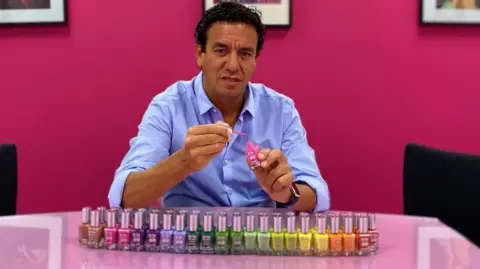
BBCOne of Britain's last family-run make-up brands has been bought out of administration by cosmetics rival, Warpaint.
Barry M, which was set up in north London in 1982 by Barry Mero, collapsed earlier this month.
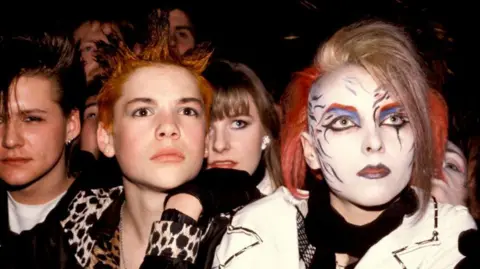
Inspired by the punks and New Romantics of that era, analysts said Barry M had struggled to continue innovating and been overtaken by competitors.
The £1.4m takeover by Warpaint will see the closure of Barry M's factory in the capital and puts 100 jobs at risk.
Barry M had been a favourite of make-up fans and drag queens for its eye-catching colours.
It is stocked in around 1,300 shops across the UK, including Superdrug, Boots, Sainsbury's and Tesco.
Patrick O'Brien, retail research director at analytics firm GlobalData, said Barry M had failed to innovate and had instead been "more reactive".
He told the BBC the company had also struggled as, despite being stocked in well-known retailers, it faced increasing competition from other brands at similar prices.
O'Brien said Barry M had become "a small brand in a sea of new and fun names, which are generating traction through social media marketing".
Mintel analyst Clotilde Drape said Barry M's challenges reflected a broader shift in the beauty industry.
The market has been reshaped by celebrity and influencer-led brands such as Rihanna's Fenty Beauty, Hailey Rhode Bieber's Rhode and Selena Gomez's Rare Beauty, which offer "emotional connections and community", she said.
Drape added that make-up trends have shifted from "bold, pigmented looks", Barry M's strong suit, towards "skin-first finishes, hybrid products and sheer, dewy aesthetics".
"While bold makeup is making a comeback, consumers now seek brands that combine innovation with skin-enhancing formulations, as seen in K-beauty," she said, referring to the growing market for Korean beauty products.
Since Mero's death in 2014, Barry M has been run by his son, Dean Mero.
Speaking to the BBC in 2022, Dean said his father had been hoping to target the punks and New Romantics of the early 1980s.
His father reasoned that these people were looking for "the blacks and the blues and the greens and the yellows", but why not offer more than that?
He remembers his father saying that no other make-up company had produced 100 colours and Barry M would become the first to reach that goal.
 Getty Images
In the year to 28 February 2025, the most recent for which figures are available, Barry M reported sales of £15m.
Alongside the deal, Warpaint also provided a trading update in which it said full-year profits would be lower due to a "challenging consumer and customer environment" as well as US tariffs.
It said the levies, announced by US President Donald Trump, resulted in a £2m hit to its business as "uncertainty earlier in the year" led to "stalled momentum in the US".
While sales for 2025 are expected to be higher at £105m, compared to £102m in the previous year, underlying profit is forecast to fall from £25m to £22m.
Warpaint said taking over Barry M would increase its sales by expanding its reach in stores.
The company owns a number of cosmetic and grooming lines including W7, Technic and Man'stuff.
The Barry M deal, which is subject to court approval, follows Warpaint's acquisition of other brands last year, including Fish Soho and Dirty Works.
