Wind farm approved despite grouse impact fears

 BayWa r.e.
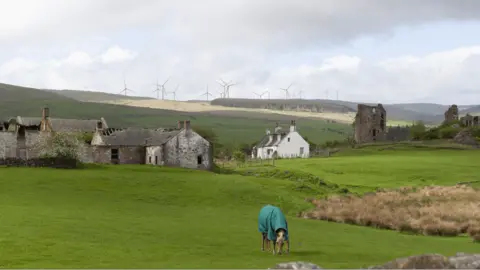
A 10-turbine wind farm with the capacity to generate power for 58,000 homes has been given the go-ahead on land near Sanquhar in southern Scotland.
Scottish ministers approved plans for the Cloud Hill project, which is expected to provide £280,000 annually for a community benefit fund during its 35-year lifespan.
Four turbines were removed from the original proposals, following consultations with residents, Dumfries and Galloway Council and environmental bodies.
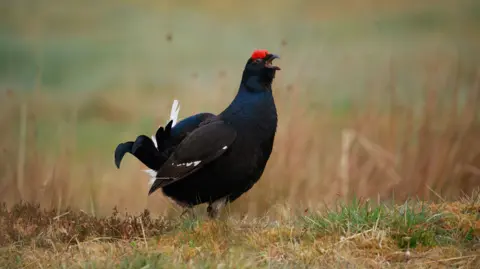
RSPB Scotland had objected to the plans due to concerns over their impact on black grouse but the Scottish government was satisfied that mitigation measures meant the scheme was acceptable.
 Getty Images
Developers, BayWa r.e, said the wind farm was expected to contribute about £38m in business rates over its lifetime for local services and infrastructure, while creating more than 90 jobs during construction.
Jenni McLeod, project lead for Cloud Hill wind farm, said: ''Once built, it will generate clean, renewable energy and deliver lasting benefits to Dumfries and Galloway, supporting local jobs and businesses, funding community projects, and enhancing habitats and outdoor spaces."
RSPB Scotland had raised concerns of the potential impacts on the status of red-listed black grouse and breeding curlew.
Developers relocated the substation in a bid to "reduce visual and environmental impacts", and ministers were satisfied with biodiversity enhancement and bird displacement plans being undertaken.
These include 400 hectares of land improvements to support species including black grouse and wading birds, as well as peatland and wetland restoration and native tree planting.
Matt Lammie, who chairs Kirkconnel and Kelloholm Community Development Trust, welcomed the approval.
"Through the community benefit fund's long-term investment, local projects will be supported, and the project will also deliver environmental improvements to help protect the area we all care about," he said.
Construction work is expected to start in 2028.
