New zoo boss reveals plan to win back public trust

 BBC
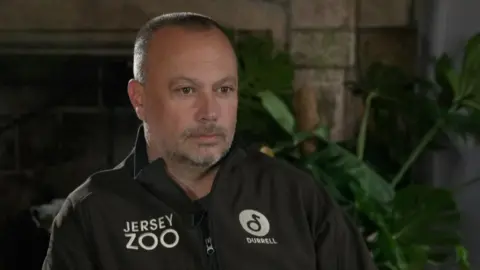
BBCJersey Zoo's new boss says the venue could focus on endangered species rather than crowd-pleasers as he looks to overcome the site's challenges.
Mark Habben, who took over as director in January, acknowledged his arrival came at a tough time for the organisation.
The site has faced a drop in visitors - from 209,474 in 2023 to 175,940 in 2024 - a £4.8m deficit and concerns about animal welfare and bullying allegations, claims the zoo denies.
Habben told the BBC he wanted to create a "masterplan" to rebuild trust in the zoowhich included filling up empty enclosures and getting rid of some species, like meerkats, which did not have a specific conservation purpose.
Habben said it was the job of a lifetime for him as the zoo's founder, Gerald Durrell, was a hero of his.
He will oversee operations at the zoo, leading the animal teams and working closely with the Durrell Wildlife Conservation Trust projects abroad.
Habben said part of his role is paving the way forward from recent difficulties, although he said earning public trust would come with time.
"Every organisation goes through periods in their life or in their timeline that are challenging," he added.
"But that doesn't define who we are."
Alongside improving the zoo's reputation, Habben wanted to look at its future.
In five years' time, he hoped the zoo would be filled with animals which represented the work the trust does globally.
He admitted this might involve removing some species which were not endangered.
He said: "Meerkats would be quite a strong example of an animal that I'd wonder what the role of a meerkat is.
"At some point, I think I probably would [get rid of them].
"I think that's as fair as I can say at this moment in time."
He said there might be similar "social, gregarious" animals which are a better fit for the zoo's mission.
He said he would like to house species which were not showcased as much, including invertebrates and freshwater fish.
Habben said from what he had seen so far, the zoo's animal welfare standards were "excellent".
The BBC received reports from a source close to the zoo 72 animals had died in the last 18 months, including during the Pasturella outbreak in the bat enclosure and the sudden death of a female sloth.
When asked about this number, Habben said the data was not completely correct and was actually relevant to a two-year period.
He said the vet team had found many animals were living longer, which comes with health issues and might lead to them being put down.
He said: "It does look concerning, but when you look at it on a case-by-case basis, everything is relative to the number of animals that we had and that were born.
"Where we're at now and where we're moving to, I'm certainly not worried at all."
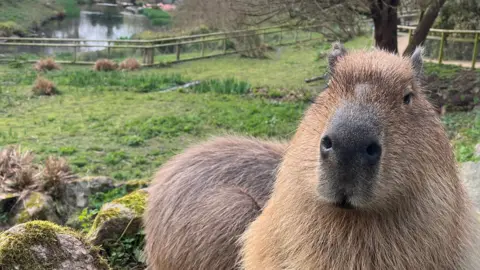
He added his priority had been making sure the zoo was "accessible for everyone" and did not have "loads of empty enclosures".
He said there were lots of projects on the horizon, including the opening of the new gorilla enclosure in the spring.
Habben said he was "definitely ready" to handle scrutiny from people who love Jersey Zoo, particularly on the island, and wanted to do the venue's legacy "justice".
"I'd really embrace what people think about the zoo and what it means to them, what it has meant to them and what it could mean in the future as well," he said.
Follow BBC Jersey on X and Facebook. Send your story ideas to channel.islands@bbc.co.uk.
