LTNs cut road casualties in half, campaigners say

 BBC
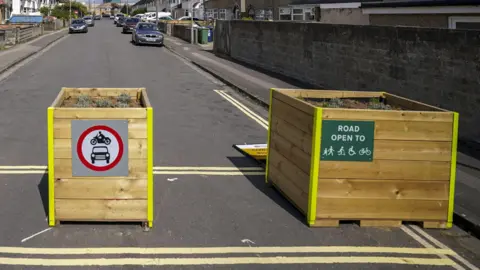
BBCThe number of people killed or injured near three traffic filters has fallen by up to half since their installation, according to local campaigners.
Data collated by the Coalition for Healthy Streets and Active Travel (CoHSAT) found that 33 people had avoided injuries from road crashes around the site of Low Traffic Neighbourhoods (LTNs) in Cowley over the past three years.
LTNs, which involve restricting roads to virtually all through-traffic, were permanently installed on six roads in east Oxford and Cowley in 2023.
But taxi driver Sajjad Malik, who is opposed to the filters, said the figures were "not rocket science" as it was "difficult to have accidents on roads with no cars on".
"I'm sure the picture would be very different if they looked at all the surrounding main roads that the traffic has been displaced on to," Mr Malik, who is also an independent councillor representing Temple Cowley, said.
'No comparison'
The latest figures, which were collated by CoHSAT using Thames Valley Police and Department of Transport figures, found the Cowley LTNs had saved more than £3m since being installed - on top of preventing an estimated 11 casualties a year.
Across the city's six LTN sites, the campaign group said a total of roughly 69 casualties had been prevented.
"I think a few minutes on somebody's drive is worth it to save 20 people being injured a year, I mean there's really no comparison you can make," CoHSAT co-chair Robin Tucker told the BBC.
He said the data "ties up with reports of what people on the streets say... it's made their lives a lot easier".
Councillor Andrew Gant, who is transport chief at Oxfordshire County Council - the authority behind the LTN scheme - said the figures were "striking".
"It's a very clear indication of what happens when you reduce the amount of incidents between those road users - the roads are safer," he said.
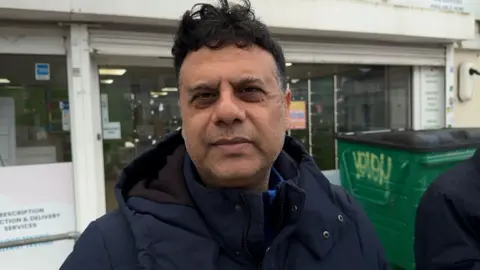
But Malik disagreed, saying local people were "still angry" and the public was "still suffering" as a result of the filters.
He said the majority of casualties around the LTN sites before their installation had been caused by "heavy vehicles like lorries and buses", but pro-filter campaigners had "taken up the war with the motorists and cars".
He added the LTNs caused "chronic congestion, pollution, and acute road danger" along major routes near the filters.
Local resident Areef Suhail echoed a similar sentiment when speaking to the BBC, saying the LTNs had "created hell for everybody".
He said it was "never as congested and polluted as it is now", adding that the filters had "thrown every bit of traffic" onto major routes with the council thinking "that had solved the problem".
You can follow BBC Oxfordshire on Facebook, X, or Instagram.
