Patrols to save toads during breeding season

 PA
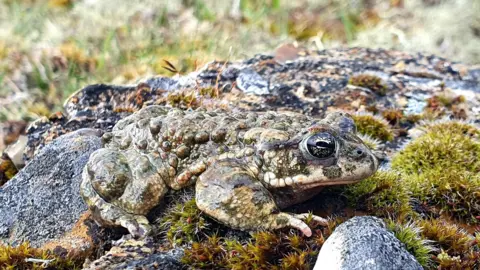
PASpecial patrols are being staged along roads in Warwickshire to try and save toads from being run over during breeding season.
The amphibians return to the same ponds they spawned in year after year, but many of these pools are now near highways that put their lives in danger.
To help save them, members of the Warwickshire Amphibian and Reptile Team (WART) are installing toad ladders on kerb sides, so they do not get stuck in drains and gullies.
Ben Wood from WART said "We've not only got the cars flattening them on the roads, but they're also being trapped by this very efficient pitfall trapping system that we're setting up to catch rainwater."
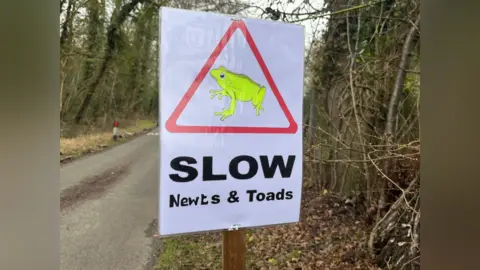
Unlike frogs, toads cannot jump or leap, which means that even if they manage to cross a road, they may still be unable to climb the kerb on the other side.
"They will follow along the kerb until they get to somewhere they can climb out or to a hole in the ground that's full of water, and a lot of our roads are full of... gullies and there's no way out for amphibians." Wood said.
WART works with the national charity Froglife, which provide specially designed ladders that can be placed where toads are likely to cross a road so that they can climb up safety.
There are seven registered crossings that toads are known to use, but Mr Wood believes there are likely to be more that WART is not aware of.
"Our volunteers go out at night this time of year with torches and hi-vis jackets, and they will pick up toads they see on the roads and carry them to the other side.
"They'll also be checking down those gullies and rescuing any amphibians they find trapped at the bottom."
Follow BBC Coventry & Warwickshire on BBC Sounds, Facebook, X and Instagram.
