How did mass teetotalism change Victorian London?

 Historic England
For many, the first month of the year is a time for Dry January, with participants challenging themselves to abstain from alcohol until February.
With numerous freezing January days still to come, some may already find themselves flagging.
However, Londoners who are struggling to persevere could simply look at the city around them if they are in need of some inspiration.
During the 19th Century a major social movement spread across the UK, where millions pledged themselves to a life of teetotalism - and in doing so had a major impact on the places around them.
 Corbis via Getty Images
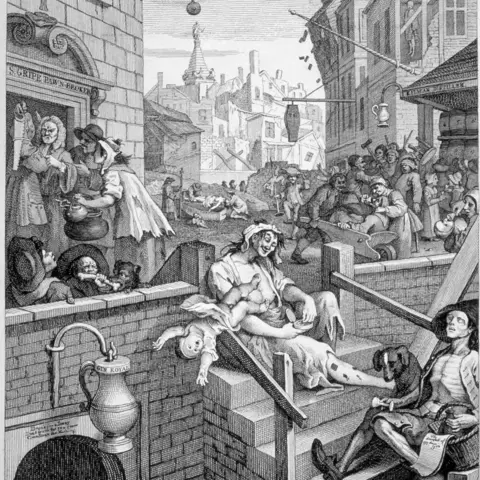
With alcohol abuse being blamed for widespread poverty and social issues at the start of the 1800s, reformers began turning against booze.
Temperance societies appeared in the 1830s, formed by people who committed themselves to a life of abstinence, while also helping those affected by drink and advocating for restrictions on alcohol.
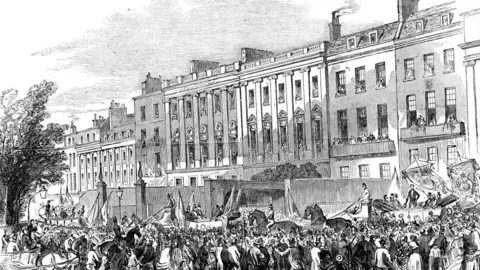
Over the century millions would sign the same pledge as part of attempts at self-improvement, turning the Temperance movement into one of England's largest social campaigns of the time.
 Universal History Archive via Getty Images
With a demand for spaces that people could use which were cut off from the demon drink, an alternative world offering goods and services was created.
Alcohol-free concert halls were created to provide entertainment, while coffee taverns offered a different place to go to a trip to the pub.
People could even visit hospitals which took in only those who avoided alcohol or get life insurance from firms that dealt only with teetotallers.
 Historic England
At the movement's height between 1880 and 1914 there were some 500 Temperance hotels around the country, with many of those in London.
Over time many spaces like these have been demolished and lost.
However, a new book called The Built Heritage of the Temperance Movement: 'The Way Out of Darkest England' by Historic England's Andrew Davison reveals how this hidden historic world can still be seen in Britain.
Davison says his research has "revealed one of the most remarkable but forgotten chapters in English social and architectural history.
"The Temperance movement created a parallel world that touched every aspect of Victorian life, yet the origins of these buildings have become invisible to us."
 Historic England
In the book he points to several examples which can still be found in the capital.
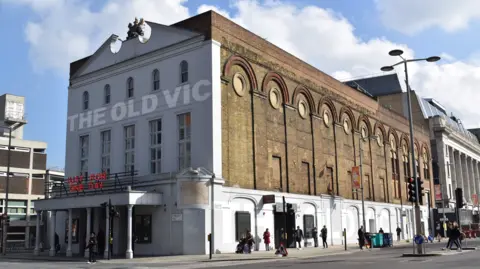
While hundreds visit it nearly every day, many are unlikely to realise that The Old Vic theatre played a major part in the push for teetotalism.
Having first opened in 1818, it was taken over by social reformer Emma Cons who transformed the famous venue in 1879-80 into the Royal Victoria Coffee Music Hall, which brought "purified entertainment" free from alcohol to working-class audiences.
 Historic England
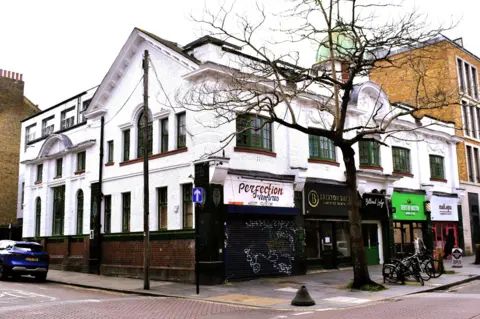
Further south, is Brixton Temperance Billiard Hall, one of over 20 such places built around the capital by the same firm, Temperance Billiard Halls Ltd.
Combining billiards with cafés and shops, the venues offered an alternative for working people to the pub-based leisure culture of the time.
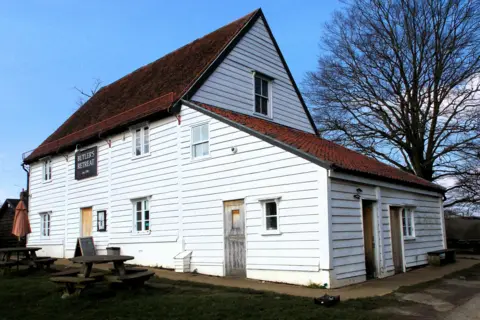
East of the city is Butler's Retreat in Chingford, which was transformed into a site non-alcoholic refreshments for visitors to the Epping Forest during the period.
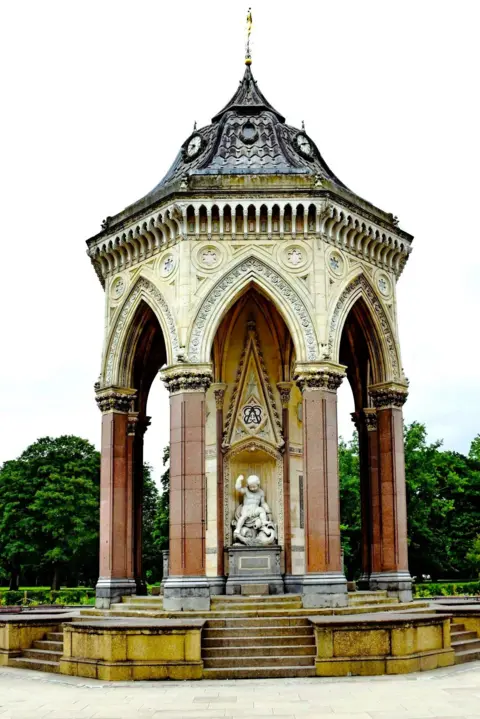
Even public water fountains, such as the Burdett-Coutts Memorial Drinking Fountain in Victoria Park, highlight the efforts made by reformers to provide clean water to people as an alternative to beer.
For Davison all these spots are important reminders of a major yet forgotten moment in Britain's past.
"Every surviving Temperance building connects us to ancestors who believed passionately that they could change society for the better," he says.
Listen to the best of BBC Radio London on Sounds and follow BBC London on Facebook, X and Instagram. Send your story ideas to hello.bbclondon@bbc.co.uk
