River dredging licence quashed by High Court

 BBC
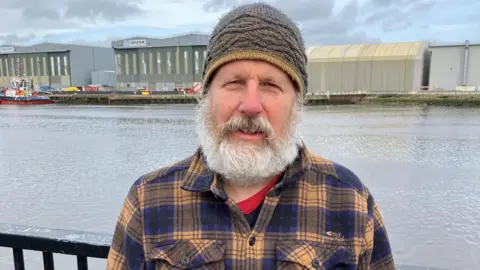
BBCThe High Court has quashed a licence for the dredging of the River Tees in north-east England which a campaigner fears was responsible for a number of seal pup deaths.
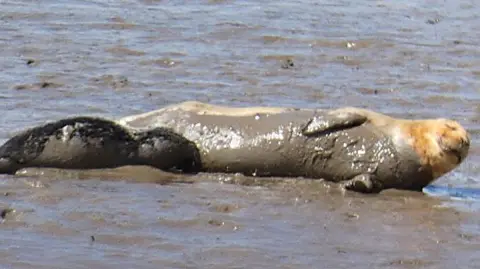
Dr Simon Gibbon says the "tragic" losses in the colony could be connected to the disturbance of industrial contaminants during maintenance dredging.
His High Court challenge has led to the quashing of a ten-year licence to carry out the dredging - though the order will be suspended for a year.
The government's Marine Management Organisation (MMO), which grants the licence to the port and shipping company PD Ports, said it agreed not to put up a defence against the challenge and was liaising with the those involved.
All parties agree the process of dredging is vital for industry.
It involves removing sand drifting in from the sea which, if not taken away from the river bed, could block access to shipping.
The removed material is then disposed of at a site in the North Sea.
Gibbon, a member of the North East Marine Research Group (NEMRG), sought a judicial review, arguing the licence needed more precise information on the areas of the Tees safe to dredge without disturbing potentially hazardous sediment.
He said the seal deaths were a "canary in the mine" indicating potential risk.
"Twenty two seal pups born and roughly 22 pups died - it's just tragic," he said.
"It's almost invisible because you see the adult seals and you don't notice what's happening below the surface."
Gibbon said high levels of pollutants were found in seal pups and dredging could explain how the toxins had been released into the environment.
 Tara Seal Research
Although the dredging process is carried out by PD Ports, the legal action was brought against MMO.
The government body is now required to carry out a full redetermination of the licence to dredge.
Tees and Hartlepool harbour master for PD Ports Captain Paul Brooks said: "For the next 12 months we can carry on doing what we're doing but there are extra steps involved in reapplying for our licence so we can continue beyond that.
"I'm confident that we will do what is required to get a disposal licence and continue maintaining the river."
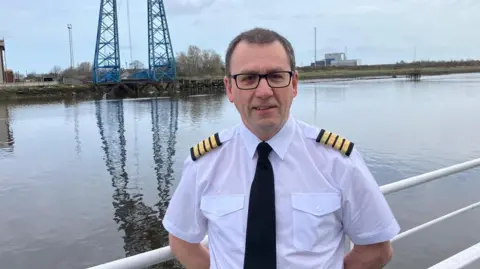
Brookes said the company did not believe there was a connection between the seal deaths and the disposal of material at sea after dredging, but the company would support further research.
He said the sampling of sediment was set by international guidelines and a plan is agreed with the MMO.
However, Gibbon claims the number of samples of dredged sediment was too small to establish the actual level of contamination within it.
In a statement, MMO said: "We have carefully considered all the evidence and agreed not to defend this case.
"We continue to liaise with all stakeholders involved in any licensing applications submitted in relation to the River Tees."
