Dry January drives London's thirst for low and zero alcohol drinks

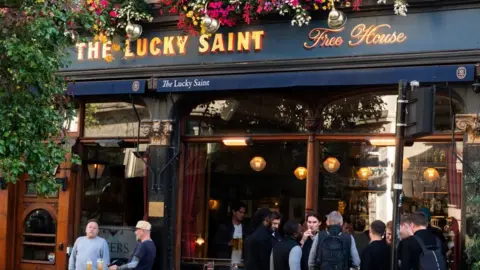 Lucky Saint
As Dry January gains momentum across the capital, Londoners are increasingly turning to low and zero alcohol drinks – and businesses are keen to meet the demand.
Figures from Alcohol Change UK show that 41% of people in Greater London planned to take part in Dry January this year, compared with a 32% national average.
But the trend extends beyond the month itself with 23% of people in the capital wanting to drink less throughout 2026, while 42% say they have become more concerned about the long-term health impact of alcohol.
According to the figures, 70% of London drinkers have tried to moderate their alcohol intake – significantly higher than the 52% seen across the UK.
One Bermondsey brewery believes it is well placed to cater for this change.
Small Beer Brewery bills itself as the world's first brewery dedicated to lower‑alcohol beer, producing drinks of up to 2.8% ABV – roughly half the strength of a typical pint.
Its beers are sold online and offered to visitors in its taproom every Saturday.
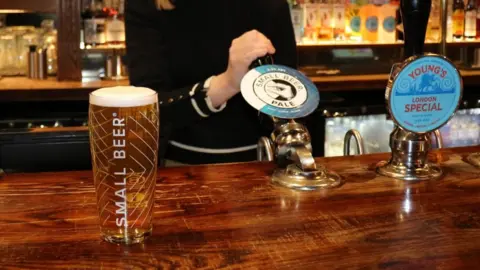 Small Beer Brewery
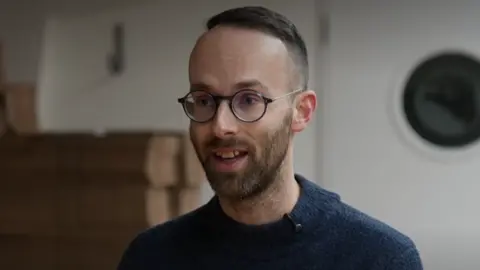
Felix James, co-founder of the brewery, said: "At the back of the pandemic, we certainly saw that people as a whole were moving towards moderating their alcohol intake.
"I think this is really integrating into a wider societal shift where people are looking to moderate and for that to fit in with the rest of their lifestyle."
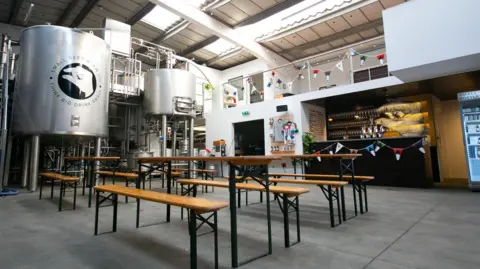 Small Beer Brewery
Industry conditions are also evolving. The UK's reformed alcohol duty system, introduced in August 2023, means lower‑strength drinks attract lower tax rates, while draught products under 8.5% ABV can qualify for further reductions if they meet specific criteria.
Alcohol Change campaigner Joe Marley said: "We're really lucky now that there are so many fantastic alcohol-free options available.
"In fact, I think actually nine out of 10 pubs offer a low or no alcohol option.
"So I think it's brilliant to see so many pubs that are embracing the Dry January challenge, not just in January actually, but throughout the year."
Despite this progress, low and no-alcohol beer still accounts for just 2% of the overall beer market, even though the sector is expected to be worth £800m by 2028, according to global drinks data company IWSR.
However, it is not all plain sailing for low and zero alcohol brewers as price, taste and visibility on the bar remain challenges for producers.
The Lucky Saint pub in Marylebone is run by the alcohol‑free beer brand of the same name, which describes itself as being "on a mission to finally reward those not drinking with the beer they deserve".
The venue sells both alcoholic and non-alcoholic drinks, with the aim of appealing to both kinds of customer.
At the pub, manager Nate Roberts said: "I think we're seeing more and more people moderate through the year and doing Dry January, and having a pint of Lucky Saint on draught really means you can still be a part of that social interaction."
Meanwhile, one of London's few fully alcohol‑free bars, the Club Soda Tasting Room on Drury Lane in Covent Garden, is set to close this month.
The non-alcoholic bar and bottle shop, which opened in 2022 as part of the mindful drinking brand Club Soda, will close on 25 January.
In a statement shared on Instagram, the team said: "We're at the end of our lease and the landlord needs to finally sort some long-standing drain issues."
However, they added: "We're already on the hunt for a new home for the Tasting Room."
The shift towards more moderated drinking in London is not new, but has instead been steadily on the rise.
In 2022, about 24% of Londoners said they would take part in Dry January.
That number has continued to grow over the past five years, reaching this year's 41%.
Listen to the best of BBC Radio London on Sounds and follow BBC London on Facebook, X and Instagram. Send your story ideas to hello.bbclondon@bbc.co.uk
