How to avoid breaking down in extreme weather

 Getty Images
Drivers should be prepared for forecast thundery showers following the recent heatwave, a motoring organisation has said.
The Hampshire-based AA said it saw an increase in roadside recoveries due to extreme heat, with flat batteries, cooling system breakdowns and tyre trouble among recent issues.
During what is on course to be the hottest summer on record, warmer road surfaces, long journeys and vehicles heavily loaded with luggage were blamed for an increase in calls.
The Basingstoke-based company said hard ground could mean considerable surface run-off during sudden heavy rain in coming weeks.
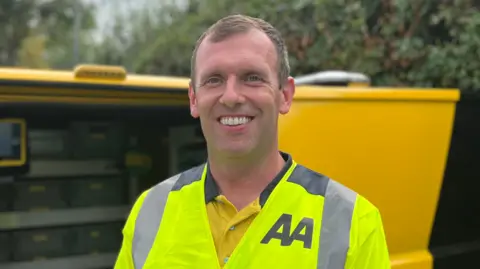
On patrol in the Windsor and Maidenhead area of Berkshire, the AA's Lee Morley said: "Conditions can change incredibly quickly when a thundery downpour hits.
"After such a long spell of hot and dry weather, drivers may not be expecting roads to suddenly become covered in surface water or even flooded, so they need to be ready to adapt quickly," he added.
"Slow down, increase the distance between you and the vehicle ahead and avoid sudden braking or sharp steering."
He told people to never risk driving through floodwater, which could gather quickly because of the hard ground.
"If water looks too deep or is moving, turn around and find another route," Morley added.
"You cannot always tell how deep it is from behind the wheel, and there could be damage or other hazards hidden underneath. A short delay or diversion is always preferable to putting yourself, your passengers or your vehicle at risk."
 Getty Images
Analysis from the AA found that one in 10 breakdowns in hot weather were potentially avoidable, while more than a third of its calls were linked to driver awareness issues like flat batteries, using the wrong fuel or charging issues in electric vehicles.
Holiday traffic can also play its part causing additional heat in the clutch and transmission components.
Morley said drivers can prepare themselves.
"Travelling at this time of year with the heat we advise carrying at least a litre of water per person in the vehicle," he said.
"Checking the engine oil, coolant levels, tyre pressures - little bits and pieces like that can help prevent a breakdown."
