Autism charity's plea for puppy-training volunteers

 BBC
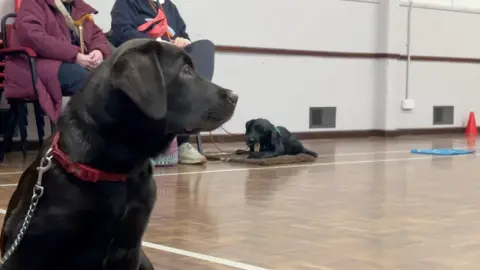
BBCA charity that provides service dogs free of charge to people with autism has said it is desperately seeking new volunteers who can raise a puppy for a year.
Hampshire-based organisation Dogs for Autism matches 15 dogs a year to help people lead more confident and fulfilling lives.
But it said the expected cohort of new arrivals could have nobody to take them on.
Training development manager Allie Stubbs said the dogs give the charity's service users the confidence to try new things, such as using public transport, for the first time.
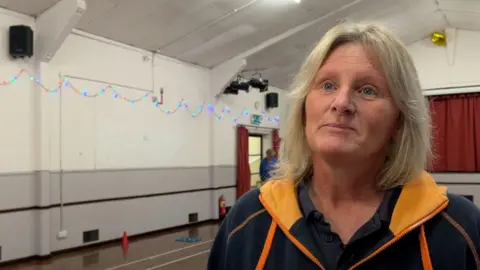
The charity, founded in 2019, relies on volunteers to raise a puppy for the first year of their lives for basic training, before they go on to be trained specifically to be a service animal.
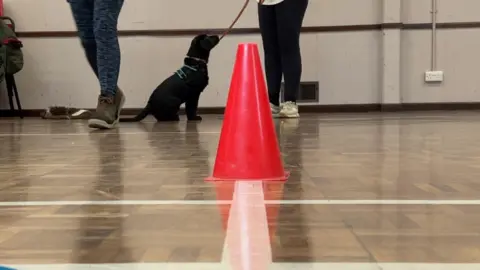
"The training we do at the minute looks at the puppy being flexible and adaptable, coping with any situation," said Ms Stubbs.
It includes basic lead work, sitting and staying, as well as working in busy social environments without becoming distracted, she said.
Ms Stubbs said when the dogs were eventually placed with someone with autism, they can help them take on new challenges.
"People grow hugely in what they're doing," she said.
"They might be going to work, they might just go on a bus or public transport for the first time in their life.
"Having that dog by their side gives them that security.
"A lot of people with autism struggle in busy environments, so we train our dogs to find the exit.
"If things become overwhelming, they can actually say 'find the exit' and the dog will take them out."
Ms Stubbs said the charity "absolutely depends" on volunteers, but that it takes a "special person or family" to do the job.
"It may be that they're on a sabbatical, that they work from home or they're raising a young family," she said.
"If they already have a dog, that can work well, because puppy learns from that dog - providing it's a well-behaved dog."
