Who is responsible for keeping hotel guests safe?

 BBC
BBCThe conviction of a man for sexually assaulting a guest after gaining access to her Travelodge room has raised serious questions about safety at hotels.
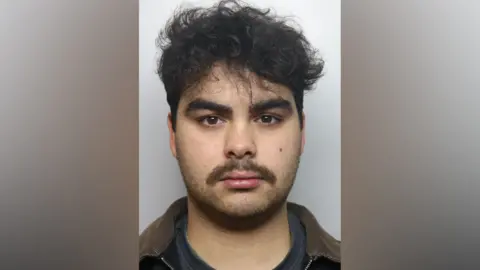
Travelodge said it has made "immediate changes" to its door key policy. It came after it emerged reception staff at the Maidenhead branch gave 29-year-old Kyran Smith a key card to the woman's room after he falsely claimed to be her boyfriend.
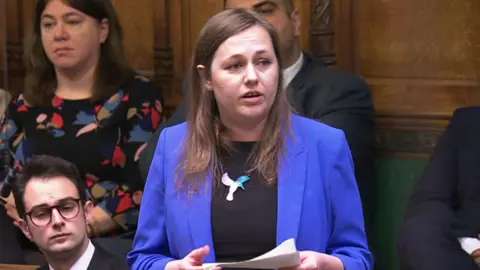
The Minister for Victims, Alex Davies-Jones, said on Wednesday she was "shocked" to learn there was no shared guidance around safeguarding for those staying in hotels alone.
She said ministers across government would meet to discuss what it could do to ensure best practice across the industry to keep people safe.
So who is currently responsible for ensuring the security of guests while they stay in hotels?
 Thames Valley Police
Speaking on BBC Radio Berkshire, MP Matt Bishop said: "We don't believe there's any sort of regulator or industry standard that we can find. We're going to push for that change."
He said he would be introducing a 10-minute rule bill in Parliament and that ministers were "keen to get something through".
It is rare for such bills to become law without government support, but Bishop said it would "give us an opportunity to put it on the agenda".
As the law stands at present, primarily, the hotel and its management are responsible for the safety of guests.
Each hotel, or chain, will have its own security policy which staff should abide by.
The safety of both staff and guests are legally enforced by the Health and Safety at Work Act 1974.
Specifically, Section 3 of the act states that employers are to act in a way that ensures "as far as reasonably practical... that persons other than themselves or their employees (such as guests) are not exposed to risks to their health or safety".
The act is legally enforceable by the Health and Safety Executive (HSE) and local authorities, with councils primarily responsible when it comes to hotel and retail premises.
 Getty
GettyLocal authorities have the power to enforce health and safety legisation by inspecting hotels.
Under licensing laws, local authorities can also review a hotel's license to operate.
The BBC understands that authorities prefer to wait for information provided to them by the police before taking enforcement action.
This is so they have a full picture of the case and access to evidence that would enable them to conduct an effective investigation.
The hotel where the incident happened falls under the Royal Borough of Windsor and Maidenhead (RBWM).
When the BBC approached both Thames Valley Police and RBWM, they said investigations were still in progress.
RBWM said: "This incident has been shocking, and it's right that Travelodge has made changes to their security policies.
"As the enforcing authority for health and safety in hotels... we are assessing the information available to us and will take action where appropriate."
 House of Commons
The BBC asked Thames Valley Police whether it had made any recommendations to the local council regarding enforcement.
It replied that it had "worked closely with Travelodge management and Travelodge's police liaison officer".
"Now that Kyran Smith has been sentenced and this work is done, we are reviewing where lessons could be learned via various agencies and liaison with the council is one aspect of this," it added.
Industry body Hospitality UK said: "Keeping our guests and staff safe is hospitality's number one priority and a responsibility it takes extremely seriously.
"We continue to work with our accommodation members to ensure the security standards in place are as robust as possible, share best practice across the sector and learn where the sector can further strengthen those procedures."
Travelodge CEO Jo Boydell apologised to the victim on behalf of Travelodge in a statement on Sunday and said their changes would ensure additional or replacement keys were only issued with permission from the person staying in the room.
"We got things wrong and we should have acted sooner and I am truly sorry for that," she said.
Davies-Jones said the government would consider whether new legislation would be needed, or whether safeguarding could be improved through "regulation and guidance... but nothing is off the table".
She said the victim's bravery had been "incredible... shining a light on this issue you have raised awareness and potentially changed policy to ensure other women will hopefully never have to go through this".
