Cliffs just as magical after the birds have flown

 BBC
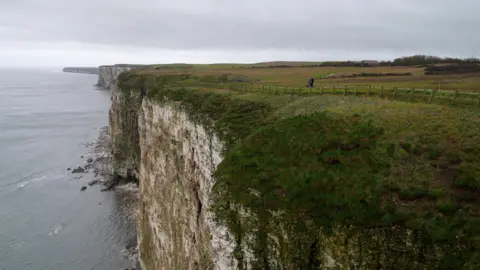
BBCIt is one of the UK's most spectacular wildlife destinations – a haven for seabirds such as puffins and gannets and a magnet for thousands of visitors.
But what happens at RSPB Bempton Cliffs during the winter months, when the birds have flown and the crowds have gone too?
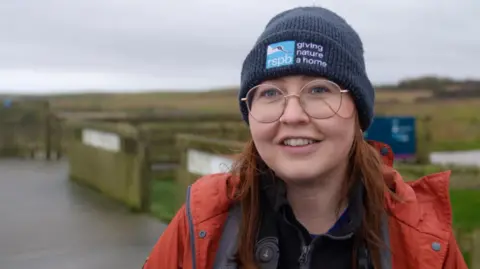
Ivan Nethercote, of the RSPB, says the beauty spot on the East Yorkshire coast is quieter, but just as dramatic.
"The big numbers of people who come for rare birds tend to be during migration, through to October really," he explains. "This time of year, it's a lot calmer."
Winter brings its own wildlife highlights – from hardy coastal birds to the occasional porpoise or seal offshore – and the staff are kept busy in plenty of ways.
They spend winter making repairs and planning for spring.
And Ivan says winter storms here on the east coast can be breathtaking.
Visitor numbers were up by about 30% over the course of 2025, with 91,667 between January and June alone.
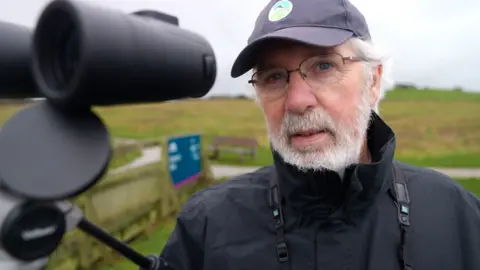
Poppy Rummery, the reserve's visitor experience manager, says there are still reasons to come at this time of year.
"Everybody thinks of Bempton Cliffs as being that summer destination – the seabirds, puffins, gannets – but there is something unique and very special about winter here.
"We get people coming in to use the cafe, sampling the cakes – which I can probably recommend most of, because I've had to try them all.
"But the views are spectacular and even now we see dolphins, gannet fly-bys, tree sparrows and fulmars. There's something to see all year round."
About half a million seabirds gather between March and August to raise a family on the towering chalk cliffs, according to the RSPB, which describes the reserve as "England's largest seabird city".
This year has also seen the launch of a pioneering Shorewatch scheme to monitor marine mammals.
The data will help shape future conservation efforts along this rugged stretch of coastline.
"The science that goes into the collection really helps inform the future conservation of animals and the coast here," adds Ivan.
On a chilly winter's day, it is likely that the people will be harder to spot than the wildlife, but one couple have come all the way from Nottinghamshire – despite the wind and rain.
Both are well wrapped up in their wet weather gear.
"We've got good coats and boots, so we're quite happy to come out when there are no other people," explains Ian Smith.
Another braving the cold is Linda McKenzie, one of Bempton's dedicated volunteers.
"It's a miserable day," she says with a laugh as she takes shelter in the visitor centre. "But there's still plenty going on – dolphins, seals, even the odd porpoise."
For Linda, the views alone are worth her weekly trip to the reserve.
And come rain or shine, the work of conservation – and the magic of this coast – never really ends.
Listen to highlights fromHull and East Yorkshire on BBC Sounds, watch the latest episode of Look Northor tell us about a story you think we should be coveringhere.
Download the BBC News app from the App Store for iPhone and iPad or Google Play for Android devices
