Taxi drivers taking 'huge hit' as fuel prices soar

 ANDY RAIN/EPA-EFE/REX/Shutterstock
Taxi drivers have taken "a huge hit" as the price of petrol has soared, triggered by the current conflict in the Middle East.
David Lawrie, director of the National Private Hire and Taxi Association (NPHTA), said cabbies have been left with no alternative but to absorb the rise, as fare prices are set by the local authority meaning drivers are unable to pass on the higher costs to passengers.
Since the start of war in the Middle East, average petrol prices have risen to 139.64p a litre, according to the RAC.
As prices rise, Lawrie said taxi drivers are experiencing a surge in demand - with people leaving their car at home and using taxis instead - "but we need fuel as well".
'No choice'
Formed 25 years ago, the NPHTA represents the taxi industry, and works to improve standards and safety for drivers and passengers alike.
Lawrie, a former taxi driver from Rossendale, told BBC Radio Lancashire it "could take up to six months" before there is any adjustment to taxi fares to reflect the higher cost of petrol.
"In order for prices to be increased, the trade have to put a business case [forward] with the council, before a consultation and then a committee meeting," he said.
In the short term, drivers are left with "no choice" other than to pay for the fuel and carry on, he said.
"We're hearing a lot that forecourts are putting the prices up before they've had a delivery," he said.
"So they're increasing the prices, despite the fact that the stock they hold is at the previous price, and we're watching the prices go up massively day-by-day".
 Reuters
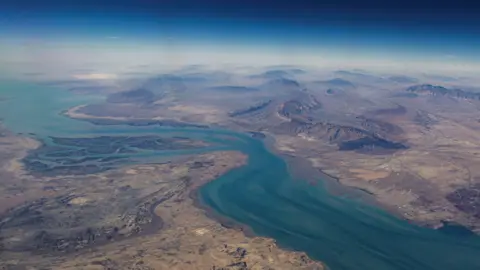
The Strait of Hormuz is one of the world's most important shipping routes and a crucial passage for the transit of oil.
About 20% of the world's oil, a key product in the production of petrol, passes through the strait.
Current threats from Iran to ships using the strait has led to its effective closure, and seen oil prices soar since 28 February when the US and Israel first launched wide-ranging strikes on Iran.
"When fuel prices go up, people are often far more likely to stop using their own cars and rely on the taxi industry instead," said Lawrie.
"But they don't realise we need fuel as well," he added.
Listen to the best of BBC Radio Lancashire on Sounds and follow BBC Lancashire on Facebook, X and Instagram. You can also send story ideas via Whatsapp to 0808 100 2230.
