Forcibly adopted man says mum 'was not conscious'
 BBC
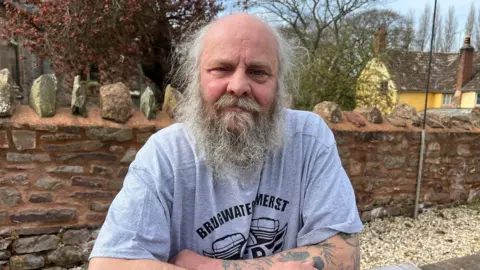
BBCA man who is believed to have been put up for adoption while his birth mother was still unconscious has backed calls for the UK government to apologise for forced adoptions.
Gare MacQuarrie met his birth mother in Scotland for the first time in February. He only began searching for her when Nicola Sturgeon apologised to those affected as it made him "change his opinion" of his birth mother.
A report published on Friday by Parliament's cross-party Education Committee said the government must apologise to all those affected by historical forced adoption.
A government spokesperson said: "This abhorrent practice should never have taken place and our deepest sympathies are with all those affected."
- If you have been affected by the content in this article, support and information can be found on the BBC's Action Line.
About 250,000 women in Britain were coerced into handing over their babies in the 1950s, 60s, and 70s because they were unmarried.
MacQuarrie, who was born in Scotland but lives in Somerset, said he knew he was adopted "from as early as I can remember" because of his adoptive parents' honesty but finally understood when he was a teenager.
Following Sturgeon's apology, MacQuarrie decided to start looking for his birth mother but said it was not an easy journey.
He was helped by Birthlink, a Scottish adoption charity which specialises in reconnecting families affected by adoption.
'The same lie'
Shortly before Christmas 2025, he found out his mother's birth name and they spoke on the phone for the first time.
"We both got told the same lie, that all our records were on paper and they got destroyed in a flood... which seems a bit coincidental to me," MacQuarrie said.
In February, he met her.
While MacQuarrie is in contact with his mother and three siblings - who he had no idea about - the circumstances of his adoption remain slightly unclear.
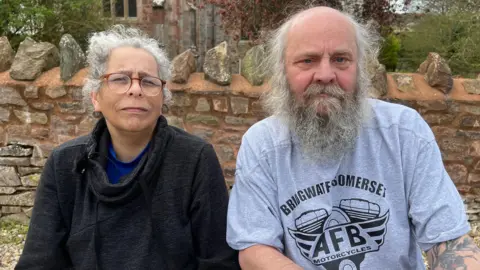
"I obviously know absolutely nothing about that, only what I've been told," MacQuarrie, who is in his 60s, said of his adoption.
"She said she was in hospital in plaster and social services said: 'You can't go back to that environment.'
"That was the end of the matter because you can't argue with them.
"She wasn't even conscious. She hadn't come round from the anaesthetic for giving birth, is what she said.
"And who am I to argue with her? At least I know where I came from. I don't really need to know the rest of it."
On Friday, the BBC covered the story of Vik Fielder, who said her mum, then 18, "desperately" tried to keep her after giving birth but she was forcibly put up for adoption.
'A lot happier'
MacQuarrie added Sturgeon's apology made him realise his mum, now in her 80s, "might not have had a choice in the matter".
He said in the last few weeks, since meeting his birth mother, he felt "a lot happier", but thought more could be done to help others who were in his past situation.
"This took about seven or eight years to do. I would like to think that other people will change their minds on what their actual circumstances were because they might not have had a choice in the matter and they should have had," he said.
"Adoption is a great thing for some people, and it would be a lot easier, I think, for children, if they could keep in contact with the people they're supposed to be with.
"I know it doesn't always work out that way, but you should have the right to at least know where you come from."
A government spokesperson said the issue of forced adoption was taken "very seriously" and the government would "continue to engage with those affected to provide support".
