Can camera glasses tell if we cheat on our diet?

 University of Reading
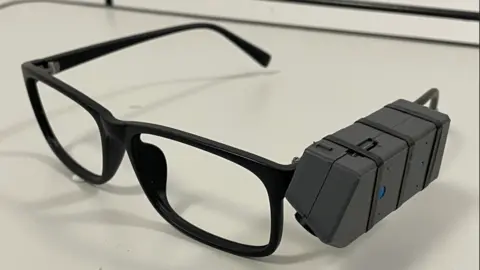
Camera glasses could show diet researchers what we are really eating and if we cheat on our diets.
The University of Reading trial aims to track what people eat and drink in their daily lives, with accuracy and reliability.
Registered nutritionist Christine Bailey explained that camera glasses extend existing clinical tools, such as using food photographs to support dietary assessment.
Leading the trial Professor Julie Lovegrove said: "Humans are not very reliable, especially when asked to remember snacking or portion sizes."
The proportion of adults classified as overweight or obese has steadily risen over the past decade, with the Health Foundation's 2025 analysis indicating that more than 60% of UK adults now fall into this category (including around 28% who are obese).
How does the trial works?
The study known as SODIAT-2 aims to recruit 133 adults across the UK to take part in a five-week program.
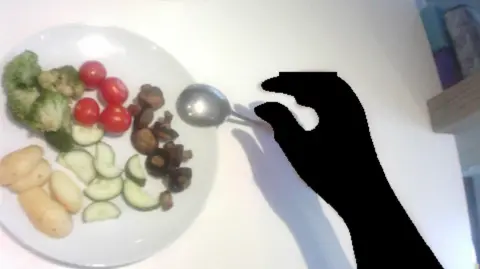
For up to 12 days, participants will wear camera glasses that automatically take photos of what they eat and drink.
The study will also collect blood and urine samples with easy-to-use kits which are returned by post and analysed.
They will be asked to report what they have eaten over those days using a short online questionnaire.
Then all participants will consume identical foods and drinks for three days, this will enable the team to combine both methods and allow them to find out the best way to study diets in real life.
What are the current problems diet researchers face?
Lead principal investigator from the Department of Life Sciences at Aberystwyth University, Dr Manfred Beckmann said: "One of the problems facing nutrition researchers is getting a true picture of people's eating habits."
Prof Lovegrove explained that currently nutritional research includes food diaries, questionnaires and 24-hour dietary recalls which she said are "not very reliable or accurate".
Bailey said: "Research consistently shows that self-reported food diaries are prone to recall bias, with people often misremembering what they ate, when they ate it, and portion sizes."
The university trial manager Dr Michelle Weech said: "By automatically photographing everything they eat and drink and measuring substances the body makes from food in their blood and urine - we will have dietary data we can really rely on."
What are the benefits of using camera glasses?
Bailey explained that wearable camera technology may "improve objectivity and offer valuable insight into eating behaviours and patterns" which she added "are not always captured through written food records alone."
Registered nutritional therapist in Windsor, Gemma Westfold said: "Humans can eat mindlessly on occasion, whilst scrolling on social media or while watching TV.
"When we are absorbed in other activities whilst eating, we can risk overeating, but more importantly, we can also switch off our ability to adequately digest and absorb the nutrients.
"These glasses used for a short period of time could identify behavioural patterns and help guide mindful eating which is key for all health conditions."
"It could make us feel like a food nanny"
Bailey told the BBC such tools are not for everyone.
She added: "For a small proportion of individuals, particularly those vulnerable to food anxiety or disordered eating, increased focus on food monitoring or quantity can become counterproductive and heighten preoccupation around eating."
Westfold explained it could create a difficult relationship between therapist and patient.
She said: "My line of work is based on relationships and making someone feel comfortable.
"Camera glasses could imply that as a nutritionist I don't trust my client, or believe what they are telling me."
"It could make us feel like a food nanny, policing our clients and damage that relationship because they are under constant surveillance," she added.
