Delaying news of high-value museum raid 'helps thieves'

 Avon and Somerset Police
A delay in announcing a large theft of artefacts from a museum has made it "easier for the criminals", according to an art recovery expert.
About 600 items were taken from Bristol Museum's British Empire and Commonwealth collection in two raids on its archive building in September.
Chris Marinello, a lawyer and CEO of Art Recovery International, said: "Why did we wait so long to bring it to the public's attention? By doing that it makes it easier for criminals to sell what they've stolen."
Police say the theft has only just been made public because a full audit of what had been taken needed to be carried out first.
Mr Marinello said: "Normally, it's not very easy when the press is all over a story. The more people that know about it, the harder it is to sell these types of things to respectable dealers.
"There comes a time when you need to publicise these thefts because the objects do not belong to a museum, they belong to all of us.
"The criminals are not looking to display them anywhere, they're looking to cash in as quickly as possible."
Avon and Somerset Police said the delay in announcing the theft had been to allow for a "full audit of the museum collection to establish what had been stolen, which has taken some time due to the size of it".
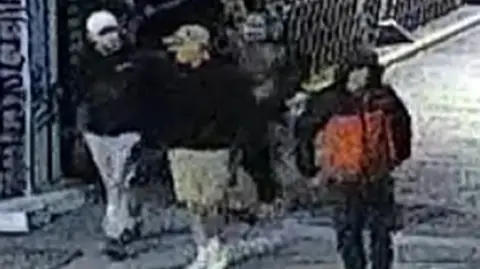
The force added officers had been studying CCTV footage to identify potential leads, and had also circulated the images "internally" to see if the suspects could be identified before an appeal was made to the public.
Police have been "working closely" with the museum since the burglary, it said.
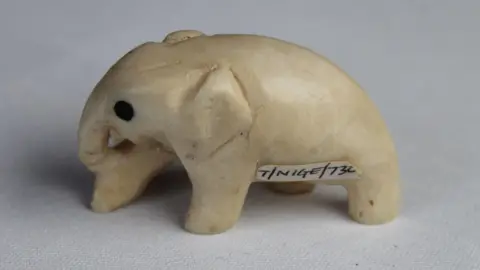
The stolen objects include decorative ivory, bronze and silver items, pieces of militaria and jewellery.
Mr Marinello said there were multiple routes that criminals could use to get rid of what they had taken.
He said: "They will try to sell them wherever they can, whether it's at a car boot sale, or whether it's some dealers that they know that are fences [buyers of stolen goods]."
An investigation into thousands of items stolen from the British Museum found that many had been sold for small sums on online marketplaces.
 PA Media
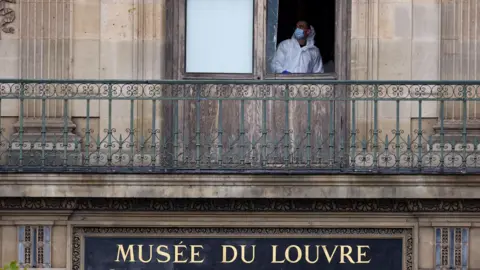
The Bristol theft follows similar incidents at museums in Exeter and Cardiff and comes two months after a high-profile break in at The Louvre in Paris.
"I think the Louvre case probably shows that even in a very big, high-profile national institution with a global reputation, it's incredibly hard to protect and safeguard these enormous collections, which take up a huge amount of space," said Simon Potter, professor of modern history at the University of Bristol.
 Reuters
'Open season'
"So this is perhaps a reflection of a much bigger set of problems that museums face, particularly in times of austerity, where funding for public institutions is at risk," he added.
"It's open season on Europe's museums, and that includes in the UK, and criminals know this," said Mr Marinello.
"There's not enough of a deterrent factor. I thought it was very apropos that these criminals [in Bristol] were using shopping bags, because they're treating our museums like a department store."
Det Con Dan Burgan from Avon and Somerset Police said the theft was a "significant loss" for Bristol.
"These items, many of which were donations, form part of a collection that provides insight into a multi-layered part of British history, and we are hoping that members of the public can help us to bring those responsible to justice."
Follow BBC Bristol on Facebook, X and Instagram. Send your story ideas to us on email or via WhatsApp on 0800 313 4630.
