Nurses help AI system learn how to understand Doric

 BBC
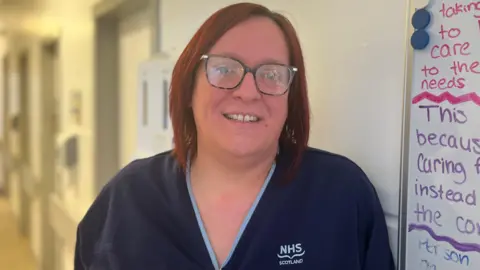
BBCNurses in Aberdeenshire are helping artificial intelligence (AI) technology learn the local Doric dialect.
The trial allows software to automatically generate structured clinical notes, after listening to conversations between nurses, patients and families.
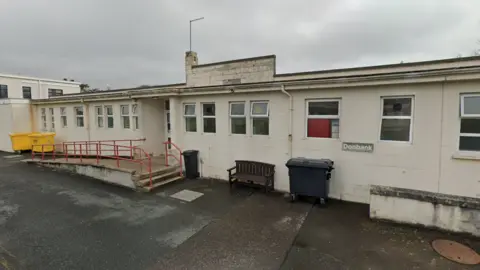
Under the initiative, which runs until May, the notes are then checked and edited by the nurses at Inverurie Hospital's Donbank ward.
The project's lead, Katie Anderson, admitted Doric could sometimes "confuse" the system, but said it was improving every day.
Anderson - who is senior charge nurse at Inverurie Hospital - told BBC Scotland News a staff member who was "extremely Doric" caused the technology, which is called Corti, some issues.
"But it is gradually getting better", she said.
"We have had lots of laughs with the teuchter accent we have in our area.
"Sometimes it does not always pick up the Doric accent but we are getting lots of meaningful conversations from people as well and that really helps with patient care."
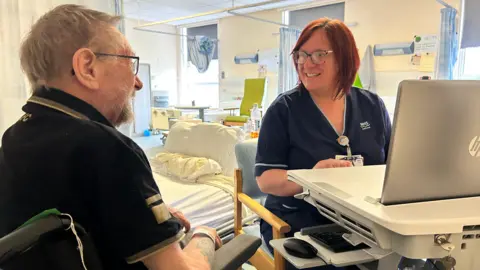
Anderson added that the so-called ambient voice technology meant nurses were spending less time writing up notes and could be more involved in conversations with their patients.
On average, it would tend to take her about 20 minutes to fill out patient notes, but Corti allows her to do it in about seven.
 NHS Grampian
Anderson said: "Sometimes there is a bit of apprehension about AI but I think they really enjoy being able to have those conversations outwith what we are normally able to do."
She added that it had made a "massive difference" and felt like a "person-centred approach".
Staff can report incidents where accents are not picked up back to the Corti team, to help improve the system's understanding of local phrases, as well as any other issues noted.
The ambient voice technology has been launched by NHS Grampian's Innovation Hub with the support of Aberdeenshire Health and Social Care Partnership.
 Google
Corti has already been used by other NHS boards across the UK, but is being piloted in Scotland for the first time.
After three months of testing NHS Grampian will evaluate if the technology can help improve efficiency and reduce the administrative workload.
One patient who had their appointment transcribed by AI was Allan Rennie.
The retired nurse said the process was "easy enough".
He added: "If it is beneficial to patients and staff then it has to be good for the profession and patient care.
"I do not see how it can not be beneficial.
"Paperwork is important but it is not the be-all and end-all."
