Edinburgh and Fife council tax increases among lowest in Scotland

 Getty Images
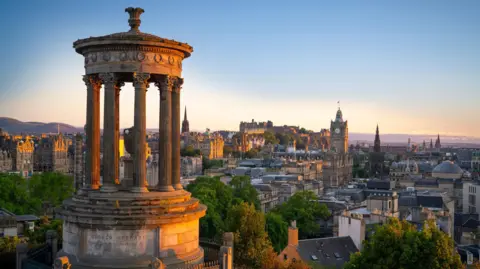
City of Edinburgh and Fife councils have confirmed they will raise council tax in the next financial year.
Edinburgh's Labour administration struck a deal with the Liberal Democrats and Conservatives at Thursday's budget meeting, bringing down a proposed 5% rise to 4%, as well as agreeing a freeze on pay-and-display rates.
Meanwhile Fife will proceed with a planned 5% rise.
This means that both regions will see among the lowest council tax increases across the country.
In Edinburgh, it a band B property - the most common in the city - will go up to £1,264.70 per year.
The cost for a band H property, currently the highest band of council tax, will increase to £3,983.82.
Fife Council highlighted that health and social care was under "significant pressure" as it allocated a total £5.5m to services from its own budget and Scottish government funding.
It will also devote £200,000 to a mental health response car so it can cover a larger area.
 Getty Images
Nine Scottish councils are expected to announce their 2026-27 budgets on Thursday, with various agreed earlier this week.
Aberdeenshire and Moray councils have so far agreed the highest rise in council tax at 10%.
Last year council tax in Edinburgh rose by 8%.
The council also committed to begin talks with Lothian Buses about returning a dividend.
Before the pandemic, the publicly-owned bus company returned excess profit to the council, but it has not done since.
Edinburgh will also be the first council in Scotland to introduce a tourist tax.
The visitor levy of 5% on overnight stays in hotels, bed and breakfasts and self-catering accommodation will take effect from 24 July 2026. About £50m is expected to be raised annually.
Scottish Water announced in January that water and sewer rates would go up from this April, with household bills to increase by 8.67%.
Earlier this year, the Scottish government also announced two new council tax bands are set to be added from April 2028 – band I for homes valued between £1m and £2m, and band J for properties above £2m.
Council tax makes up a relatively small proportion of each council's budget but it is the area where the council has the most control.
