'Having a job has opened up so many doorways'

 BBC
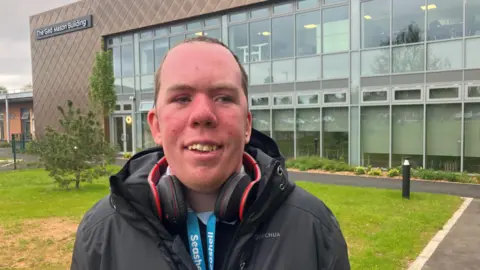
BBCThe sister of a 23-year-old man born with a rare genetic condition says finding paid work has given him a "real sense of purpose".
With the help of the Seashell Trust, a Stockport-based charity that supports young people with learning disabilities, Harry Clayton has found work at the Light Cinema in Stockport and also earns money doing maintenance work at the Seashell Trust site.
Around 45% of the students who leave the Seashell Trust went into some kind of employment and around a third of those young people found paid work, a figure that is four times the national average, the charity said.
Harry's sister, Emma Clayton, 27, said having a job had opened up opportunities for her brother.
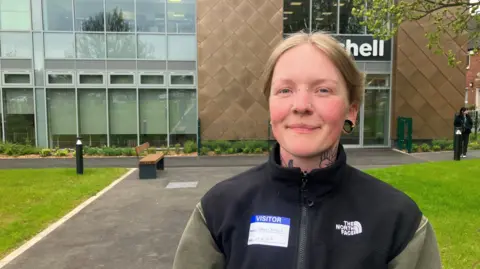
Harry attended Heaton School, a secondary school for young people with severe learning difficulties in Stockport, before spending two years at the Seashell Trust.
Emma said: "Harry is out every single day of the week and he loves getting up for work because all of his work placements give him a real sense of purpose."
She added: "When we were made aware of his condition, we didn't know what capabilities he would have but he really works hard, so its opened up so many doorways for him."
As well as paid employment, Harry also volunteers at the Rose Hill Recycling Centre in Marple and does unpaid work at Quarry Bank Mill in Styal.
"I help old people carry their rubbish, I dig up the weeds, I use a hosepipe to clean the minibus, I sweep up popcorn at the cinema and I like my jobs," he said.
Brandon Leigh, the chief executive of the Seashell Trust, said: "We are evolving our young people into adults who will cost less for councils to look after because they have independent skills and they will need less support going forward.
"The alternative for a young person coming here would be spending life in a very mundane day-care facility, where they are being looked after, but their skills are not being developed and their full potential is not being realised," he added.
"We have to demonstrate good value and great outcomes for our students."
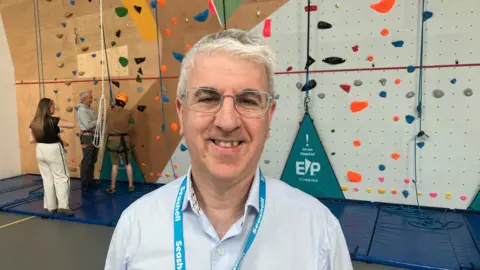
Employment for people with learning disabilities leads to financial freedom, higher reporting of self-worth, skill development and social inclusion into society, according to a report by the charity Mencap in 2023.
The Seashell Trust is largely funded from the council social care packages of its students, who are some of the most severely disabled young people in the country.
The charity includes the Royal School Manchester, for children under 16, and the Royal College Manchester for young people aged 16 to 25.
Almost half of their 130 students live on the site in Cheadle Hulme and their social care packages can sometimes run into several hundred thousand pounds a year.
Stockport Council has been contacted for comment.
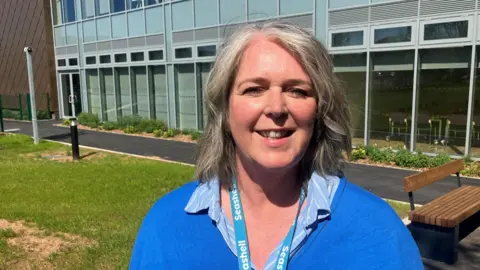
The Royal College Manchester also runs an employability pathway, which works with local businesses to prepare them to accept their students, including making adjustments to their workplaces and completing Health & Safety risk assessments.
The work experience placements they offer include packing boxes at factories, working in retail, gardening at properties run by the National Trust, doing jobs at hospitals, leisure centres or working on farms with animals.
Nikki Brown, the employer engagement lead at the Royal College Manchester, said: "The students are really happy in their work and its important to them, so when we see their impact on their mental health, the families also see the benefit.
"I have the best job because work makes people happy and its good for you, so its important that our young people go out, meet people and make friends."
