What goes into planning a state visit?

 BBC
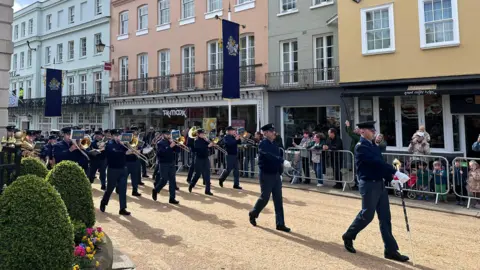
BBCWindsor has rolled out the red carpet for the first state visit by a Nigerian president in 37 years.
King Charles III and Queen Camilla are hosting President Bola Tinubu and First Lady Oluremi Tinubu at Windsor Castle until Thursday.
But how exactly is a state visit put together - and why was this one such a scramble?
Why Windsor?
With Buckingham Palace in the middle of a 10‑year, £369m refurbishment, Windsor Castle has become the main venue for high‑profile diplomatic welcomes.
In recent years it has hosted leaders including France's Emmanuel Macron, the US's Donald Trump and Germany's Frank-Walter Steinmeier.
A last‑minute operation
This visit was only announced in February, leaving far less preparation time than usual.
To complicate things further, the Royal Borough of Windsor and Maidenhead Council had previously said it could no longer afford to support state ceremonies after not being reimbursed for three events last year.
But Councillor Amy Tisi, one of the leads behind the preparations, said the council had now received government funding, allowing them to "scramble to get everyone into position" in time for the Nigerian president's arrival.
What actually has to be organised?
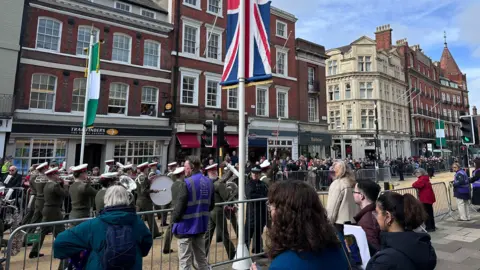
Tisi said hosting a head of state is "always a bit nerve‑wracking", even for a team that has done it many times before.
A state visit involves coordinating a long list of practical tasks, including:
- Cleaning the ceremonial route
- Road closures and diversions
- Barriers and crowd management
- Policing and security
- Signage and stewarding
- Volunteer marshals on the day
Tisi said the government money helped pay for the parts of the event handled locally, from council duties like cleaning and signage to the extra policing required on the day.
"We all work to deliver it together," Tisi said.
"Each individual body needs to make sure their costs are covered."
How the day runs
Even with Windsor's recent experience hosting major diplomatic visits, organisers never skip the preparations. Tisi said the teams still rehearse every event to make sure everyone knows their role and timings.
A big part of the planning is communication. Sara Blackmore, the council's director of public health, said businesses and residents receive regular updates on road closures, timings and expected crowds so they can plan ahead.
"It's a great opportunity to see Windsor in its best light," she said.
Once the ceremony is over, the clean‑up begins almost immediately. Streets are cleared, barriers come down and Windsor returns to normal within hours.
