Trawling ban sparks marine recovery
 Ella Garrud
A conservation project is reporting increased black sea bream and "mussel beds stretching more than a kilometre", five years since a ban on bottom trawling.
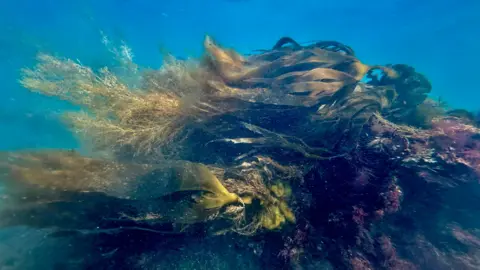
Sussex Kelp Recovery Project (SKRP) said a "quiet but powerful transformation is unfolding beneath the waves" since its launch half a decade ago.
The project followed the introduction of a byelaw in 2021 protecting a 117 sq mile (302 sq km) area between Shoreham and Selsey in West Sussex.
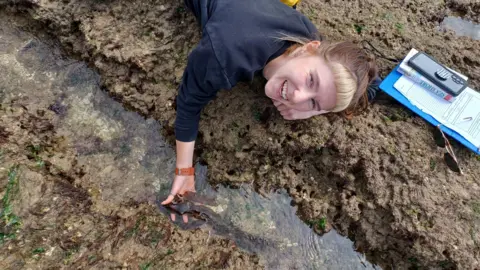
SKRP kelp recovery coordinator George Short said: "It's given me enormous joy to see this sign of hope in what is a time of really difficult environmental change."
She said that the observed mussel beds were "really important because this is one of the habitats that the protection was put in place to recover".
Bream had been "particularly vulnerable to trawling because they make their nests on the seabed", Short said, but video surveys were detecting increases in numbers.
She said one video survey had recorded 92 species.
The kelp recovery coordinator told the BBC that restored habitats brought benefits like storm and erosion protection and supported sustainable fisheries.
 Paul Boniface
According to Sussex Wildlife Trust, 96% of the county's kelp forests present in the late 1970s had disappeared by 2019.
The Sussex Inshore Fisheries and Conservation Authority (IFCA) Nearshore Trawling Byelaw prohibited bottom trawling in the designated area, which the trust said gave habitats "the breathing space they need to recover".
Sussex IFCA said it had actively enforced and monitored the impact of the byelaw and that "compliance with the byelaw has been very good".
Short said the project had received "a lot of reports from local fishers and local free divers" that had fed into their research and monitoring.
Dr Ray Ward, reader in environmental science at Queen Mary University of London, said rewilding "doesn't happen overnight", but that "seeing increases in a commercially important species like the black sea bream through our underwater video surveys is a promising start".
Follow BBC Sussex on Facebook, on X, and on Instagram. Send your story ideas to southeasttoday@bbc.co.uk or WhatsApp us on 08081 002250.
