Council tax 9% rise – what does it mean for me?

 PA Media
Residents in the Shropshire Council area will notice an unusually higher increase in council tax, following a government decision to allow the authority to raise bills above the usual limit - 8.99% instead of 4.99%.
Liberal Democrat leader Heather Kidd said the council had little choice but to burden local taxpayers with higher bills due to its precarious financial situation.
Here is a guide to council tax bills for 2026/27.
How much extra will I pay from April?
Council tax in the Shropshire Council area will rise by 9% from April.
It will add £162 a year to bills for an average band D property, taking the overall fee to £1,969.
If the authority had increased bills by the usual 4.99% limit, then the rise would have been £90.30.
Homeowners and renters in band A, B and C properties will pay less than that average, while higher bands will pay more.
Households in the neighbouring Telford and Wrekin Council area will see bills rise by 4.99%.
The Labour-run administration said residents in the borough would still benefit from the lowest council tax in the Midlands, despite an increase of £76 to annual band D bills.
Other charges listed on council tax statements, known as precepts, include town and parish councils, Shropshire Fire and Rescue Service and the West Mercia police and crime commissioner (PCC).
The fire service precept is set to increase by £4.99 in 2026/27 for a band D household, and £15 for the PCC.
Town and parish levies across the county vary greatly according to the services they provide, with some residents paying nothing, while households in Bishops Castle pay more than £300 a year to the town council.
How is my council tax spent?
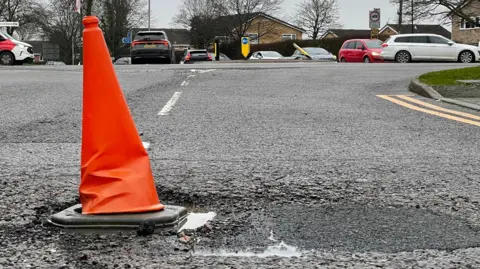
Both Shropshire Council and Telford and Wrekin Council are known as unitary authorities, which means they are responsible for all major local services, such as education, social care, road maintenance and kerbside waste collections.
They also manage libraries, leisure facilities, public transport, green spaces and recycling centres.
Despite the long list of services, most councils spend a large percentage of their budgets on delivering care to vulnerable residents, like old age-related care, homelessness, disability support and looked-after children.
About 75% of Shropshire Council's budget is spent on adult and children's social care, leaving 25% to spend on everything else.
In Telford and Wrekin, by comparison, a slightly lower proportion of 70p in every pound the council spends is allocated to social care.
Town and parish councils spend their chunk of council tax on lower-level services, like bus stops, managing parks, litter picking and community centres. Some have taken on greater responsibilities for things like festivals, leisure centres and libraries as the major authorities feel the pinch.
Shropshire Council is in the cost-cutting process of devolving services to town and parish councils, which have no cap on their annual cost increases.
Why is council tax rising by nearly 9% in Shropshire?
Shropshire Council is in a financial mess and can no longer afford to provide the services that it legally has to.
This is largely due to income not keeping up with rising costs and a higher demand for services.
A funding gap means the authority will need to borrow up to £130m from the government in the next financial year, known as Exceptional Financial Support.
Raising council tax by 4% over the normal 4.99% limit will generate about £8.8m, which is still nowhere near enough to balance its budget, but does mean the authority will not have to borrow as much.
Government loans require interest payments, so the more Shropshire Council borrows, the higher the cost of paying it back.
What if I can't afford to pay my council tax?
Shropshire Council has said it is keen to highlight a range of support available for residents who are worried about the 9% council tax rise.
Support includes spreading the cost of annual bills over 12 months instead of the usual 10. For a band D property, this will mean paying £164 a month instead of £196.
Some households will also be eligible for a council tax reduction. Those on low income, living with disabilities, a care leaver or residents living alone may all be entitled to a lower rate.
The council is also advising residents to seek help through its Household Support Fund. This government-funded scheme provides financial advice on things like energy bills, food costs and free school meals.
Follow BBC Shropshire on BBC Sounds, Facebook, X and Instagram.
