The rewards and challenges of small-island healthcare

 BBC
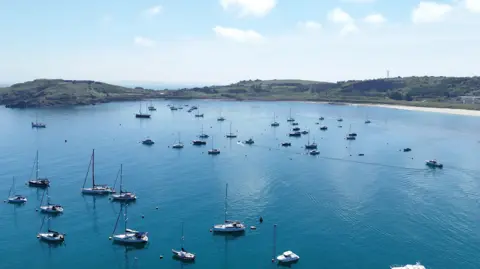
BBCAlderney's longest-serving GP has warned of a "recruitment crisis" as the health sector struggles with staff recruitment and retention.
Staff at the Island Medical Centre, the only GP surgery on the island, have highlighted not only recruitment issues, but also the logistical challenges of being based on a small island.
But, with the difficulties, come the benefits of working among the small island community, they say, adding it is an "extremely rewarding job" offering the opportunity to "meet some amazing patients".
Dr Jonathan Cooper, who built the medical centre and has been at the practice for 40 years, said he had come out of retirement because "it's difficult to get doctors to come here".
The most northerly of the Channel Islands, Alderney has a population of just over 2,000 and an ageing demographic.
Residents of the island have access to nursing care at the 22-bed Le Mignot Memorial Hospital, while medical care within it is provided by GPs from the island's medical centre.
Cooper said: "The first time I retired, it felt like I was deserting the patients, so I had to come back.
"The third time is because we have a recruitment crisis."
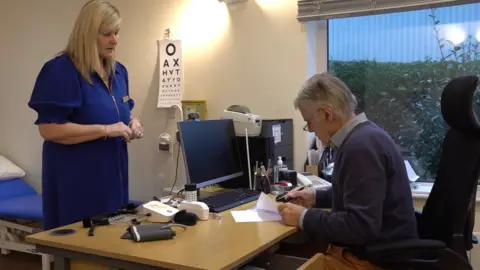
Practice manager at the Island Medical Centre, Tracey Jean, said she had had GPs who had "come and gone" and said they really wanted resident doctors.
As for the logistical challenges, she said, as an example, there were issues with blood samples being collected and taken off the island, which "really does affect people".
One of the two community pharmacists, Paul Durston, echoed such feelings: "My colleagues on the mainland are used to having a delivery two to three times a day, we're lucky if we get it two to three times a week.
"What a lot of new residents and visitors don't always appreciate is that we're not part of the NHS."
Despite such challenges, all three healthcare professionals highlighted the benefits of healthcare provisions in a small island community.
"It's a bit like healthcare used to be. We know all our patients, the relatives, the problems, because we've got the time to," said Cooper.
"When we look at recruiting doctors, we say 'if you come here, you'll do what you are trained to do, which is spend time with the patient'."
He said you get to meet some "real gems".
'The biggest joys'
GPs in Alderney are in private practice and a fee is payable for all consultations.
If specialist care is not available, residents are referred off-island, to receive medical care in Guernsey or the UK.
Durston said it had been "hugely rewarding" and a "privilege" to provide the pharmacy service on Alderney.
"I've seen children become parents, and parents become grandparents, that has been one of the biggest joys of being here. It's a wonderful place."
Follow BBC Guernsey on X and Facebook and Instagram. Send your story ideas to channel.islands@bbc.co.uk.
