Poultry to be culled after bird flu case confirmed

 Reuters
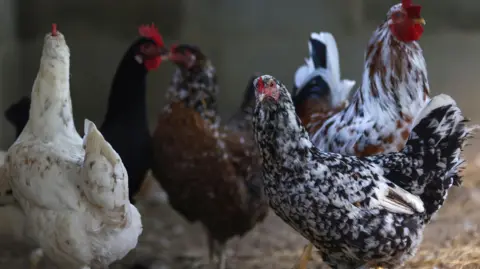
More poultry will be "humanely culled" after a case of bird flu was confirmed in a flock in Suffolk.
The Department for Environment, Food and Rural Affairs (Defra) said the H5N1 virus was found in a small poultry flock near Needham Market.
There have been several confirmed cases in the county since October, including two recent cases in Bacton, which is about 10 miles (16km) from Needham Market.
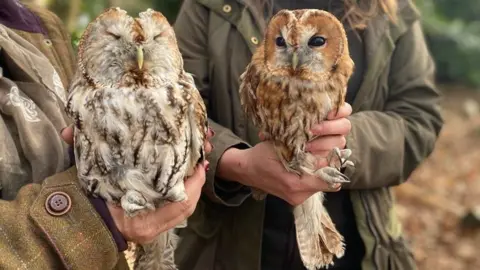
Meanwhile, the Suffolk Owl Sanctuary, which falls within the 3km (1.9 miles) protection zone and has to follow "strict biosecurity" measures, has said it was having to limit some visitor activities.
The zone is centred on the Helmingham/Crowfield area, and a wider 10km (six miles) surveillance zone is also in place.
An "avian influenza prevention zone" came into force for the whole country on 6 November, affecting sellers of poultry products and keepers with more than 50 birds.
Defra said the risk to the public was very low, but people should not touch or move any dead or sick wild birds they find.
The disease is caused by a virus that infects birds and sometimes other animals, including foxes, seals and otters.
 Anna Louise Claydon/BBC
A spokesperson from the Suffolk Owl Sanctuary, in Stonham Aspal, has suspended weekend indoor bird displays and "fly with me encounters", but will run species talks at selected bird aviaries on its site.
In a social media post, it said it was able to remain open to the public "as the risk of avian influenza to humans is considered very low".
It asked visitors "to engage in strict biosecurity around the site", such as using foot-mats to disinfect boots and shoes.
"We will continue to update as the situation evolves and apologise for any inconvenience caused," it added.
Follow Suffolk news on BBC Sounds, Facebook, Instagram and X.
