Hospital leaders failed to fix patient safety risk

 Stuart Woodward/BBC
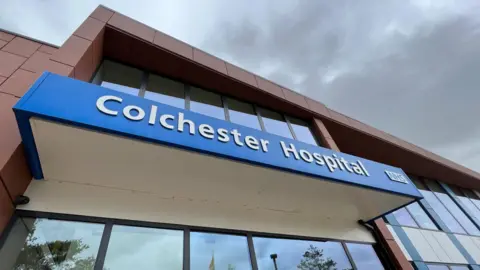
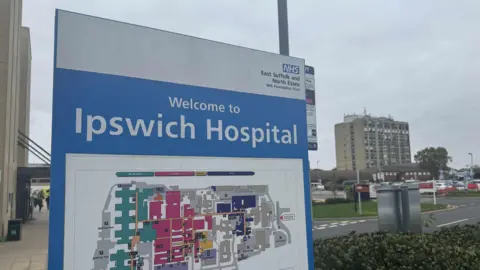
The leaders of hospitals in Colchester and Ipswich knew about "significant risks" to patients but failed to resolve them, the care watchdog has said.
Details of the risks were not revealed by the Care Quality Commission (CQC), but it described them as "avoidable".
It downgraded East Suffolk and North Essex NHS Foundation Trust (ESNEFT)'s leadership rating from "good" to "requires improvement" in a new report.
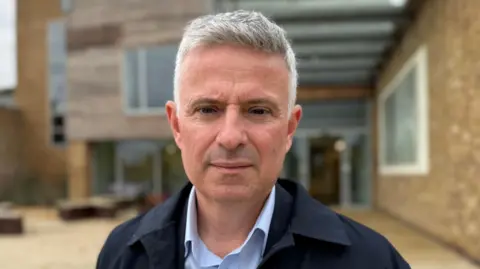
In a joint statement, ESNEFT's chief executive and trust chair both said they accepted the findings and vowed to make improvements.
"It is important to remember that inspectors visited almost a year ago and the report reflects ESNEFT as it was at that time," said Paul Scott and Tracy Dowling.
"Since then, there have been some considerable changes at the trust."
ESNEFT was inspected after the CQC was tipped off about risks within its provision.
"We issued warning notices at both Colchester and Ipswich after identifying significant risks to people's safety," said Sarah Ivory Donnelly, of the CQC.
"Leaders knew about these issues, but the actions they'd taken hadn't gone far enough to reduce the risk of avoidable harm to the people in their care."
 George King/BBC
Inspectors were told by staff they did not feel safe reporting concerns about the behaviour of senior leaders, according to the report.
They also criticised bosses for not always being visible, while inspectors noted a lack of clear roles made for "weak oversight and decision-making".
Other concerns raised in the report, published on Friday, were:
- Staff from minority ethnic groups reported a worse working experience than their white colleagues
- Audits of people's basic needs, such as nutrition and hydration charts, were not always consistently completed
- People with mental health needs faced delays in accessing support in the emergency department
Donnelly said leaders understood the challenges they faced, but "weren't always quick enough to turn that understanding into action".
However, they were praised for collaborating with local health teams and for their efforts in reducing the trust's carbon footprint.
 Steve Hubbard/BBC
Inspectors also noted efforts to build a culture of transparency.
"The report recognises many of our strengths, including the dedication of our staff, our strong partnerships, and our clear vision for the future," Scott and Dowling said.
"We are grateful to colleagues across ESNEFT for the commitment, professionalism, and compassion they show every day."
They said several issues raised in the report had already been acted on and more improvements were under way.
Do you have a story suggestion? Contact us below.
Follow East of England news on X, Instagram and Facebook: BBC Beds, Herts & Bucks, BBC Cambridgeshire, BBC Essex, BBC Norfolk, BBC Northamptonshire or BBC Suffolk.
