Locals can comment on plans for historic landscape

 Daniel Mumby
Residents have until New Year's Eve to give their views on how one of their county's landscapes should be managed over the next five years.
The Quantock Hills National Landscape Partnership in Somerset has published its draft management plan, laying out how the area will be preserved and improved up to 2031.
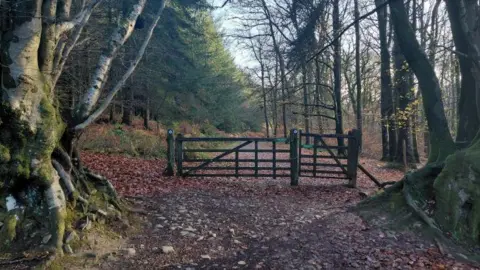
The plan includes measures to protect and conserve historic man-made elements.
Partnership chair Hugh Warmington said: "This is an important moment for the communities of the Quantock Hills and those who love visiting here."
 Daniel Mumby
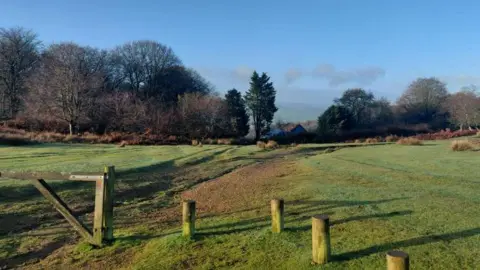
The Quantock Hills was the first part of England to be designated an area of outstanding natural beauty (AONB) in 1956, ensuring its landscape, views, ecology and heritage would be safeguarded from future development.
All Somersets AONBs (the Blackdown Hills, Cranborne Chase, the Mendip Hills and the Quantock Hills) were rebranded as national landscapes in November 2023 in reflection of their "vital contribution" to promoting health and well-being and combating climate change, though this rebrand did not result in any additional powers or funding.
Mr Warmington added: "The draft plan sets the priorities for this very special landscape, and how it responds to change," reported the Local Democracy Reporting Service (LDRS).
"Much consultation has been done in the last year, but this is the first chance to see the draft plan in its entirety and to comment on it."
Follow BBC Somerset on Facebook and X. Send your story ideas to us on email or via WhatsApp on 0800 313 4630.
