Who pays for policing state visits like Trump's?

 Getty Images
A row over the cost of policing state visits has raised questions about who is responsible for funding security.
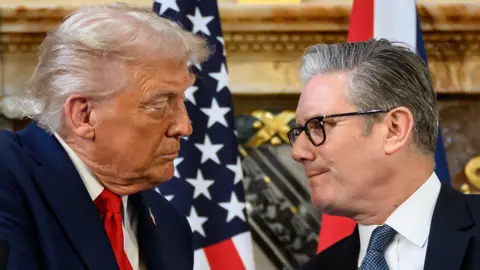
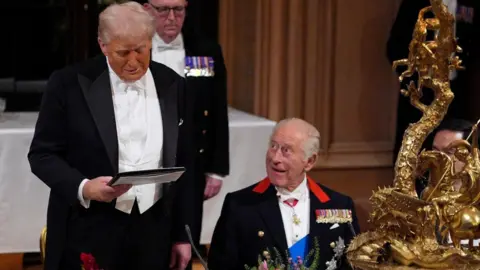
Thames Valley police and crime commissioner Matthew Barber said the force would not be reimbursed nearly £1m it spent on officer time during Donald Trump's visit to Windsor.
The Home Office said forces could receive funding for "additional costs" linked to major events, while its guidance states this does not include the cost of officers carrying out their normal duties.
So how does the system work - and why is it being challenged?
What does policing a state visit involve?
 Getty Images
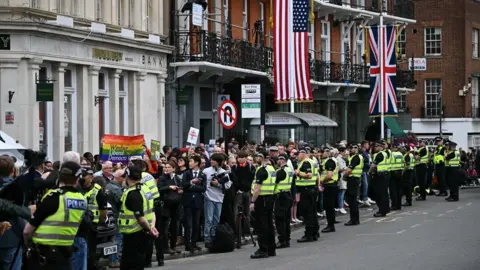
State visits are among the UK's most high-profile diplomatic events and require major security operations involving multiple agencies.
Local police forces are responsible for managing crowds, protection and public safety.
This can require large numbers of officers, as well as coordination with national security partners and other emergency services.
For visits involving Windsor, this role falls to Thames Valley Police.
Who pays?
 Getty Images
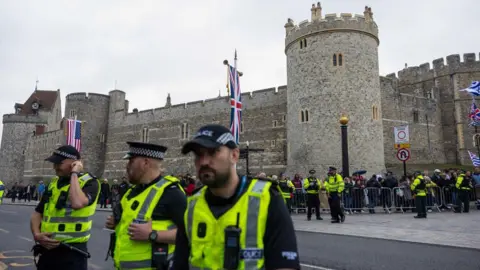
The cost of policing state visits initially falls on the local police force where the event takes place, which must deploy its own officers and resources.
For Trump's September visit, the Home Office said some costs could be reimbursed, with Thames Valley Police set to receive funding for "additional costs".
A spokesperson said these would be recovered through what it described as "standard major event procedures".
However, the department did not set out in detail what those costs include.
The Home Office has been asked for further clarification on funding.
Separate arrangements, such as special grant funding, can also be used in some cases where forces face "unexpected and exceptional events" that could threaten their financial stability.
Home Office guidance states that funding does not extend to the cost of officers carrying out their normal duties, meaning the time of local officers deployed to a state visit must be absorbed by the force.
Why are the costs being challenged?
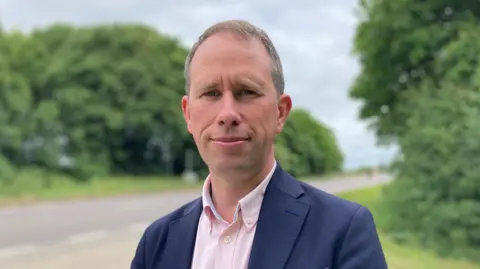
Thames Valley's Conservative police and crime commissioner Matthew Barber has argued it is unfair for local forces to bear the cost of policing events of national importance.
He said the more than £900,000 spent on during Trump's visit to Windsor "should not have to be picked up by local taxpayers", particularly when officers are taken away from their usual duties.
In a letter to the Home Secretary, Barber said the number and frequency of state visits to Windsor had increased while Buckingham Palace undergoes refurbishment, placing "an unreasonable burden" on the force.
He argued that because Windsor Castle is now effectively the main venue for state visits, "the normal funding arrangement should not apply".
Barber said the current system meant local residents were facing both a financial cost and the "opportunity cost" of officers being redeployed from other policing duties.
What does the government say?
In a statement, the Home Office said: "We and the police have long standing arrangements in place to ensure state visits are run safely and securely, while regular policing continues across communities.
"Thames Valley Police will receive reimbursement for their additional costs linked to state visits, and these will be recovered through standard major event procedures."
It did not address the cost of officer time.
The BBC has asked Barber for a breakdown of how the £900,000 was spent during Trump's visit.
Could police forces refuse to support state visits?
 Getty Images
Police forces cannot simply refuse to support a state visit, as they have a legal duty to maintain public order and ensure security at major events.
While the local force leads on planning, the Home Office can provide financial support through special grants if costs are unusually high.
For large‑scale operations, officers from other forces can also be drafted in under mutual aid arrangements.
Forces can raise concerns about cost pressures, but they are still required to deliver an appropriate policing plan.
Any dispute over funding is ultimately resolved between the Home Office, the force and the Police and Crime Commissioner.
You can follow BBC Berkshire on Facebook, X (Twitter), or Instagram.
