Scheme launched to help refugees seek support

 Cleveland PCC
A programme designed to support people seeking refuge and asylum has been launched.
Safe Steps aims to help vulnerable people wanting to make Teesside their home understand their rights and know how to report concerns, such as discrimination, as well as being able to access the support available to them.
The two-year initiative has received £14,868 from the Cleveland Police and Crime Commissioner's (PCC) Protect and Support Fund.
PCC Matt Storey said: "At a time when incidents of hate crime are rising, it's important that the most vulnerable members of our community know how to report it and where to get help."
The programme will be delivered by charity Open Door North East (ODNE) and include workshops and one-to-one support for people living in Home Office-supported accommodation.
Storey said the launch of the programme had received both criticism and support on social media but he made "absolutely no apology" for investing in helping people, many of who might become British citizens.
"They deserve to be able to live in our country free from prejudice and know how to report it," he said.
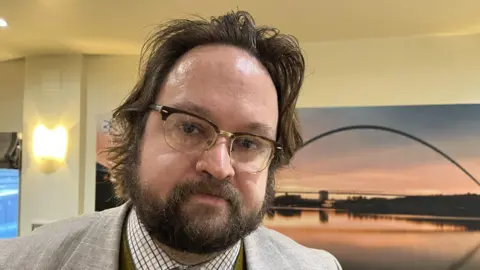
Storey said the programme would help educate refugees and asylum seekers about reporting racism, harassment or any form of discrimination, but also about bringing perpetrators to justice.
He said these vulnerable people "don't often trust the police" and "we need to make sure they are comfortable".
Home Office figures show reported hate crime offences in the Cleveland Police area rose from 1,508 in the year to March 2024 to 1,771 in the subsequent 12 months.
The PCC said refugees and asylum seekers were often at greater risk of suffering harm but remained underrepresented in victim-support services due to language barriers, previous trauma, cultural stigma and uncertainty about services.
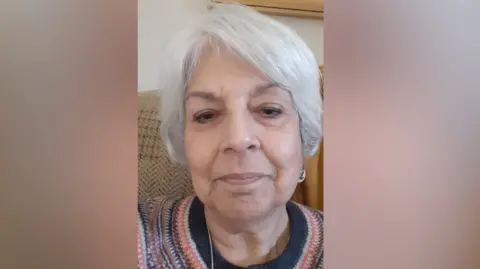 Satti Collins
The funding, which is a one-off grant, was part of £197,167 of funding given to charities as part of the Protect and Support Fund.
Chair of Tees Valley of Sanctuary Satti Collins said refugees and asylum seekers were "exhausted and emotionally drained" when they arrived and wanted to study or work and "contribute in some way".
She said there had been a lot of hostility towards refugees and asylum seekers and the training was needed to help them report harassment.
"I can see how insecure they feel now," she added.
