Town's council-run car parks to go cashless

 Swindon Borough Council
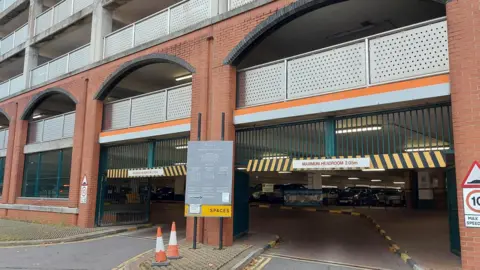
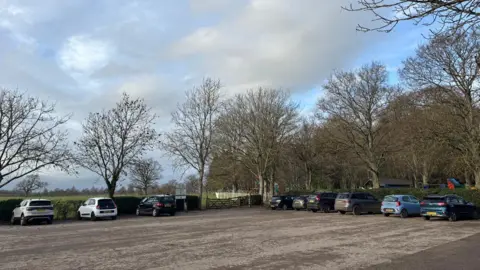
People will not be able to pay by cash at any of a towns' council-run car parks by the end of the year.
All 20 sites owned and operated by Swindon Borough Council are due to become cashless, with new machines and barriers to be put in place.
The decision has been made, in part, to prevent the machines from being targeted by thieves and vandals, as has been seen in town centre car parks and those at Lydiard Park.
Handling cash from car parks is also "an expensive and time-consuming process" according to councillor Chris Watts, who said the authority wanted to make parking "as simple and easy as possible".
 Swindon Borough Council
The majority of the council's car parks are pay and display, which will remain the case following the move to cashless.
This means those parking in them will still need to collect a ticket to display in their front window.
Work to make all the sites cashless is due to be completed by the end of August.
Mr Watts added: "There's currently a real mish-mash of car parks across the borough and there's no uniform technology in place.
"This work will also help reduce the amount of vandalism and theft we've seen at our ticket machines."
Three town centre car parks; Brunel North, Fleming Way and Whalebridge, have been cashless since 2020.
People using Swindon's cashless car parks will be able to pay via debit or credit card, either at a parking machine or online using an app, or by phone.
Follow BBC Wiltshire on Facebook, X and Instagram. Send your story ideas to us on email or via WhatsApp on 0800 313 4630.
