One in 7 shops in UK has turned cashless in the past year, survey finds

 Getty Images
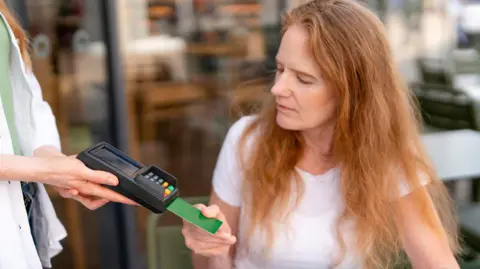
High Street shops are increasingly accepting only card or phone payments, new research suggests, as traders balance security, costs and the needs of customers.
Some 14% of shops have turned cashless over the last year, according to a survey of small businesses by the UK's main ATM network Link.
The findings highlighted retailers' efforts to avoid payment charges and tackle security concerns, despite around half of in-store purchases still being made in cash.
MPs on the influential Treasury Committee last year warned of a lack of data on cash acceptance and said the government should be ready to force shops and services to accept cash to protect vulnerable people.
They said there was a risk of a two-tier system, potentially pushing up prices in outlets that still accepted cash and creating a poverty premium for those who best budgeted using cash.
Shops and services can currently accept whatever form of payment they want. Some countries have introduced, or plan to implement, limited but mandatory cash acceptance for some essential services.
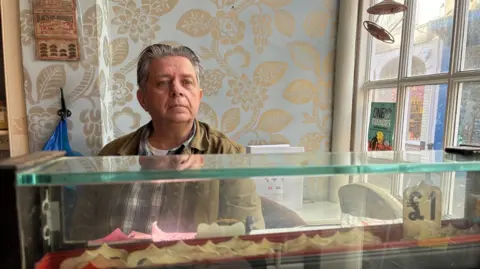
The coastal town of Hastings in East Sussex has a vibrant mix of independent and chain stores, as well as traditional seaside traders.
It also has a typical mix of shops that are cash only or card only, with the majority happy to take either form of payment.
When Alex White started Arkwhites in Hastings Old Town, selling items near their best before date at discount prices, he would only accept cash. Now, he accepts cards too.
"When I started I wanted it just to be a cash store, because that's the way I've been brought up. I didn't really want to go into using a credit card machine, which is an extra cost," he said.
"But then over time I realised that a lot of people just use their cards and don't use cash."
Elsewhere in the town, fish and chips and books are sold only for cash, while cakes and ice creams require a card payment.
For the most part, the decision to go cashless is based on business costs and worries about theft.
Link's report, called Keeping Choice Alive, found that 77% of High Street businesses asked in its independent consumer council's survey, still accepted cash.
However, more than half of those which no longer accepted cash had taken that decision within the last year.
Of those which had gone cashless:
- About a fifth said this was the result of the perceived threat of fraud, such as counterfeit banknotes
- The same proportion suggested it was the result of security concerns, such as theft, shoplifting and violence against shopworkers
- Nearly as many highlighted a lack of demand among their customers to pay in cash
The cost of handling money was another factor, especially when faced with the closure or limited opening hours of bank branches.
About half of retailers said they paid more than £50 a month to handle cash deposits, with 15% of those asked paying more than £200 a month.
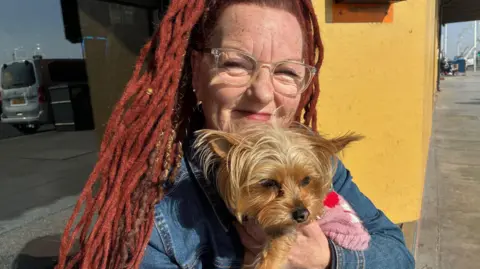
Shoppers in Hastings reflect the mix of preferences seen in stores.
Those aged in their 20s and 30s tended to pay primarily on their phone, with less need or inclination to carry cash. Older shoppers still considered cash to be king, or wanted a choice over how they paid.
Sharona Wrighton, 63, said she used cash to see her through to the end of the month.
"When you are on benefits you have to budget, so you need cash. Do not get rid of cash," she said.
The Link report called for the need to maintain cash deposit options for local businesses, and a clearer approach to tackling crime on the High Street.
Cash acceptance needed to be carefully monitored, it recommended. Programmes to encourage digital inclusion were needed alongside the protection of cash.
Nick Quin, chief corporate affairs manager at Link, said: "There's a lack of evidence on what is actually going on with cash acceptance and there's a big risk that we exclude cash users if we don't get this right.
"So we've gone out and spoken to retailers about what's going on and we want to make sure that their voices and cash users' voices are heard as the way we pay for things is changing."
