Travel training helping SEND students 'thrive'

 BBC
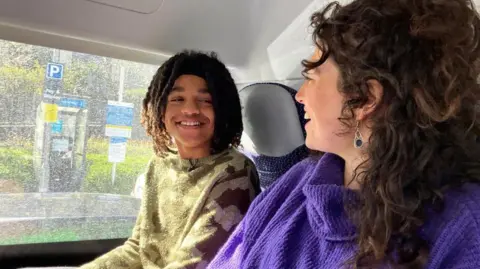
BBCFifteen-year-old Keyon used to feel too anxious to board a bus alone.
But over the past few weeks, he has been building the confidence to travel independently through Bristol's new Independent Travel Training (ITT) scheme.
The programme is already helping dozens of young people with special educational needs and disabilities (SEND) learn essential life skills.
Launched by Bristol City Council, the initiative has so far supported 20 young people to travel on public transport without relying on taxis or individual home-to-school arrangements.
Councillor Christine Townsend said they wanted children and young people with SEND to "thrive and become as independent as possible".
How the training works
The training covers everything from road safety and reading timetables to using a bus pass and safely boarding buses and trains.
Travel trainers accompany students on their routes, showing them each step until they feel confident enough to travel alone.
Keyon, who lives in north Bristol and attends a special school, began his training in mid-February and has completed nine sessions so far.
Until starting ITT, he had always travelled to school by taxi.
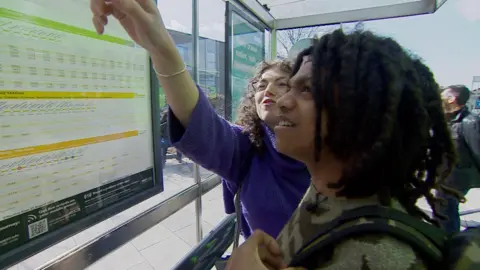
Under the training programme, Keyon has been taking the bus, with his travel trainer Chloe Morris guiding him.
"I'm just helping him build the social skills to be able to speak to the driver and the confidence to travel independently," she said.
She said when they first met, Keyon was nervous and apprehensive about travelling even a short distance.
"I was scared of going on the bus on my own and scared of missing it," said Keyon.
Morris has been working with Keyon to build communication skills, problem solving and general life skills, like time management.
"Once we go out we just see their confidence come on massively.
"Towards the end of the training they're like, 'we don't need you anymore'," she added.
Last week, Keyon took his first bus journey alone, something he would not have considered even a few weeks ago.
His achievement mirrors progress seen across the wider programme.
Cost savings
Since its launch, the scheme has worked with more than 40 young people and received 163 referrals.
While the main purpose, according to Bristol City Council, is to build confidence and develop skills, there is a cost benefit.
Home to School Travel costs the council around £18m and the council believes the programme could save more than £100,000 currently spent on work-to-school arrangements.
Townsend, who is chair of the council's Children and Young People Committee, said: "As young people discover their independence by completing this training programme, they discover that the sky is the limit in terms of their future.
"The Independent Travel Training programme is a vital part of this commitment, supporting young people at their own pace, to gain the confidence and skills they need to step into adulthood," she added.
The scheme is also supported by First Bus, whose commercial manager Robert Sanderson said: "Every day we see how a friendly driver, clear information and reliable services make a difference.
"We're pleased to play our part in Bristol's Independent Travel Training scheme, working alongside travel trainers to help young people navigate public transport, plan routes and travel independently with confidence."
For young people like Keyon, the training is opening up new possibilities, one bus ride at a time.
Follow BBC Bristol on Facebook, X and Instagram. Send your story ideas to us on email or via WhatsApp on 0800 313 4630.
