Sisters abused by priest urge Catholic Church to engage with victims

 BBC
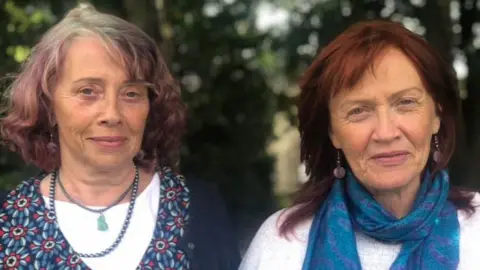
BBCTwo sisters who were abused by a former priest have called on the Catholic Church to ensure every diocese in Ireland is proactive in providing opportunities for direct engagement between abuse survivors and church leaders.
Paula and Margaret Martin from County Donegal said a legally-facilitated meeting with Diocese of Raphoe representatives last year was "deeply healing".
Con Cunningham, then aged 86, was sentenced to 15 months in prison at Letterkenny Circuit Court in 2021 after pleading guilty to eight counts of indecent assault in the 1970s.
A spokesperson for the Catholic Church said it is committed to "continuous learning and responding positively" to those who have been hurt.
The Martin sisters were nine and 11 when the abuse started.
They waived their right to anonymity to name Cunningham.
Conviction dealt with 'one part of pain'
The women had gone to the Church three times over a 25-year period about the actions of their abuser.
After Cunnigham's conviction, the sisters felt only "one part of their pain" had been dealt with.
The rest of the pain was caused, they said, by "a lack of care, concern or engagement by the Church over a period of almost 30 years".
The sisters said they were unsure as to what steps to take next following the criminal case but had decided to initiate civil proceedings against the Church.
They were then contacted by legal representatives for the Diocese of Raphoe who asked them to consider a sit-down meeting with senior church figures.
They accepted and the meeting was facilitated by a mediator in Londonderry last year.
Representing the church was the diocesan administrator, Monsignor Kevin Gillespie, the now retired Bishop Philip Boyce and the Bishop of Down and Connor, Bishop Alan McGuckian.
Monsignor Gillespie was appointed in 2024.
Bishop Boyce was Bishop of Raphoe from 1995 until 2017.
In 2011, he was criticised for his handling of clerical sex abuse allegations in the diocese.
'We felt heard and understood'
At the time, Bishop Boyce fully accepted the recommendations and apologised for "poor judgements" in managing priests accused of "horrific acts of abuse" against children.
Bishop McGuckian was installed as Bishop of Raphoe in 2017 and served there until 2024.
In September, following the meeting, a public apology was issued to the sisters by the Diocese of Raphoe.
It acknowledged the diocese had "failed profoundly in its pastoral care and responsibility of care and concern for your well being during the years from 1994 to 2018".
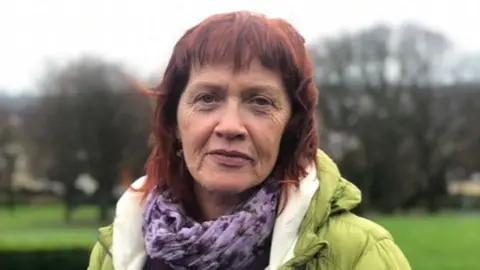
Paula Martin told BBC Radio Foyle's North West Today programme while initially cautious about the meeting, she found it brought her "peace I had not expected".
"Over the past 30 years it has felt that the Catholic Church was protecting itself at all costs," she said.
"For the very first time, we felt heard and understood.
"It was a very honest, open and heartfelt meeting."
The sisters said all parties were very clear on the structure of the meeting and it felt like a "safe space".
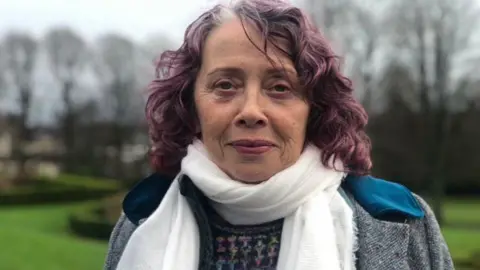
For Margaret Martin, the impact of the meeting and the apology was profound.
"It opened the door to healing in a way that I never imagined - it was like a cloud lifting," she added.
"It really helped to take away the pain I have been carrying for 30 years."
What has the Catholic Church said?
In a statement to BBC News NI, a spokesperson for the Irish Bishops Catholic Conference said there was no single policy on mediation that was in place for every diocese and religious congregation across the island.
"Each church body has its own safeguarding personnel employed who assist and advise the bishop or congregational leader on responding to survivors on an individual basis," they said.
"Other church bodies have implemented restorative justice or redress schemes which incorporate an element of mediation.
"The Church is committed to continuous learning and responding positively to those who have been hurt in order that some healing may emerge from a dreadful history."
'Validation and vindication'
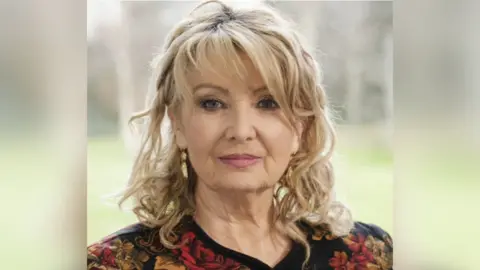 Marie Keenan
Prof Marie Keenan is an international scholar on child sexual abuse and the Catholic Church, restorative justice and institutional abuses.
She said facilitated meetings between survivors and institutional leaders were becoming more common.
"I've seen first hand that these meetings can be transformational," Keenan told BBC News NI.
"Many survivors aren't even aware that this type of process is available.
"It may not be for everyone as survivors can have very different justice needs."
However, Keenan said the meetings can be a chance for victims to get "validation, vindication and accountability".
Keenan said research has shown meetings that have an independent facilitator, have better outcomes for survivors as opposed to informal meetings.
The Diocese of Raphoe did not respond to a request for further comment when contacted by BBC News NI.
The office of the Bishop of Down and Connor has also been contacted by BBC News NI.
If you have been affected by any of the issues in this story, help and advice is available on the BBC Action Line.
