The MeToo evolution

 Piero Zagami and Michela Nicchiotti
How a worldwide movement has changed – and is still changing – the workplace as we know it.
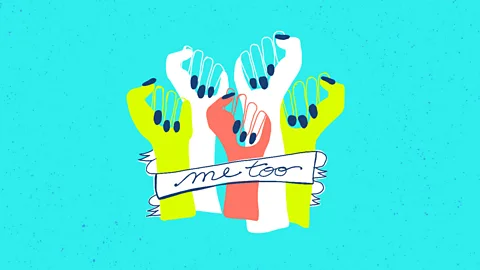
The rise of the #MeToo movement continues to change the conversation around rape, sexual harassment and assault, particularly in the workplace. Entering the zeitgeist in late 2017 when the Harvey Weinstein scandal broke, the movement has snowballed far beyond Hollywood to multiple industries, including the restaurant world and sport. As time has passed, it’s sparked a broader conversation too – not just about harassment, but also coercive and abusive behaviour beyond work.
For many, #MeToo has become shorthand for solidarity with victims – mainly women – who have faced their abusers. The movement’s lasting legacy is hard to predict, though. There have been some positive concrete changes: companies have responded by introducing enhanced training programmes such as mandatory sexual harassment and discrimination training; rethought company policy on events like holiday parties; reiterated guidance on alcohol at work-related events; and strengthened women’s networks.
Younger women are reportedly now more likely than their older peers to report harassment at work because they feel they can do something about it. It’s no silver bullet, but perhaps this may pave the way for a permanent culture change towards a safer, happier work environment for everyone.
This is one of the 101 indispensable things you need to know about work today. Click here to see the rest.
Image credit: Piero Zagami and Michela Nicchiotti.
