Deep work

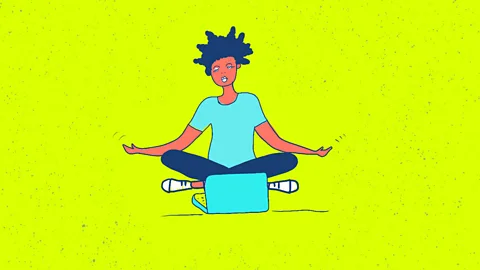 Piero Zagami and Michela Nicchiotti
By teaching your brain not to crave digital distractions, you can do your best and most creative work.
Today’s workers equate being busy with being productive; we treat the encroachment of work into our personal lives as a way of demonstrating our importance to our employer. That’s according to author and computer science professor Cal Newport. He sees this attitude as unhealthy. Instead, we should be building time into our week where we can perform 'deep work' and focus less on the numerous distractions around us.
The first step is to embrace boredom. Newport is an advocate of reducing your digital diet, the topic of his book Digital Minimalism. By returning to slower forms of entertainment like books, print journalism and radio, he says we can train ourselves to focus more deeply and tune out distractions.
The next step is to add these concentrated periods of focus to your working day. There is plenty of evidence that it takes a long time for our brains to refocus after a distraction; from a few minutes to more than 20, depending on the research. Newport says we need these periods of deep work to be our most creative. By training your brain not to crave the immediate, ephemeral rewards of digital distractions, you can do your best quality work.
This is one of the 101 indispensable things you need to know about work today. Click here to see the rest.
Image credit: Piero Zagami and Michela Nicchiotti.
