Zanele Muholi: Celebrating South Africa's black LGBTQIA+ community

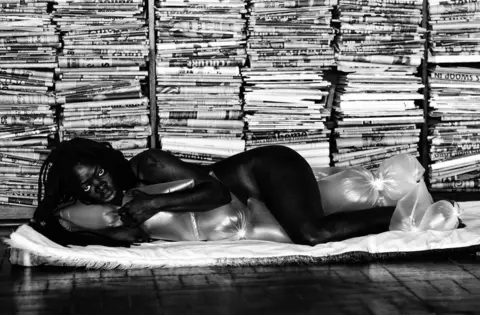 Zanele Muholi
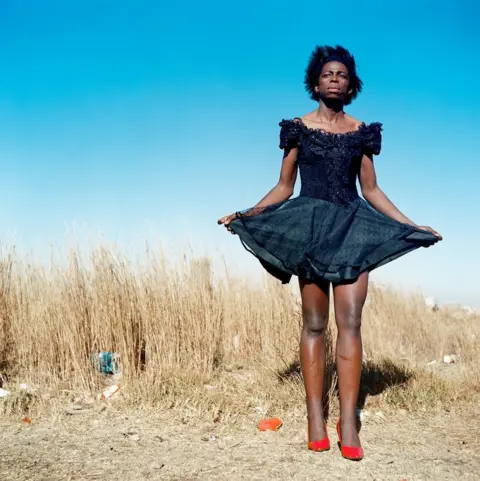
"I am re-writing a black, queer and trans visual history of South Africa for the world to know of our existence, resistance and persistence," says Zanele Muholi.
Delayed by coronavirus restrictions, the photographer's biggest exhibition yet finally opens at London's Tate Modern gallery on Wednesday.
"We've been ready since early November," Tate Senior Curator Yasufumi Nakamori tells the BBC, with excitement.
"As a middle-aged Japanese man, having access to Muholi's work transformed the way I see the world. These photographs are so arresting, beautiful and dynamic. But the lived experiences are equally important."
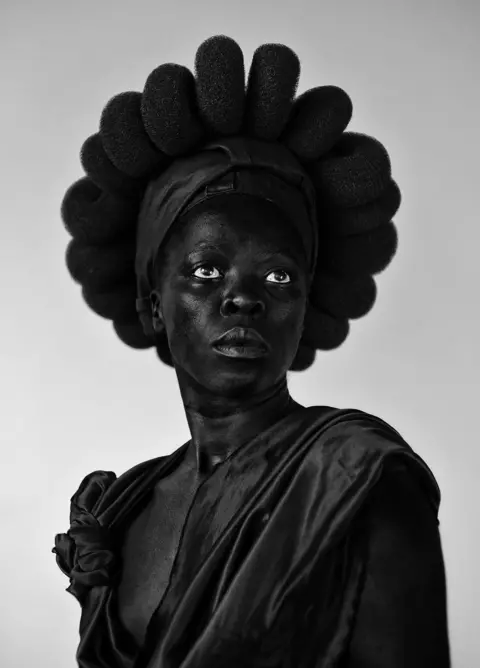 Zanele Muholi
Muholi, who is non-binary, describes their work as visual activism.
"I believe I cannot just use photography for fine art, it should go deeper," Muholi told the BBC previously. "We should use whatever method is there to speak on anything that is unjust that happens in our spaces."
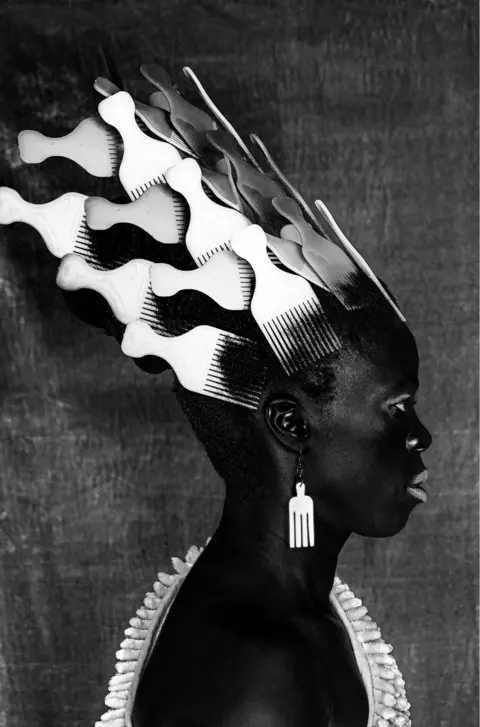 Zanele Muholi
Self-portraits in the Somnyama Ngonyama series which is Zulu for "Hail, the Dark Lioness" use props to signify the scrutiny, violence and marginalisation that black women have been subjected to in South Africa.
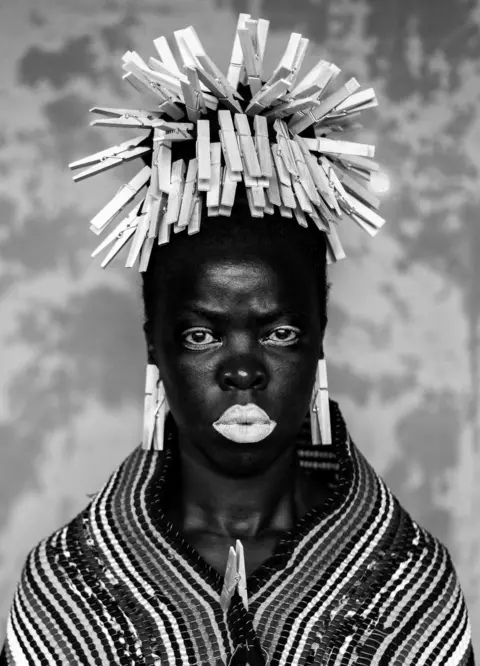 Zanele Muholi
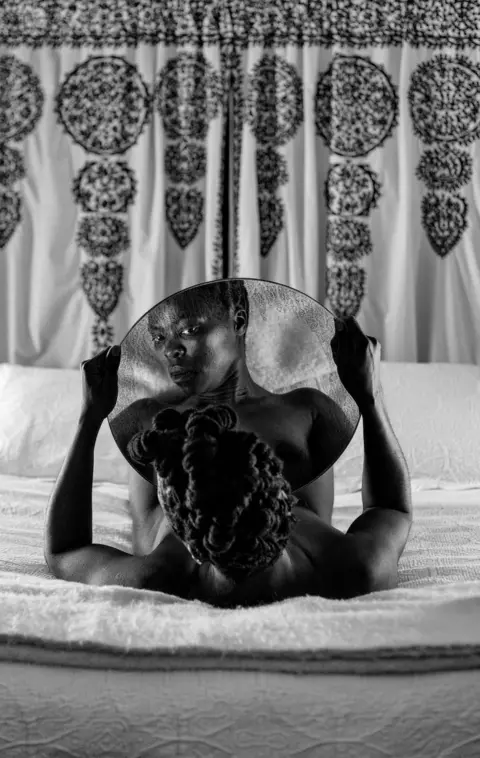 Zanele Muholi
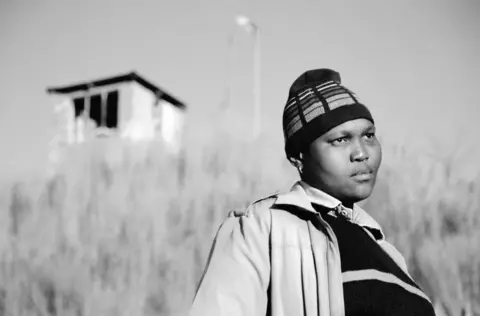
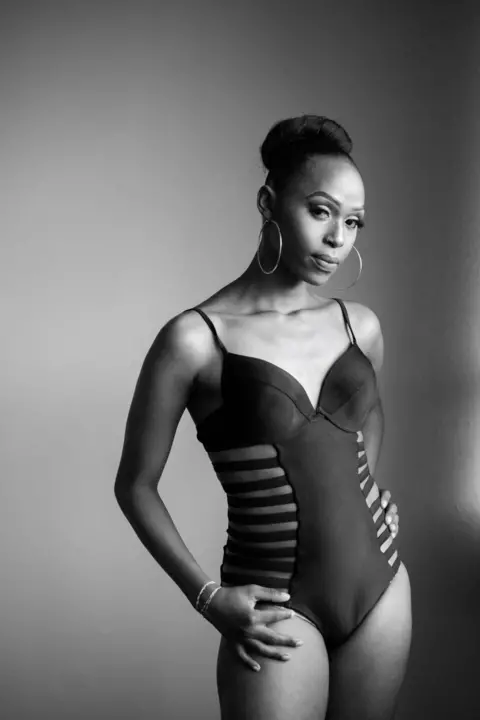
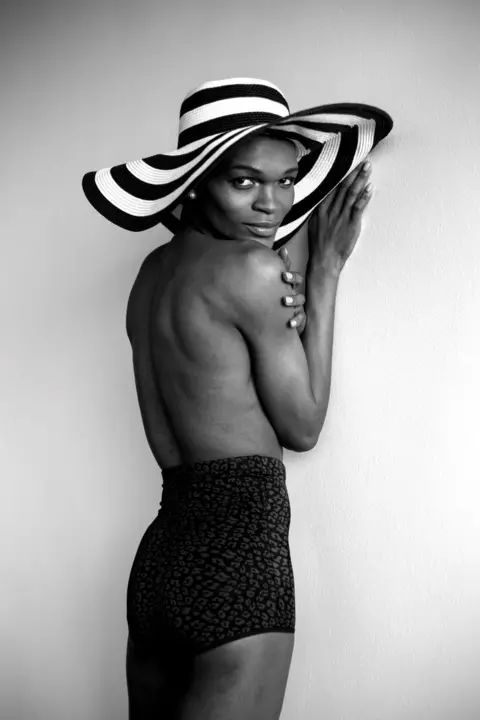
Muholi's portraits of other people are conceived in a spirit of collaboration. Many of the subjects fix you with their gaze, and offer their own written testimonies of defiance, joy and selfhood.
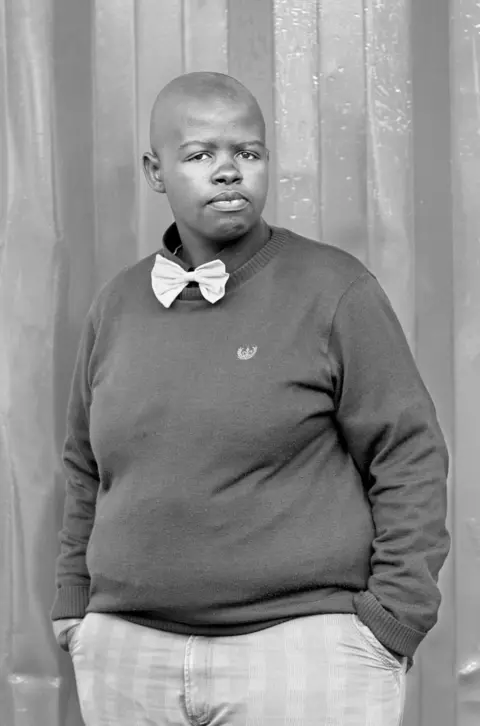 Zanele Muholi
 Zanele Muholi
The late poet and activist Busi Sigasa, who died at the age of 25, features in the exhibition alongside her poem Remember Me When I'm Gone.
"For I… Wrote stories for the nations to read, stood without fear and told my story. I smiled and greeted without judging, I influenced positive living to the sick. I planted seeds of hope to the hopeless," it begins.
Elsewhere, many of the photos evoke the importance of community.
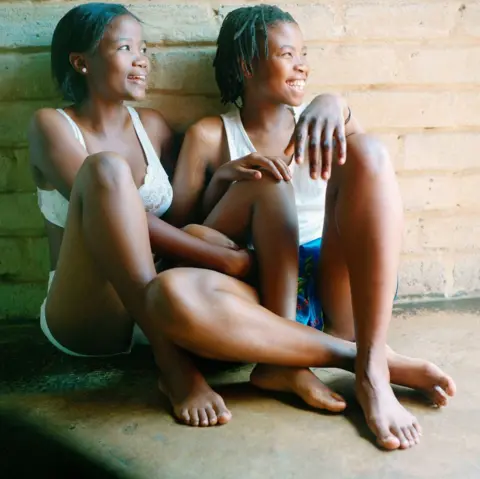 Zanele Muholi
 Zanele Muholi
"It's my institutional wish to bring the African diaspora audience in London to see Muholi's exhibition, as well as LGBTQIA+ people of colour," says curator Nakamori, "and 500 complimentary tickets are to be distributed by UK Black Pride."
 Zanele Muholi
 Zanele Muholi
Falling visitor numbers because of coronavirus restrictions have prompted the Tate galleries to cut more than 300 jobs, which unions say disproportionately affects workers who are lower-paid and of a black or minority ethnic background.
So how does this square with its stated commitment to inclusivity? Nakamori says the Tate has a race equality task force, and "takes this task of making a more equal space for workers, participants and audiences seriously.
"It's true that lower-paid employees who work in frontline, for example the restaurant, are more diverse than group of curators at the Tate but I think that's changing.
"We're fully aware that we need to change this white-European dominant culture in the institution."
