In pictures: New Unesco World Heritage Sites
Every year, natural and cultural landmarks from around the world are singled out for their "outstanding universal value" to humanity.
Unesco's World Heritage Committee has been meeting in Baku, Azerbaijan to decide which sites deserve special status and protection.
The 43rd session meets until Wednesday 10 July, but here are some additions made to their list so far.


Iceland's Vatnajökull National Park
 Getty Images
This volcanic region covers almost 14% of Iceland's overall territory.
The park is packed with vast glaciers and other stunning natural features, including lava fields and unique fauna.
French Austral Lands and Seas
 Getty Images
Described as an "oasis" in the middle of the Southern Ocean, the scattered islands have also been inscribed as an Unesco World Heritage Site.
They support some of the highest concentrations of birds and marine mammals in the world, including King Penguins.
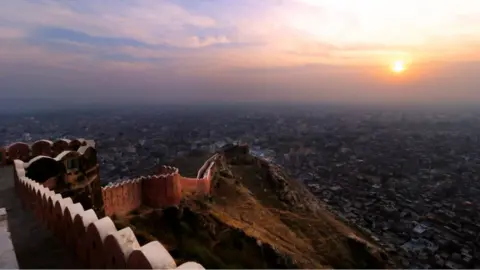
Jaipur City in India
 Getty Images
The fortified Indian city of Jaipur, in north-west Rajasthan, is known as the "pink city".
Many of its buildings date back to the city's founding in 1727 and are decorated with elaborate facades.
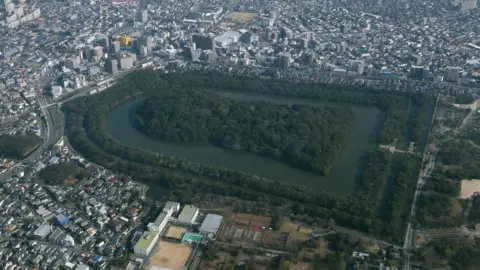
Mounded Tombs of Ancient Japan
 Getty Images
These are 49 ancient tombs, dating back from the 3rd to the 6th Century, in Japan's Osaka prefecture.
The mounds come in different shapes and sizes and include a large keyhole-shaped one named after Emperor Nintoku - the largest tomb in Japan.
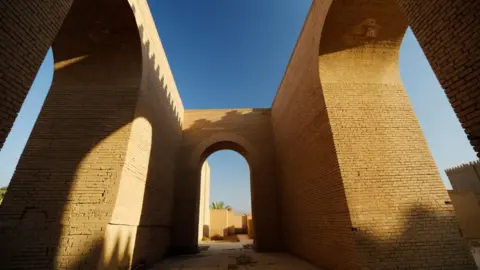
Babylon in Iraq
 Reuters
After decades of lobbying, the ancient Mesopotamian city of Babylon has also made Unesco's list.
The site had suffered due to Iraq's country's political instability, but has undergone recent restoration work.
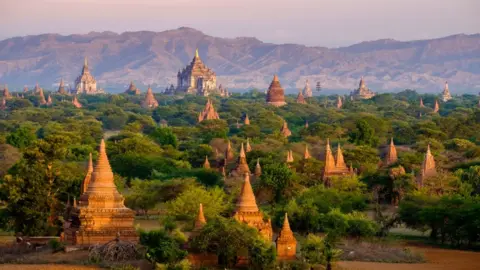
Bagan, Myanmar
 Getty Images
With thousands of Buddhist temples dotted across its picturesque landscape, the country's ancient capital is already a draw for tourists.
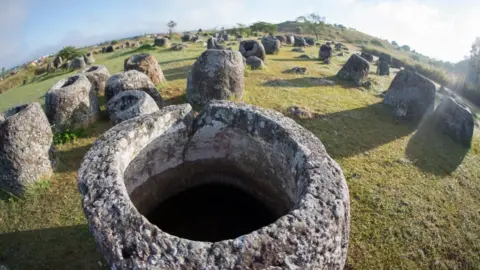
Plain of Jars, Laos
 Getty Images
Megalithic jar sites in Xiengkhouang, central Laos, have also been recognised.
Archaeologists believe the thousands of mysterious tubular-shaped stone jars date back to the Iron Age, when they were used in funeral practices.
All images copyright.
